
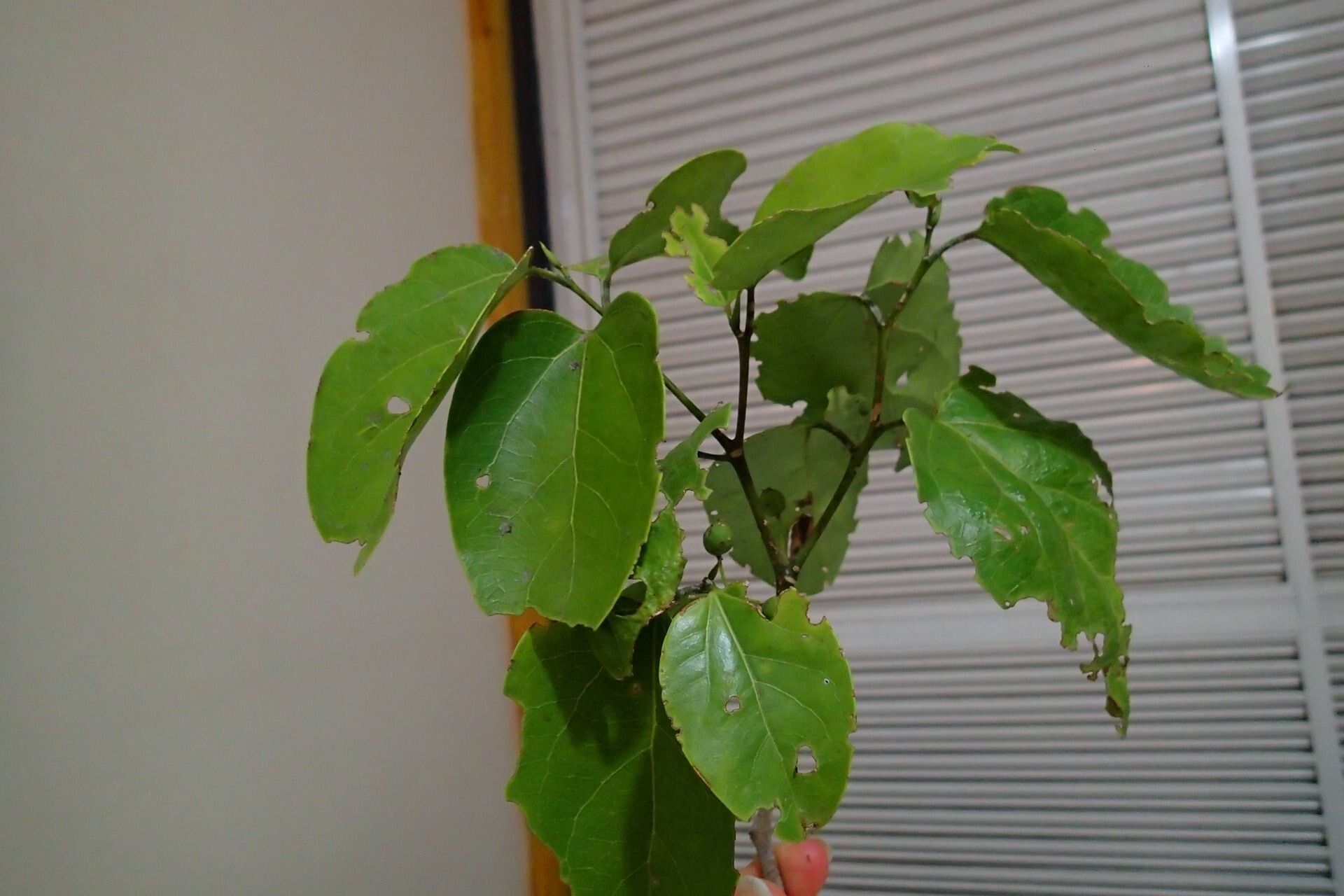
From Seed to Sapling: How to Propagate the Remarkable Celtis balansae
The Celtis balansae, also known as the Argentine Hackberry, is a captivating tree admired for its unique, textured bark and beautiful, heart-shaped leaves. If you’re lucky enough to have one in your garden, you might be wondering how to share its beauty with others or simply grow more! This blog post will guide you through the steps of propagating Celtis balansae, from collecting seeds to nurturing young saplings.
1. The Art of Seed Collection:
Autumn is the prime season for collecting Celtis balansae seeds. These small, round seeds are nestled within the fleshy, orange-red fruits. You can either gather the fruits directly from the tree or collect them from the ground after they’ve fallen. Once collected, gently remove the pulp surrounding the seeds. This pulp can inhibit germination, so it’s essential to clean the seeds thoroughly.
2. Prepare for Germination:
Seeds can be sown directly into the ground soon after collection. However, for better control and higher germination rates, it’s recommended to prepare the seeds for sowing. This involves a process known as scarification, where the outer seed coat is lightly scratched or nicked. This weakens the protective layer and allows water and oxygen to reach the embryo more easily. You can achieve this by gently rubbing the seeds with sandpaper.
3. Sowing Time:
The optimal time to sow Celtis balansae seeds varies depending on your climate. In warm regions, you can sow them directly in the ground during autumn. If your winter is harsh, it’s best to start them indoors during late winter or early spring. Use a seed tray filled with well-draining potting mix, sprinkle the cleaned and scarified seeds on the surface, and cover them lightly with soil. Keep the soil consistently moist and in a warm, sunny location.
4. From Seedling to Sapling:
Once the seedlings emerge, provide them with ample light and maintain consistent moisture levels. You can also offer a dilute fertilizer solution every few weeks. When the seedlings reach a manageable size, transplant them into larger pots or directly into their desired location in the garden.
5. A Different Approach: Cuttings:
While seed propagation is a common method, you can also propagate Celtis balansae through softwood cuttings. These are taken from new, actively growing shoots during late spring or early summer. Choose healthy shoots about 6-8 inches long and make a clean cut just below a node. Remove any leaves on the lower half of the cutting and dip the base into rooting hormone. Plant them in a well-draining mix and keep them humid and in a bright, indirect light location.
6. Patience and Care:
Successful propagation requires patience and consistent care. Keep the soil consistently moist, provide adequate light, and monitor for pests or diseases. With consistent care, your Celtis balansae seedlings will slowly reach maturity and eventually develop into beautiful, handsome trees.
Conclusion:
The Celtis balansae is a rewarding tree to propagate. Whether you choose the seed method or opt for cuttings, the process is relatively straightforward. By following these simple steps, you can add the beauty and resilience of this remarkable tree to your garden or share it with others. So, get your hands dirty and enjoy the journey from seed to sapling!