
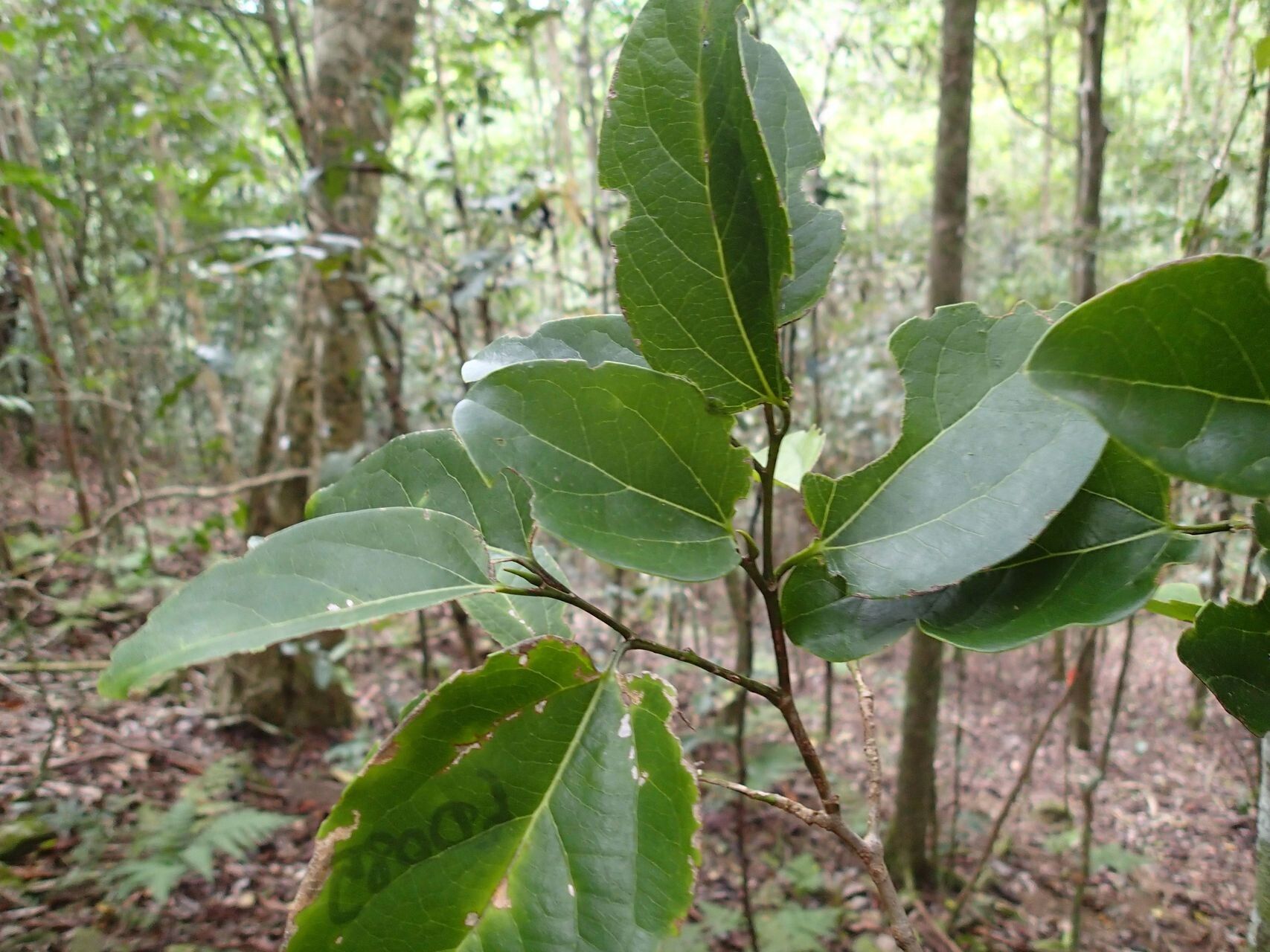
From Seed to Success: Propagating the Aussie Native, Celtis Conferta
If you’re looking to add a touch of Australian native beauty to your garden, consider the Celtis conferta, commonly known as the Native Quandong. This tough, drought-tolerant tree is a feast for the eyes and a magnet for local wildlife. But how do you bring one of these beauties into your own backyard? The answer lies in propagation, and we’re here to guide you through the process.
The Two Main Approaches:
You have two primary options when it comes to propagating Celtis conferta:
- From Seed: This method is simple and readily available. Seeds can be collected from ripe fruit in the late spring and summer months. However, this approach requires patience, as germination can take several months.
- Cuttings: For a faster route, consider taking cuttings from mature plants. This involves carefully removing sections of healthy stems and stimulating root growth.
Let’s Dive Into the Details:
1. Seed Propagation:
- Harvesting the Seeds: Begin by gathering the ripe fruit, which are fleshy and orange. Carefully remove the single seed from each fruit and wash it thoroughly to remove any remaining pulp.
- Preparation: The seeds need a period of pre-treatment to encourage germination. This can be accomplished by stratifying the seeds – exposing them to cold temperatures for several weeks. Place the seeds in a damp paper towel or potting mix and store them in a sealed container within your refrigerator.
- Sowing: After the stratification period, sow the seeds in a well-draining seed-raising mix. Keep the soil consistently moist, but not waterlogged. The seeds usually sprout within a couple of months.
- Transplanting: Once the seedlings have developed a few sets of true leaves, they’re ready to be transplanted into individual pots or directly into your garden. Ensure the chosen location receives plenty of sunlight.
2. Propagation From Cuttings:
- Timing is Key: The ideal time for taking cuttings is during the late autumn or early winter months.
- Choosing the Cuttings: Select healthy, semi-hardwood stems from a mature Celtis conferta plant. The cuttings should be approximately 10-15cm long. Make a clean, angled cut at the base of the cutting.
- Rooting Hormone: To boost root development, dip the cut end of the cutting into a rooting hormone powder or solution.
- Planting: Prepare a pot filled with a well-draining potting mix. Plant the cuttings into the mix, ensuring the cut end is buried around 5cm deep. Securely support the cuttings with a stick for stability.
- Care & Patience: Maintain a moist environment for the cuttings by covering the pot with a plastic bag or humidity dome. A warm and bright location, out of direct sunlight, is ideal. Patience is key; it can take several months for roots to develop.
Important Considerations:
- Sunlight: Celtis conferta thrives in full sun but can tolerate partial shade.
- Watering: While it’s drought-tolerant, regular watering is crucial in its early stages.
- Soil: The plant prefers well-draining soil, but it can adapt to various conditions.
- Fertilization: Once established, Celtis conferta generally doesn’t require additional fertilization.
Conclusion:
Propagating your own Celtis conferta is a rewarding experience that allows you to connect with nature and create a sustainable garden. Whether you choose the seed method or take a chance with cuttings, remember that patience is key. With a little care and the right environmental conditions, you’ll be able to enjoy the beauty of this native Australian gem in your garden for years to come.