
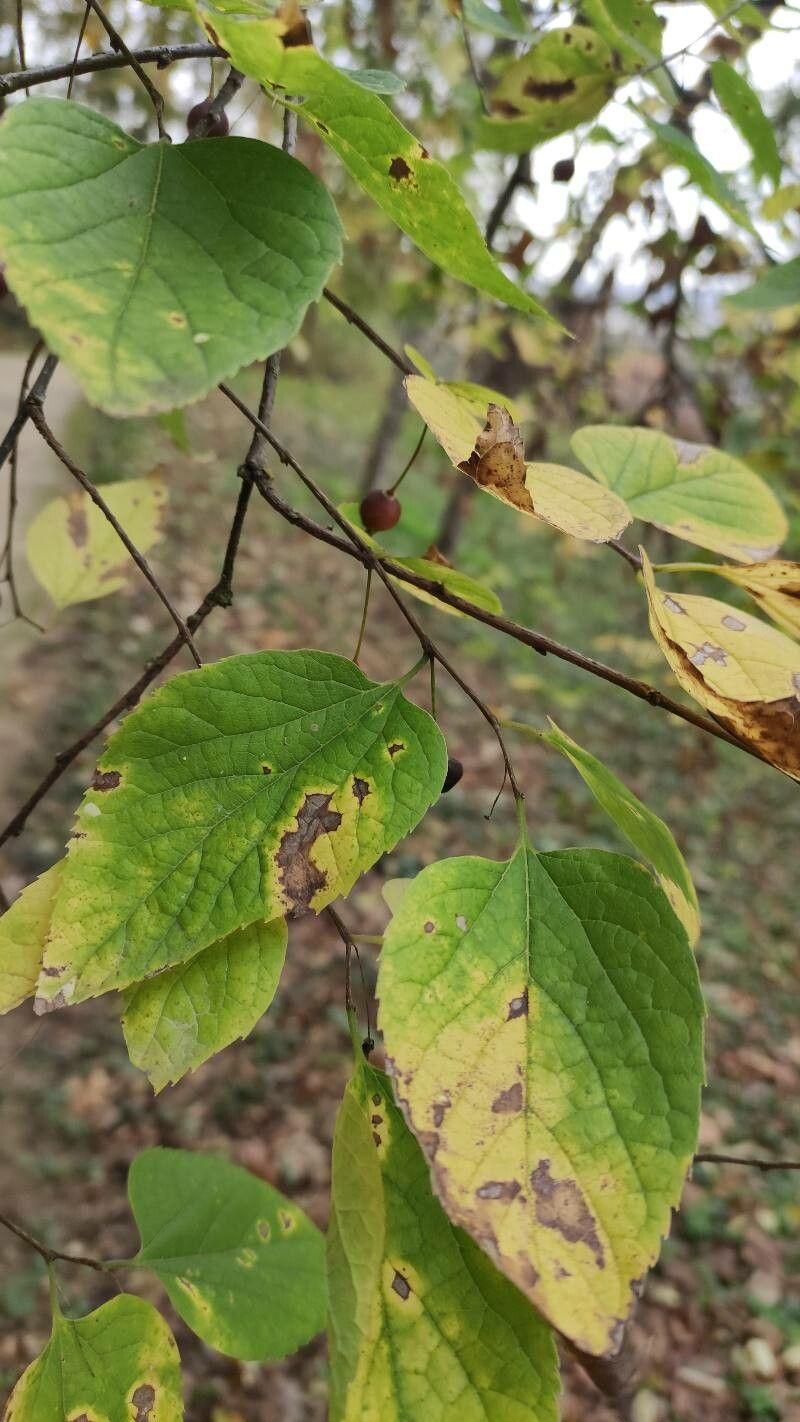
From Seed to Shade: Propagating the Hackberry Tree (Celtis jessoensis)
The hackberry tree, scientifically known as Celtis jessoensis, is a versatile and resilient tree that thrives in a variety of landscapes. Its unique, rough bark and fragrant fruit attract all sorts of wildlife, making it a valuable addition to any garden or natural area. But did you know you can easily propagate this magnificent tree yourself?
This blog post will guide you through the process of successfully propagating hackberry trees, allowing you to share this beautiful species with others or simply expand your own green space.
The Two Main Methods:
There are two primary ways to propagate hackberry trees: from seed and through cuttings. Let’s explore each method in detail.
1. The Seedling Journey:
Collecting the Seeds: The best time to collect hackberry seeds is in the fall when the berries turn a deep purple and begin to fall from the branches. Gather ripe berries and carefully remove the seeds. Rinse them thoroughly to remove any fleshy residue.
Stratification: Hackberry seeds require a period of cold stratification before they will germinate. This mimics the natural winter conditions they would experience in the wild. Place the seeds in a moist environment, such as a sealed plastic bag with damp vermiculite or peat moss, and store them in the refrigerator for 60-90 days.
- Planting Time: After stratification, the seeds are ready for planting. Choose a well-drained, sunny location and sow the seeds about half an inch deep in the soil. Keep the soil consistently moist until germination occurs, which typically happens in the spring.
2. The Cutting Method:
Cutting Technique: This approach is best undertaken in late summer or early fall. Take 6-8 inch cuttings from the new growth of a healthy hackberry tree. Cut just below a node (where leaves sprout) at a 45-degree angle.
Preparation: Remove the leaves from the bottom half of the cutting. Apply rooting hormone to the cut end of the cutting to encourage root development.
Planting & Care: Plant the cutting in a pot filled with a well-draining potting mix. Cover the pot with a clear plastic bag to create a humid environment. Keep the soil consistently moist and place the pot in a bright location, but out of direct sunlight.
- Time to Root: Hackberry cuttings usually take several weeks to root. Once roots appear, remove the plastic bag and continue to care for your new hackberry tree.
Important Considerations:
Plant Hardiness: Hackberry trees are relatively hardy and can tolerate a wide range of growing conditions. In colder climates, choose a location that provides protection from strong winds.
Disease and Pest Resistance: While generally resilient, hackberry trees can be susceptible to certain diseases and pests. Regularly inspect your trees for signs of trouble and take appropriate measures.
- Patience and Observation: Propagation, whether through seed or cuttings, requires patience. Be observant of your plant’s progress and adjust your care accordingly.
In Conclusion:
Propagating hackberry trees is a rewarding and fulfilling experience. Whether you choose the time-tested seed method or the more immediate cutting technique, this process will connect you with the natural world and bring you the joy of nurturing a living tree from its very beginnings. By sharing your knowledge and skills with others, you can help spread the beauty and benefits of the hackberry tree across landscapes near and far.