
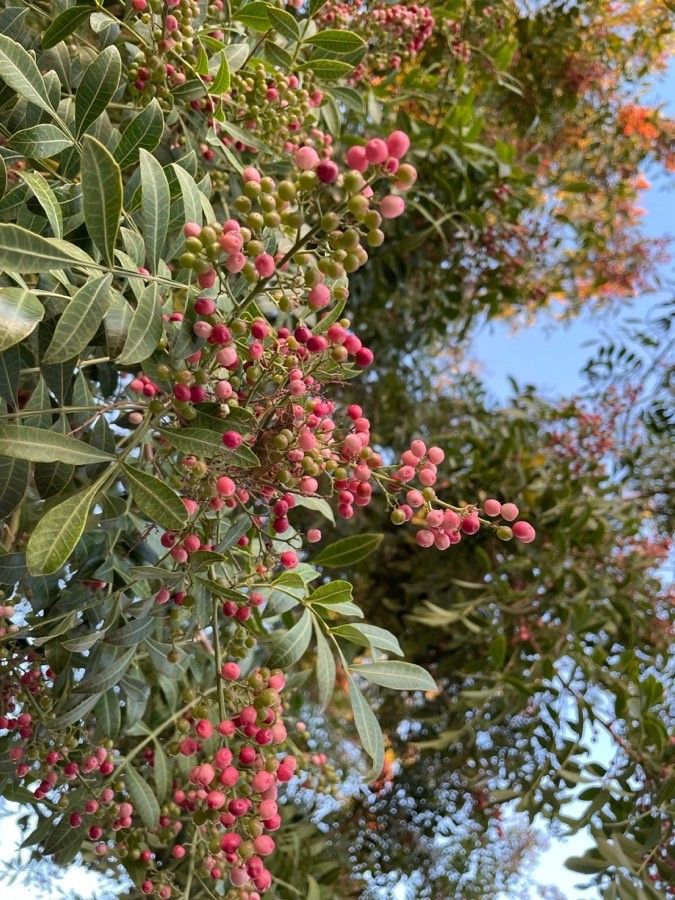
Unlock the Secrets of Growing More Celtis luzonica: A Guide to Propagation
Imagine a vibrant, full-grown tree gracing your garden, offering shade and beauty with its lush foliage and unique fruit. That’s the vision many gardeners have, and for those seeking the distinctive charm of the Celtis luzonica, also known as the Philippine Hackberry, propagation is the key.
This guide will delve into the fascinating world of propagating Celtis luzonica, offering insights into the methods that will help you bring new life to this remarkable tree.
The Allure of the Philippine Hackberry
Celtis luzonica boasts several qualities that make it a desirable addition to any landscape:
- Fast-Growing: It’s surprisingly quick to reach impressive heights, adding a touch of green to your yard in a relatively short time.
- Drought-Tolerant: Its hardy nature allows it to thrive even in slightly drier conditions, minimizing your watering efforts.
- Attractive Foliage: Its dark green leaves, with their distinctive serrated edges, add a touch of elegance and texture.
- Nourishing Fruit: The small, dark berries are a favorite for birds and other wildlife, providing a natural food source for local fauna.
Methods of Propagation: Finding the Right Fit
For those eager to cultivate their own Celtis luzonica, propagation offers a rewarding approach. Here are the two most common methods:
1. Seed Propagation:
- Collecting Seeds: Harvest the ripe berries from your existing tree or source them from a reputable nursery.
- Pre-Treatment: Remove the pulp surrounding the seed and allow it to dry slightly before planting. You can also consider cold-stratification, where seeds are kept in a cool and moist environment for a specified duration to mimic natural winter conditions.
- Sowing Seeds: Sow seeds directly in well-draining soil. Ensure the seeds are placed about ¼ inch deep and kept consistently moist.
- Patience is Key: Germination can take several weeks or even months.
2. Cuttings:
- Choosing Cuttings: In late spring or early summer, take softwood cuttings from healthy, new growth. Cuttings should be 4-6 inches long, with a few leaves at the top.
- Preparation: Remove the lower leaves and apply a rooting hormone to the cut end.
- Propagation Medium: Plant the cuttings in a well-draining medium like sand or perlite.
- Humidity and Light: Cover the cuttings with a plastic dome or bag to maintain high humidity and provide indirect sunlight.
Success Tips for Propagation:
- Optimal Environment: Provide a location with ample sunlight and well-drained soil.
- Water Consistently: Maintain consistent moisture, but avoid over-watering.
- Fertilize Regularly: Apply a balanced fertilizer to promote healthy growth.
- Protection: Shield young plants from harsh winds and pest infestation.
Beyond Propagation: Nurturing Your Philippine Hackberry
Once you’ve successfully propagated your Celtis luzonica, nurturing it into a thriving tree requires ongoing care. This includes:
- Regular Watering: Especially during the first year after planting.
- Pruning: Prune selectively to maintain shape and encourage healthy growth.
- Monitoring: Keep an eye out for pests and diseases and address them promptly.
With a bit of patience and dedication, you can cultivate your own Celtis luzonica and reap the rewards of its stunning beauty and ecological benefits. So, why not embark on your own propagation adventure today and add this unique and captivating tree to your garden?