
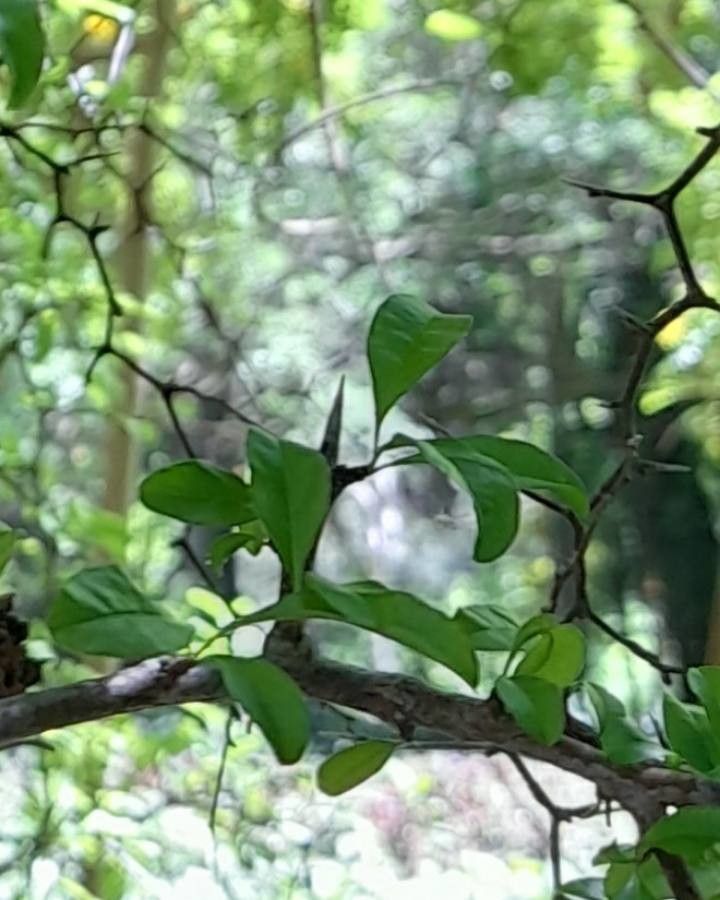
Propagating the Pale Hackberry (Celtis pallida): A Gardener’s Guide
Introduction
Celtis pallida, commonly known as the pale hackberry, is a drought-tolerant, small to medium-sized tree native to the southwestern United States and Mexico. Its attractive, silvery-green foliage, small berries attractive to birds, and adaptability to challenging conditions make it a popular choice among landscape professionals and home gardeners alike. However, propagating this species can present unique challenges. Its propagation methods aren’t as straightforward as some other trees, adding to the satisfaction of cultivating it successfully. This article explores various propagation techniques for Celtis pallida, analyzing their viability and practicality.
Seed Germination
Seed germination is a viable method for propagating Celtis pallida, but it presents several challenges. The hard seed coat inhibits germination, requiring a period of stratification – a process mimicking the natural winter conditions that break dormancy.
Challenges: Hard seed coat, slow germination rates, potential for fungal infections.
Practical Tips: Collect ripe fruit in late autumn. Extract the seeds and thoroughly clean them. Stratification can be achieved by either cold stratification (placing seeds in moist sand or vermiculite at 33-40°F (0.5-4°C) for 60-90 days) or warm stratification (soaking seeds in water for 24 hours followed by warm stratification at 70-75°F (21-24°C) for 30 days) before sowing. Sow seeds in well-draining seed-starting mix in containers or directly into the ground. Keep the soil consistently moist but not waterlogged. Germination can be slow, sometimes taking several months.
Rewards: Genetic diversity, potential for large-scale propagation, relatively inexpensive method.
Cuttings
Propagating Celtis pallida from cuttings is possible, but success rates vary considerably depending on the timing and technique employed.
Challenges: Relatively low rooting success rates, susceptibility to diseases, requires specific environmental conditions.
Practical Tips: Semi-hardwood cuttings taken in late summer or early autumn, utilizing rooting hormone, and maintaining high humidity via propagation chambers or covering with plastic bags is generally recommended. Select healthy, young stems with a diameter of approximately 1/4 inch. Dip the base of the cutting in rooting hormone and plant in a well-draining medium like perlite or a peat-based mix. Provide consistent warmth and humidity to encourage root development.
Rewards: Faster propagation than seed, preservation of desirable traits from parent plants.
Division
Division is not a practical method for propagating Celtis pallida. This tree typically develops a single, deep taproot, making division extremely difficult and damaging to the plant. There is no reliable method to propagate from division.
Tissue Culture
Tissue culture techniques can be used to propagate Celtis pallida, offering the potential for rapid and large-scale propagation with high success rates. However, this method requires specialized equipment, sterile conditions, and considerable technical expertise.
Challenges: Requires specialized facilities, technical expertise, high initial setup costs.
Practical Tips: Not readily accessible to home gardeners but may present opportunities for commercial growers, researchers, or arboreta interested in preserving genetic material.
Rewards: High success rates, disease-free plantlets, rapid multiplication.
Conclusion
Propagating Celtis pallida presents a unique set of challenges across different methods. While seed germination offers genetic diversity and potential for large-scale propagation, it requires patience and careful stratification. Cuttings offer faster propagation but present lower success rates. Tissue culture, though effective, requires specialized knowledge and resources. The rewards, however, are worth the effort. Successfully cultivating this drought-tolerant, attractive tree from seed, cutting or tissue culture provides a unique sense of accomplishment, showcasing the gardener’s skill and dedication. It’s a testament to the perseverance needed to nurture life from a small seed or cutting into a thriving specimen. Aspiring propagators should carefully consider their resources and technical expertise before selecting a method. Patience and attention to detail are crucial for success in any chosen approach.