
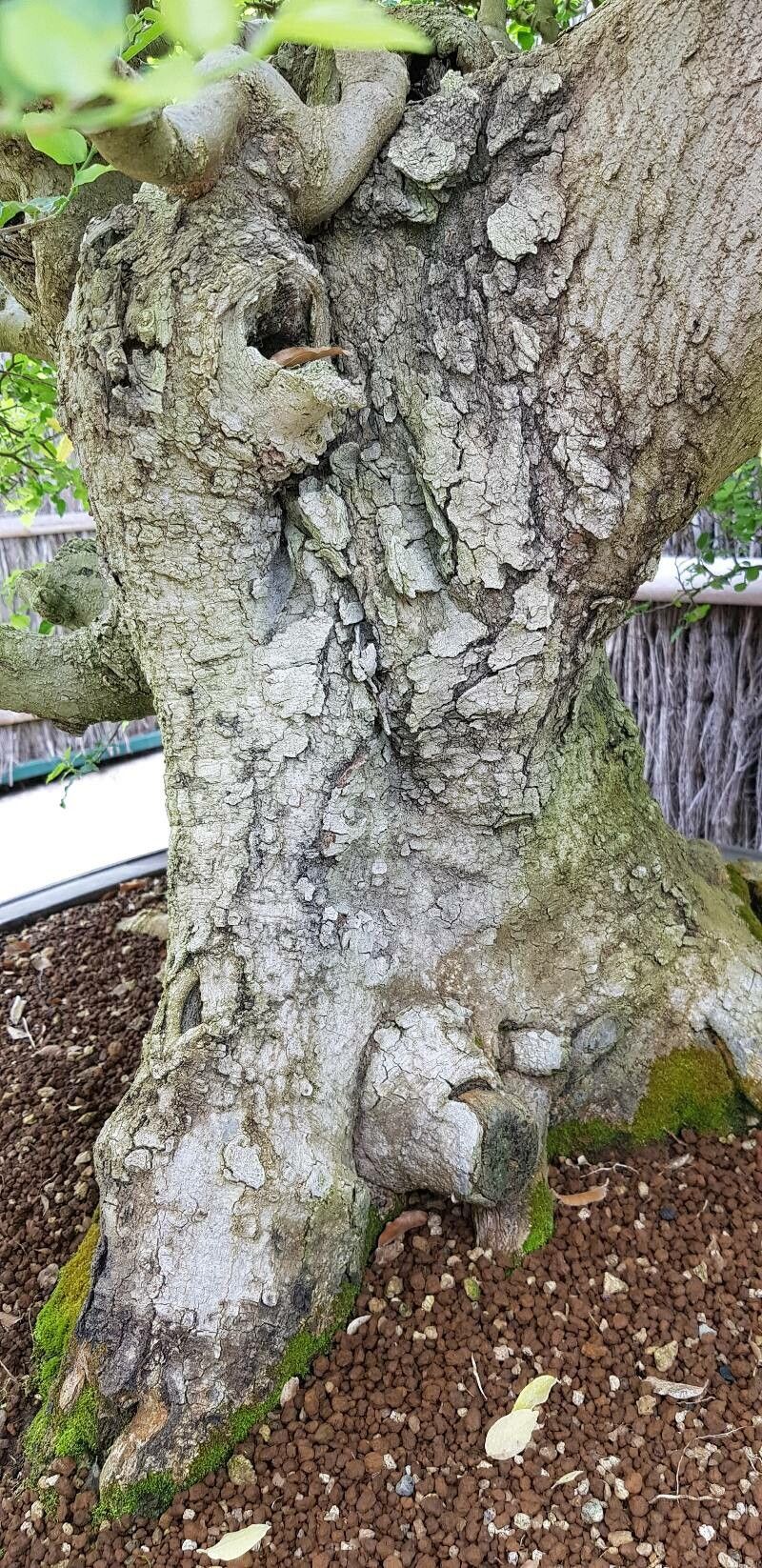
Bringing Life to the Ancient: Propagating the Chinese Hackberry (Celtis sinensis)
The Chinese Hackberry (Celtis sinensis) stands as a testament to resilience, gracefully adorned with its unique, textured bark and sweet, edible fruits. This fascinating tree, native to East Asia, is an increasingly popular choice for gardens and landscaping projects. But where does one get their hands on this charming tree? The answer lies in the art of propagation.
Unlocking the Secrets of Propagation
Propagation, the process of creating new plants from existing ones, is achievable for the Chinese Hackberry through two primary methods:
1. Seed Propagation:
- Gather Seeds: Collect ripe berries from a mature Chinese Hackberry tree. These small, drupe-like fruits contain a single seed.
- Clean and Prepare: Clean the seeds by removing any leftover fruit pulp. Allow them to dry partially for a few days.
- Stratification: To break seed dormancy, cold stratification is necessary. Place the seeds in moist vermiculite or sphagnum moss in a sealed container and store in a refrigerator (between 33°F and 39°F) for 60-90 days.
- Sowing: After stratification, sow the seeds in a well-draining seed starting mix. Keep the soil consistently moist and warm (around 70°F). They require light for germination, so sow them shallowly.
- Patience is Key: Expect germination to occur anywhere from a few weeks to several months. Once seedlings emerge, provide them with ample sunlight and regular watering.
2. Cuttings:
- Timing is Everything: The ideal time to take cuttings is during the late spring or early summer when the Chinese Hackberry is actively growing.
- Cut Selection: Choose healthy, semi-hardwood stems from the current year’s growth. Cut them into sections about 4-6 inches long, ensuring each cutting has at least two or three nodes (leaf joints).
- Preparation and Rooting: Remove the leaves from the bottom 1-2 inches of the cutting. Dip the base in rooting hormone and plant it in a rooting mix consisting of perlite and sand. Ensure proper drainage and keep the mix consistently moist.
- Encouragement: Cover the cutting with a plastic dome or humidity dome to maintain moisture and warm temperatures.
- Patience Pays Off: Rooting can take several weeks. Regular checks for signs of growth are key to ensure success.
Tips for Success
- Choose the Right Location: Chinese Hackberries thrive in full sun to partial shade and prefer well-draining soil with a slightly acidic pH.
- Water Wisely: Ensure consistent moisture, especially during the first year after planting. Once established, these trees are relatively drought-tolerant.
- Protect from Pests: Watch out for pests such as aphids and scale insects.
Embracing the Growth
Propagating the Chinese Hackberry is a rewarding experience that allows you to bring the beauty and resilience of this unique tree into your own garden. Whether you choose to start with seeds or cuttings, patience and a little TLC will ensure your efforts yield fruitful results, literally, as you enjoy the sweet taste of ripe fruits from your newly-grown tree.