
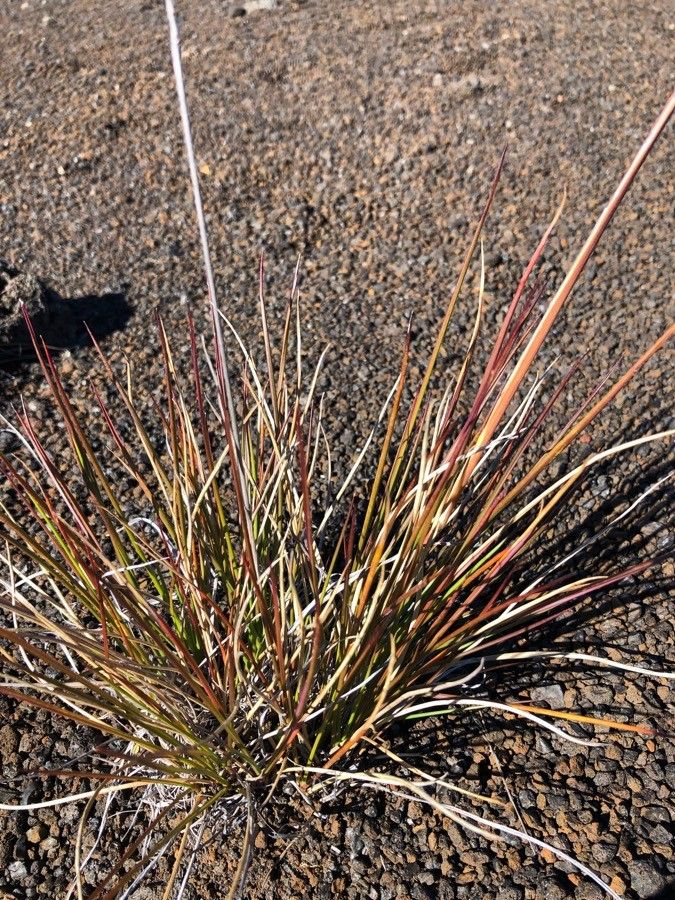
Taming the Wild Wind: Propagating Buffelgrass (Cenchrus ciliaris)
Buffelgrass (Cenchrus ciliaris, formerly known as Cenchrus cafer), with its distinctive fluffy seed heads, might look unassuming, but this hardy grass has a story to tell. Native to Africa, Asia, and the Middle East, it has been introduced around the world, proving itself a survivor in arid and semi-arid regions. While its resilience has earned it a controversial reputation in some areas, understanding how to propagate buffelgrass can be valuable for those seeking a drought-tolerant groundcover or forage option.
Seed Starting: Embracing the Wind’s Strategy
Buffelgrass is a master of propagation through seeds, employing the wind as its primary distributor. Mimicking this natural process is the easiest way to multiply your own stand.
- Seed Collection: The fluffy seed heads are your bounty! Collect them when they are dry and easily detach from the plant, typically in late summer or fall.
- Seed Preparation: Gently break apart the seed heads to release the tiny, often hairy seeds. No need for complex treatments – these seeds are ready to go!
- Sowing: Scatter the seeds directly onto prepared soil in either spring or fall. Choose a sunny location with well-drained soil. Lightly rake them in, ensuring they have good contact with the soil but aren’t buried too deep.
- Watering: While drought-tolerant once established, the initial germination stage requires consistent moisture. Water gently and avoid overwatering, which can lead to fungal issues.
Division: Sharing the Bounty
For a quicker establishment, division offers a viable alternative, especially for established clumps.
- Timing is Key: Divide buffelgrass in early spring, just as new growth emerges.
- Digging Deep: Carefully dig around the clump you wish to divide, ensuring you capture a good portion of the root system.
- Separating with Care: Using a sharp, clean tool, divide the clump into smaller sections, each with a healthy portion of roots and shoots.
- Replanting: Re-plant these divisions in their desired locations, ensuring the crown of the plant is level with the soil surface. Water thoroughly.
A Note of Caution:
While buffelgrass exhibits numerous beneficial traits, it’s crucial to be aware of its invasive potential. In certain regions, particularly with different climates than its native habitat, buffelgrass can outcompete native vegetation. Before planting, consult local resources and authorities to determine its suitability and any regulations regarding its cultivation.
Taming the Wild:
Successfully propagating buffelgrass offers a glimpse into the resilient nature of this adaptable grass. Whether you’re a seasoned gardener or a curious beginner, understanding its growth habits allows for responsible cultivation and appreciation of this unique species. Remember to research its impact on your local environment and enjoy the process of watching this tenacious grass thrive!