
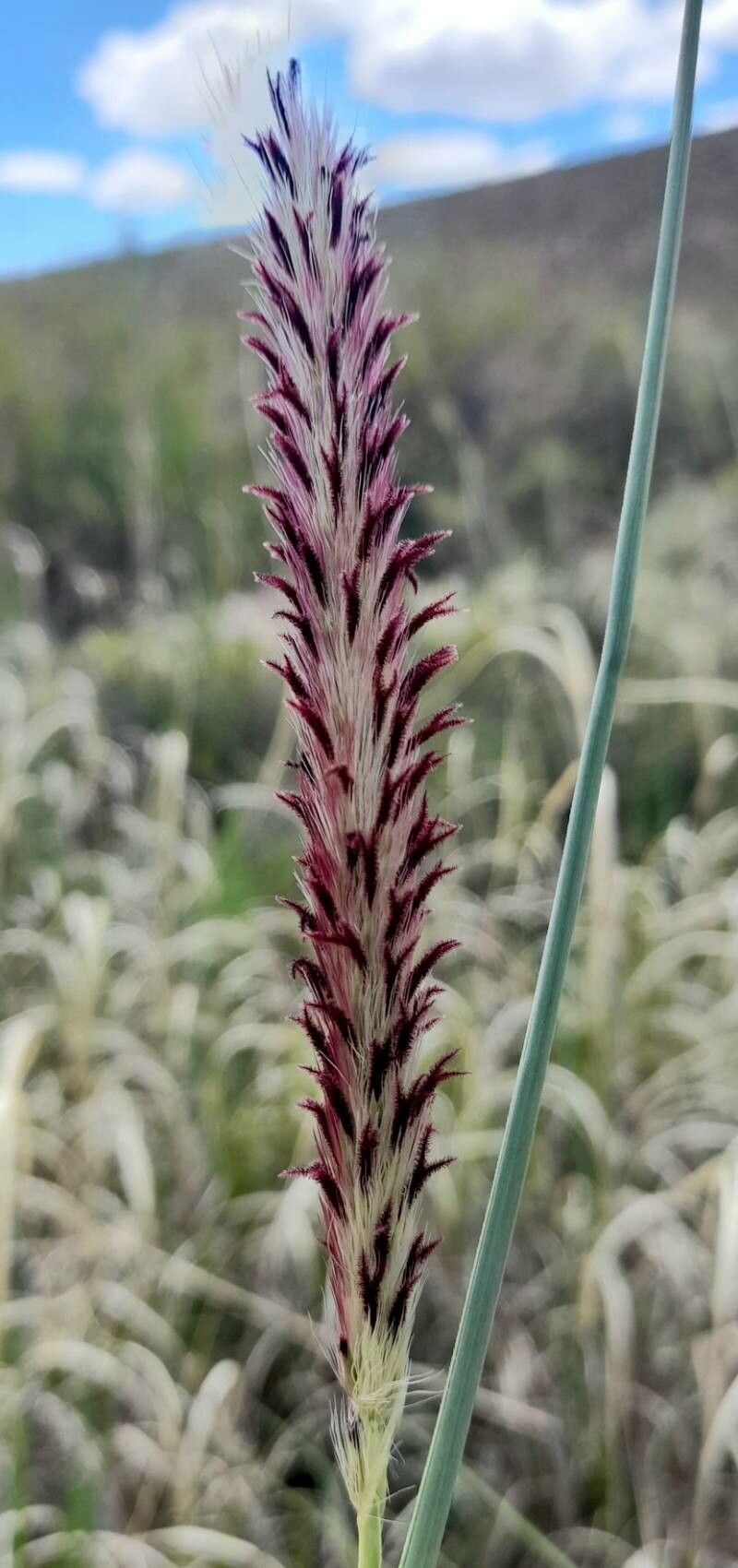
Taming the Tufted Grass: Propagating Chilean Foxtail (Cenchrus chilensis)
Chilean foxtail, known scientifically as Cenchrus chilensis, might not be a household name yet, but this versatile grass deserves attention for its hardiness and unique beauty. Native to South America, this tufted perennial boasts attractive blue-green foliage and distinctive, spiky seed heads. Whether you’re interested in drought-tolerant landscaping or adding textural intrigue to your garden, learning to propagate Cenchrus chilensis opens up a world of possibilities.
Two Paths to Propagation: Seeds vs. Division
1. Starting from Seed:
Propagating Cenchrus chilensis from seed is a rewarding, albeit slightly more time-consuming, method. Here’s how to do it:
- Seed Collection: Collect mature seed heads from an established plant. Look for seeds that are easily shed from the spiky structures.
- Seed Preparation: Gently remove any debris or chaff from the seeds.
- Sowing: Sow seeds in a well-draining seed starting mix, barely covering them with soil.
- Conditions: Provide warmth (around 70°F or 21°C) and consistent moisture.
- Germination: Be patient! Germination can take anywhere from 2 weeks to a few months.
- Transplanting: Once seedlings have several sets of true leaves, transplant them into individual pots or directly into the garden.
2. The Division Route:
For a quicker and more established start, division is the way to go:
- Timing is Key: Divide established clumps in early spring when new growth appears.
- Digging Up: Carefully dig up the entire clump, ensuring you get most of the root system.
- Divide and Conquer: Using a sharp, clean knife or garden shears, divide the clump into smaller sections, each with a good amount of roots and shoots.
- Replanting: Replant the divisions immediately at the same depth they were originally growing. Water thoroughly.
Caring for Your New Propagations:
- Sun Seeker: Cenchrus chilensis thrives in full sun to partial shade.
- Well-Drained Soil: This grass hates “wet feet.” Opt for sandy or loamy soil with excellent drainage.
- Water Wisely: Once established, this species is relatively drought-tolerant. Water deeply but infrequently, allowing the soil to dry out between waterings.
- Fertilize Sparingly: Cenchrus chilensis isn’t a heavy feeder. A light application of a balanced fertilizer in spring is usually sufficient.
Reaping the Rewards:
Successfully propagating your own Cenchrus chilensis offers numerous benefits:
- Budget-Friendly Beauty: Starting from seed or division is significantly more cost-effective than purchasing mature plants.
- A Sense of Accomplishment: Witnessing your propagations thrive brings a unique sense of satisfaction.
- Sharing the Bounty: Share divisions or collected seeds with friends and fellow gardeners to spread the love for this remarkable grass.
Whether you choose to begin your journey with Cenchrus chilensis through seeds or division, the key is to be patient and provide the basic care it requires. Soon, you’ll be rewarded with a stunning display of this resilient and eye-catching grass.