
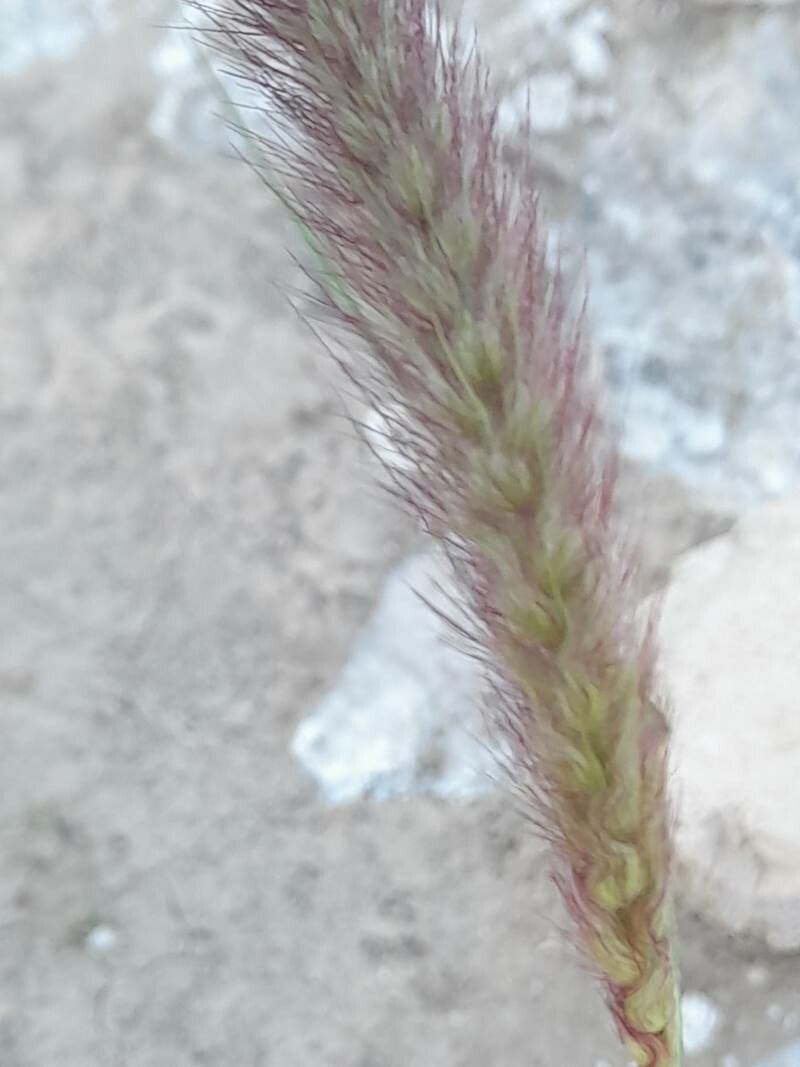
Conquering the Sands: Propagating Sandbur (Cenchrus flaccidus)
Sandbur, that prickly nuisance that seems to delight in sticking to your shoes and clothes, might be a gardener’s nightmare, but it’s a resilient survivor in the world of plants. While you might not want to invite it into your garden intentionally, understanding how sandbur propagates can help you control it or, surprisingly, even use it to your advantage.
A Tale of Two Seeds:
Sandbur, scientifically known as Cenchrus flaccidus, relies on two primary forms of propagation: seeds and rhizomes.
- Seed Power: Sandbur produces an abundance of prickly seeds encased in spiny burs, which are the bane of many a pet owner and barefoot walker. These burs readily cling to animal fur, clothing, and even tires, enabling the plant to disperse its seeds far and wide.
- Rhizome Roots: Sandbur also utilizes rhizomes, underground stems that extend horizontally and sprout new plants from their nodes. This horizontal growth pattern explains why sandbur can form dense, impenetrable patches within a short period.
The Secrets to Sandbur Success:
Sandbur’s success as a colonizer comes down to several key factors:
- Abundant Seed Production: Each plant generates numerous seeds, ensuring a high chance of survival.
- Robust Seed Dispersal: The bur’s barbed structure allows it to hitchhike on passing animals and vehicles, spreading the seeds across vast distances.
- Resilience and Adaptability: Sandbur thrives in diverse conditions, from dry grasslands to disturbed areas, making it a stubborn adversary in many landscapes.
- Rapid Growth: Its rhizomes facilitate rapid colonization, allowing it to quickly take over suitable habitats.
Harnessing the Power of Propagation:
While sandbur can be a nuisance, its resilience and fast growth make it useful for some purposes.
- Erosion Control: In areas prone to erosion, sandbur’s extensive root system can act as a natural anchor, stabilizing soil and preventing erosion.
- Biodiversity Support: Sandbur provides food and habitat for certain wildlife species, including birds and small mammals, contributing to biodiversity in some ecosystems.
- Forage for Livestock: Although not ideal, sandbur can serve as a source of forage for livestock in certain regions, particularly in times of shortage.
Controlling Sandbur’s Spread:
If you’re battling sandbur in your yard, here are some effective management strategies:
- Hand Removal: Pulling out the plants as soon as they emerge is a time-consuming but effective method, especially for small infestations.
- Mowing: Regular mowing before the plant goes to seed can curtail its seed production.
- Herbicides: Specific herbicides can target sandbur, but always consult with a professional before using them to ensure you choose the right product and apply it safely.
- Preventing its Spread: Cleaning your shoes and clothes after visiting areas with sandbur can prevent inadvertent seed dispersal.
Understanding the intricacies of sandbur’s propagation is a key step towards managing this resilient plant. From recognizing its powerful seed dispersal mechanisms to harnessing its positive attributes in specific situations, gaining knowledge about sandbur allows us to navigate its presence effectively. Remember, while sandbur may be a pest in some contexts, it also plays an important role in certain ecosystems, reminding us of the balance and complexity of the natural world.