
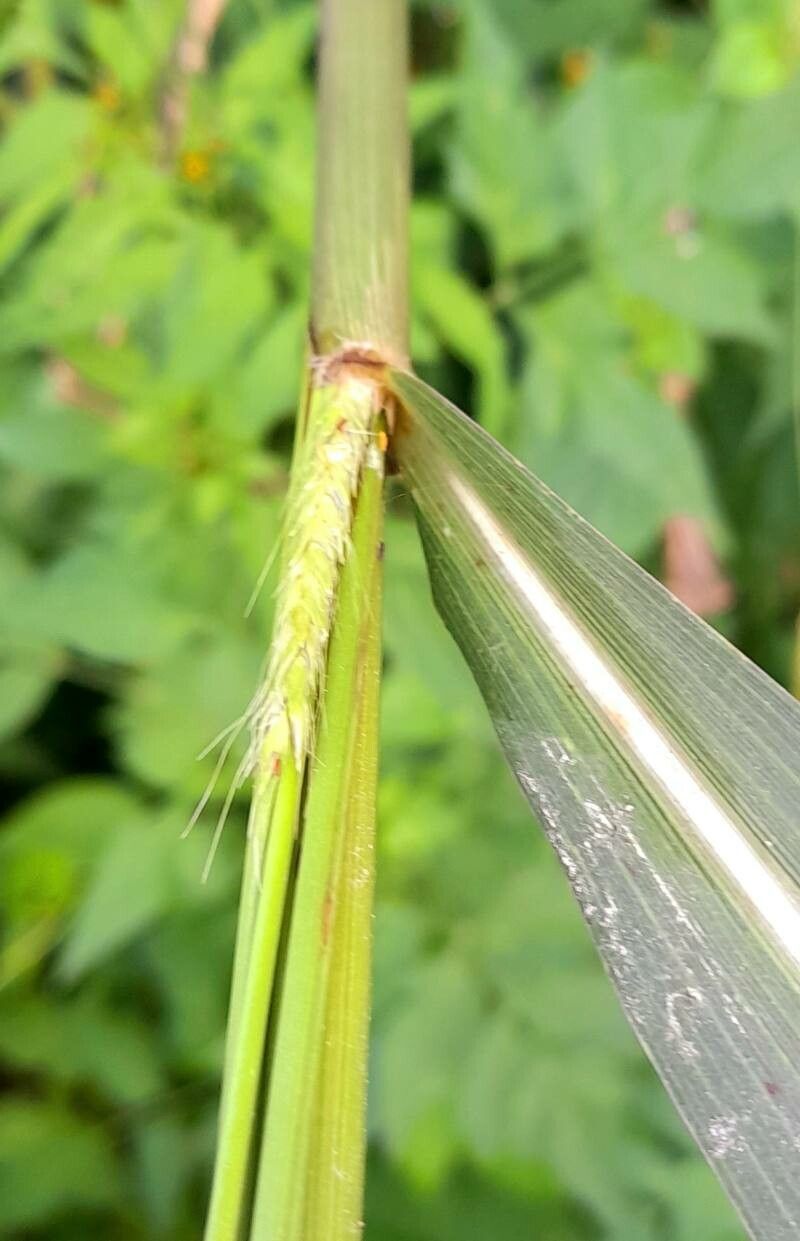
Conquering the Wild: Propagating the Robust Cenchrus Latifolius
Cenchrus latifolius, often called “buffelgrass” or “wideleaf buffelgrass,” is a resilient and fast-growing grass species found in a variety of environments. It’s a popular choice for pastures, hay production, and even erosion control. But did you know you can easily propagate this hardy plant yourself?
In this blog post, we’ll dive into the fascinating world of Cenchrus latifolius propagation, exploring the different methods and providing practical tips for success.
The Power of Seeds:
Cenchrus latifolius is primarily propagated through seeds, offering a simple and cost-effective way to establish a new stand. The seeds are readily available commercially, or you can collect them yourself from mature plants in late summer or early fall. The key to successful seed propagation lies in proper soil preparation and sowing techniques:
- Prepare the soil: Buffelgrass thrives in well-drained soil with a pH range of 6.0 – 7.5. Before sowing, ensure the soil is loose and free of debris.
- Direct sowing: The most common method is direct sowing, done during the warm months. Sow seeds at a depth of 1/4 to 1/2 inch.
- Spacing: Maintain a spacing of 2-3 inches between seeds to allow for proper growth and development.
- Watering: Provide consistent moisture to the seeds until germination, which typically takes 7-14 days.
Vegetative Propagation: A Powerful Alternative
Cenchrus latifolius can also be propagated vegetatively through division, stolons, or cuttings. This method offers a faster way to establish new plants and allows you to retain the genetic characteristics of the parent plant.
- Division: Carefully divide established clumps of buffelgrass in early spring or late fall, ensuring each division has healthy roots and shoots.
- Stolons: Stolons are horizontal stems that grow along the surface of the ground, producing new plants at their nodes. Use a sharp knife to separate stolons with attached roots and replant them.
- Cuttings: Take 6-8 inch cuttings from healthy stems and remove the lower leaves. Dip the cut ends in rooting hormone and plant them in a moist, well-draining medium.
Tips for Successful Propagation:
- Timing is key: The ideal time for propagation is during the warmer months when temperatures are consistently above 60°F.
- Well-drained soil: Buffelgrass prefers well-drained soil to prevent root rot.
- Regular watering: Provide consistent moisture to your newly propagated plants, particularly during the initial stages of growth.
- Fertilization: Use a balanced fertilizer to encourage healthy growth.
- Weed control: Keep the planting area free of weeds to reduce competition for nutrients and water.
Cenchrus latifolius: A Versatile Grass for a Variety of Uses
Whether you choose to propagate through seeds or vegetative methods, Cenchrus latifolius offers a reliable and fast-growing solution for a range of needs. Its hardiness, adaptability, and resilience contribute to its popularity in various settings.
Now that you understand the basics of propagating this versatile grass, you can confidently embark on your own green endeavors and experience the rewarding process of growing a productive and beautiful stand of Cenchrus latifolius.