
Unlocking the Secrets of Stemless Knapweed: A Propagation Guide
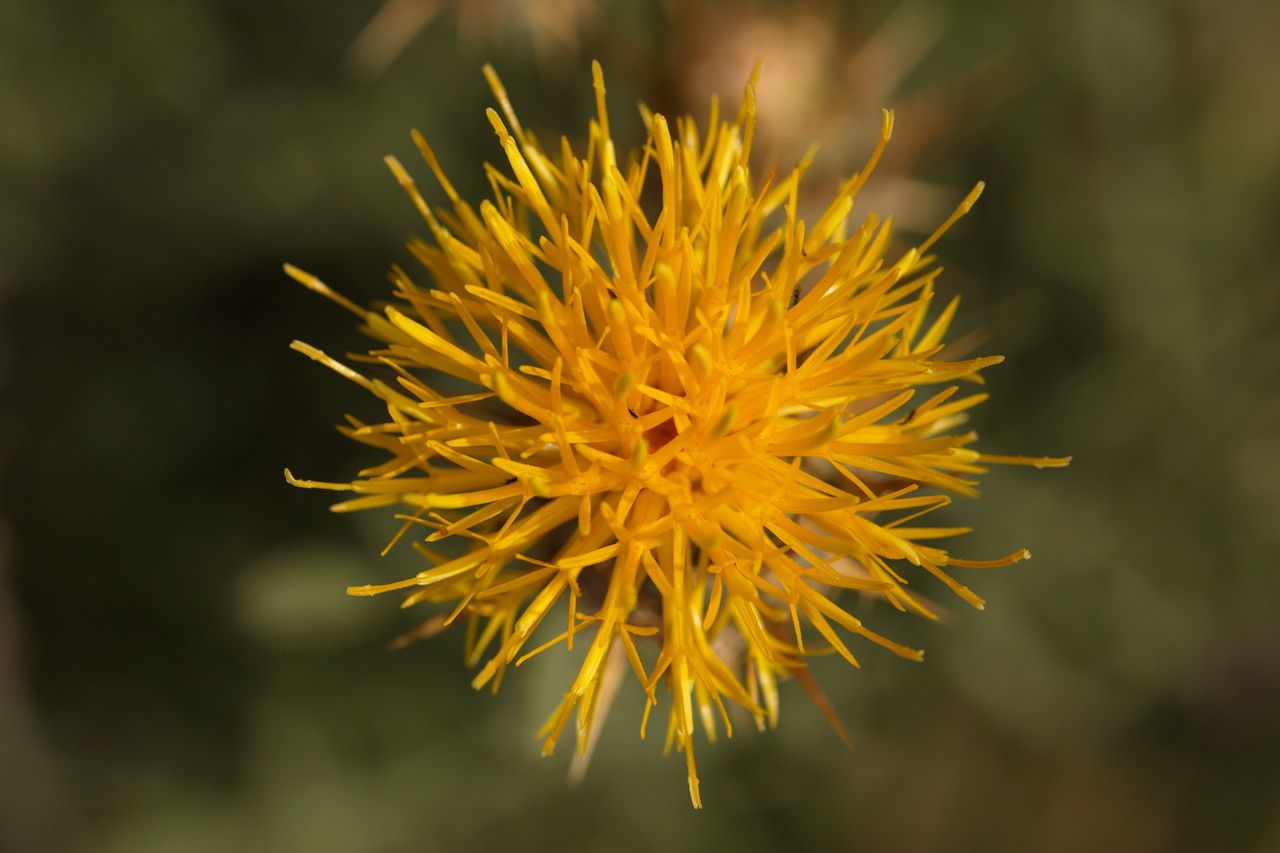
The Stemless Knapweed (Centaurea acaulis), with its charming thistle-like blooms and captivating silver foliage, is a welcome addition to any rock garden or drought-tolerant landscape. But propagating this stunning plant can seem like a botanical mystery to even seasoned gardeners. Fear not, fellow plant enthusiasts, for we’re about to unlock the secrets of multiplying your Stemless Knapweed and spreading its beauty far and wide!
Two Paths to Propagation Paradise
While Stemless Knapweed can be a bit fussy about propagation, two methods offer the best chances of success:
1. Seed Sowing: A Test of Patience
- Timing is Everything: Aim to sow your Stemless Knapweed seeds in early spring, just after the last frost. This timing allows for a full growing season before winter sets in.
- Sowing Surface, Not Submerged: Gently press the seeds onto the surface of a well-draining seed starting mix. These seeds need light to germinate, so burying them deep is a no-go.
- Patience, Young Padawan: Germination can be slow and sporadic, taking anywhere from a few weeks to a couple of months. Keep the soil consistently moist but not waterlogged.
- Transplanting Triumph: Once your seedlings have developed a few sets of true leaves, they’re ready for their permanent home in the garden.
2. Basal Cuttings: A Faster Route to Success
For a speedier approach and to maintain the characteristics of a specific plant, basal cuttings are your best bet:
- Timing is Key: Take cuttings in the spring when the plant is actively growing.
- Sharp and Sterile: Use a clean, sharp knife or pair of pruning shears to take cuttings about 3-4 inches long from the base of the plant. Be sure to get a piece of the heel (where the stem meets the root).
- Hormone Boost (Optional): While not strictly necessary, dipping the cut end in rooting hormone can increase your chances of success.
- Planting the Cuttings: Insert each cutting into a small pot filled with a well-draining potting mix.
- Creating a Humid Environment: Cover the pot with a plastic bag or humidity dome to create a warm, moist environment. This helps to prevent the cutting from drying out.
- Rooting and Beyond: After a few weeks, gently tug on the cutting. If you feel resistance, roots have formed! You can then gradually acclimate your new plant to outdoor conditions before transplanting it to the garden.
Tips for Propagation Success:
- Well-Drained Soil is a Must: Stemless Knapweed thrives in well-drained soil. Soggy conditions will lead to root rot and the demise of your propagation efforts.
- Sunshine is Your Friend: These sun-loving plants need at least 6 hours of direct sunlight per day to thrive.
- Water Wisely: While drought-tolerant once established, Stemless Knapweed benefits from regular watering during its first growing season.
Embrace the Challenge!
Propagating Stemless Knapweed might require a dash of patience and a sprinkle of know-how, but the reward of watching your very own plants flourish is well worth the effort. So, go forth, intrepid gardeners, and may your propagation endeavors be filled with beautiful blooms and vibrant foliage!