
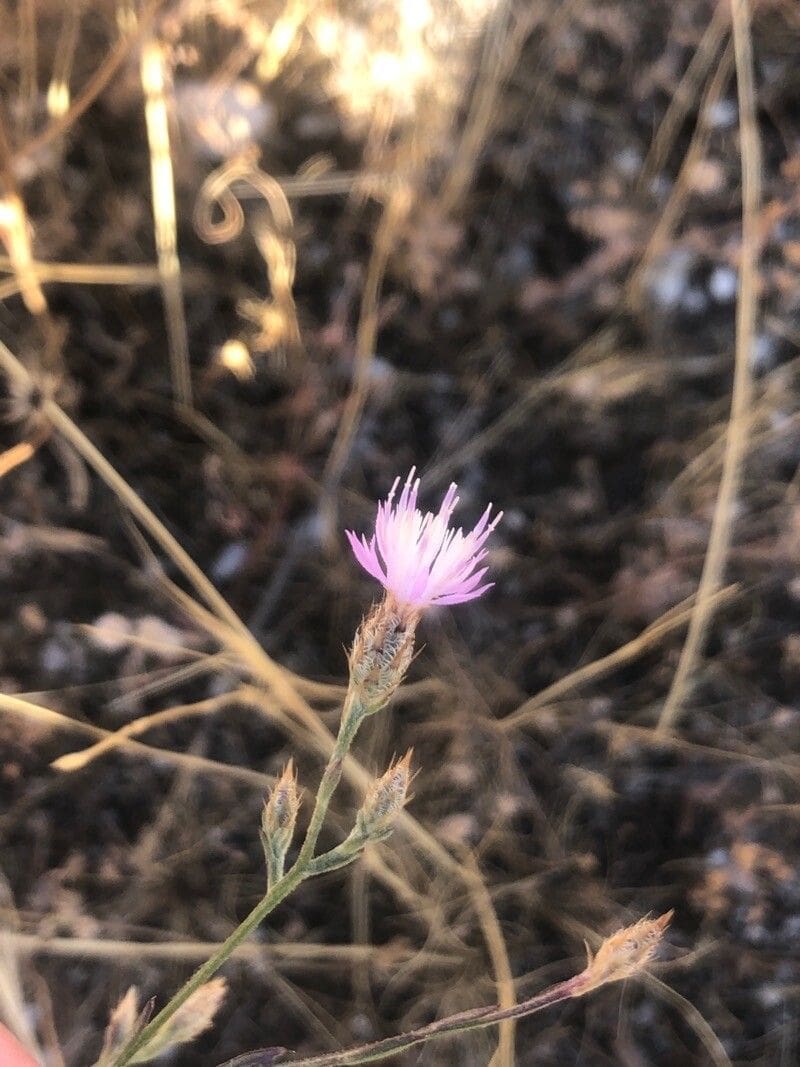
Taming the Thistle: Propagating the Enchanting Centaurea aristata
The Centaurea aristata, known by its more approachable name – the aristate knapweed – is a visual delight. This charming perennial isn’t your average meadow flower. Native to the sunny slopes of the Mediterranean, it boasts vibrant, thistle-like blooms in a striking palette of pinks and purples, held proudly atop silvery-green foliage.
While its beauty is captivating, you might be surprised to know that propagating this Mediterranean gem isn’t as prickly as its appearance suggests. Whether you’re a seasoned gardener or just starting out, there are two primary methods to welcome more of these beauties into your garden:
1. Seed Starting: A Dance with Patience
For those who relish the journey from tiny seed to flourishing plant, starting Centaurea aristata from seed is a rewarding endeavor. Here’s how:
- Timing is Key: Sow your seeds indoors 6-8 weeks before the last expected frost. This gives them a head start and ensures robust seedlings for transplanting.
- Light and Airy: Use a well-draining seed starting mix and sprinkle the seeds on the surface, lightly pressing them down. Centaurea aristata seeds need light to germinate, so avoid burying them deep.
- Warmth and Moisture: Maintain a consistent temperature around 70°F (21°C) and keep the soil consistently moist but not waterlogged. A spray bottle works wonders for gentle watering.
- Patience, Young Padawan: Germination can take anywhere from 10 days to 3 weeks. Once the seedlings have a couple of sets of true leaves, they’re ready to be transplanted outdoors after the danger of frost has passed.
2. Division: Sharing is Caring (and Easier!)
Division is the faster route to multiplying your Centaurea aristata, perfect for established plants. Here’s the game plan:
- Spring Awakening: Early spring, just as new growth emerges, is the ideal time to divide.
- Digging Deep: Gently lift the entire plant from the ground using a garden fork, ensuring you get a good rootball.
- Divide and Conquer: Carefully tease apart the plant into sections, each with healthy roots and shoots. A sharp, clean knife can be helpful for larger clumps.
- Replant and Rejoice: Replant the divisions at the same depth they were previously growing, water thoroughly, and watch them thrive.
Thriving Tips for Your Aristate Beauties
No matter your chosen propagation method, these tips will ensure your Centaurea aristata flourish:
- Sun Seekers: They adore basking in full sun for at least 6 hours a day.
- Well-Drained Delight: Ensure the soil is well-draining to prevent root rot.
- Water Wisely: Water deeply but infrequently, allowing the soil to dry out slightly between waterings.
- Deadheading Divas: Regular deadheading encourages more blooms and prevents unwanted self-seeding.
With a touch of patience and care, propagating Centaurea aristata is an achievable delight. Soon, your garden will be graced with the captivating beauty of these thistle-like blooms, a testament to your green thumb and a source of joy for seasons to come.