
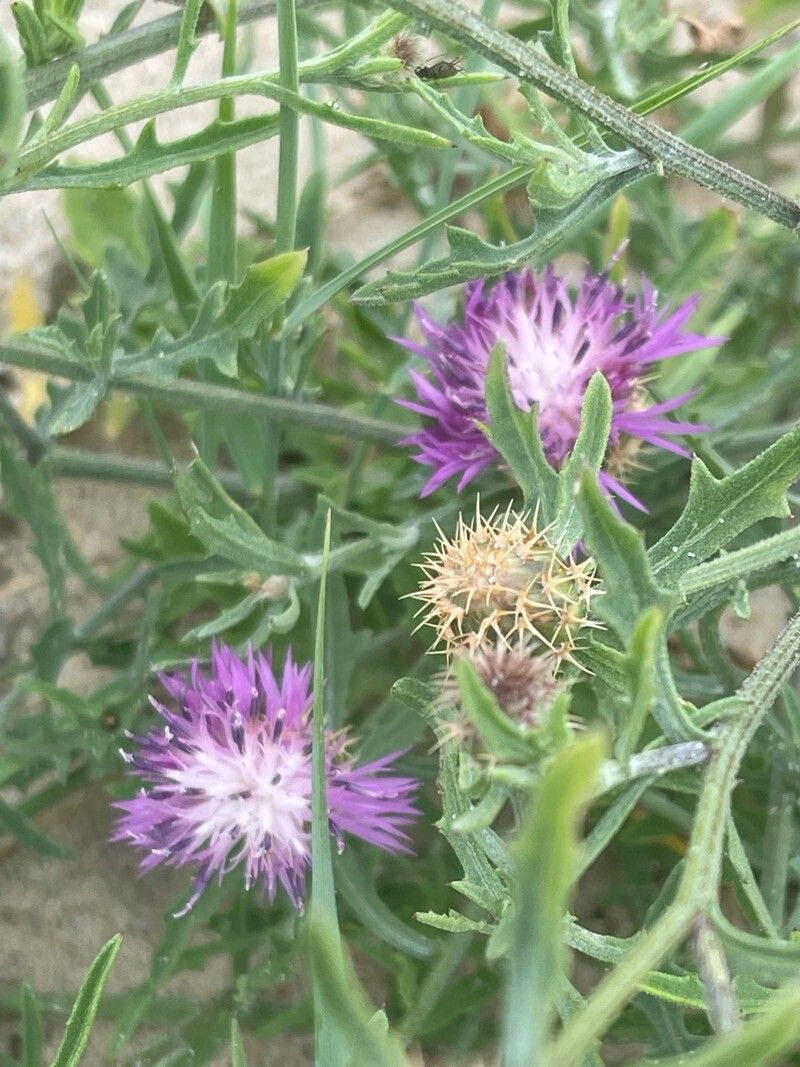
Propagating Centaurea aspera: Taming the Spiny Beauty
Centaurea aspera, commonly known as the rough knapweed or spiny star thistle, is a striking herbaceous perennial boasting silvery, spiny foliage and vibrant purple, thistle-like flowers. Its unique appearance and drought tolerance have earned it a place in many a gardener’s heart, despite its somewhat prickly nature. Propagating this intriguing plant, however, presents unique challenges and rewards, making the process a satisfying test of horticultural skill.
Seed Germination:
Currently, there are no known reliable methods for seed germination propagation of Centaurea aspera. While the plant does produce seeds, their germination rate is notoriously low, and successful germination in a controlled environment has yet to be consistently documented. Further research into specific seed treatment requirements, including potentially long stratification periods or scarification, may be necessary to unlock this propagation method.
Cuttings:
Cuttings offer a more feasible propagation method for Centaurea aspera.
Challenges: Success depends greatly on timing and technique. The plant’s somewhat woody stems can be challenging to root.
Tips: Take semi-hardwood cuttings in late spring or early summer. Select healthy, young stems, ideally 4-6 inches long, with several sets of leaves. Remove lower leaves to prevent rot, and treat the cut ends with a rooting hormone. Plant cuttings in a well-draining, moist propagating mix (e.g., a mix of perlite and peat moss) under humid conditions, ideally using propagation trays or a cloche to maintain humidity. Mist regularly and avoid direct sunlight.
Rewards: Cuttings offer a relatively quick way to multiply chosen specimens, preserving desirable traits. This method is less labour intensive compared to division for smaller-scale propagation.
Division:
Division is a viable but somewhat limited method for propagating Centaurea aspera.
Challenges: The plant’s taproot and extensive root system make division difficult. Dividing too aggressively can severely damage the mother plant and reduce chances of survival for the divisions. Timing is crucial to minimize stress.
Tips: Division performed in early spring or autumn, during periods of dormancy or active growth, is most successful. Carefully dig up the mature plant, taking care not to damage the root system. Divide the clump into multiple sections, ensuring each division possesses a healthy portion of roots and shoots. Replant the divisions immediately, ensuring ample spacing. Water thoroughly after planting.
Rewards: Division preserves the genetic characteristics of the parent plant and provides a quicker multiplication method compared to cuttings in established plants.
Tissue Culture:
While not commonly practiced for Centaurea aspera, tissue culture offers the potential for large-scale, rapid propagation and disease-free stock. However, it requires specialized equipment, aseptic techniques, and expertise.
Challenges: Establishing a sterile protocol for this species will need dedicated research and testing. The success rate may be initially low due to the need to find ideal growth mediums and hormone treatments.
Tips: If undertaking tissue culture, obtaining expertise from a tissue culture laboratory or experienced personnel is necessary.
Rewards: Large-scale propagation can be efficiently achieved by this method, making it particularly valuable for commercial applications.
Conclusion:
Propagating Centaurea aspera presents a rewarding but often challenging endeavor. While seed germination remains unreliable, cuttings and division offer viable options, with each having its own set of obstacles and advantages. For large-scale applications and superior disease control, tissue culture offers the most promising path, though research and expertise are needed to optimize the method for this species. The unique satisfaction derived from successfully propagating this spiny beauty, having overcome these challenges, makes the effort more than worthwhile. Don’t be discouraged by initial setbacks; experimentation and careful observation are key to your success in cultivating this stunning plant. Persistence and patience are paramount – your efforts will be rewarded by the presence of these captivating plants in your garden.