
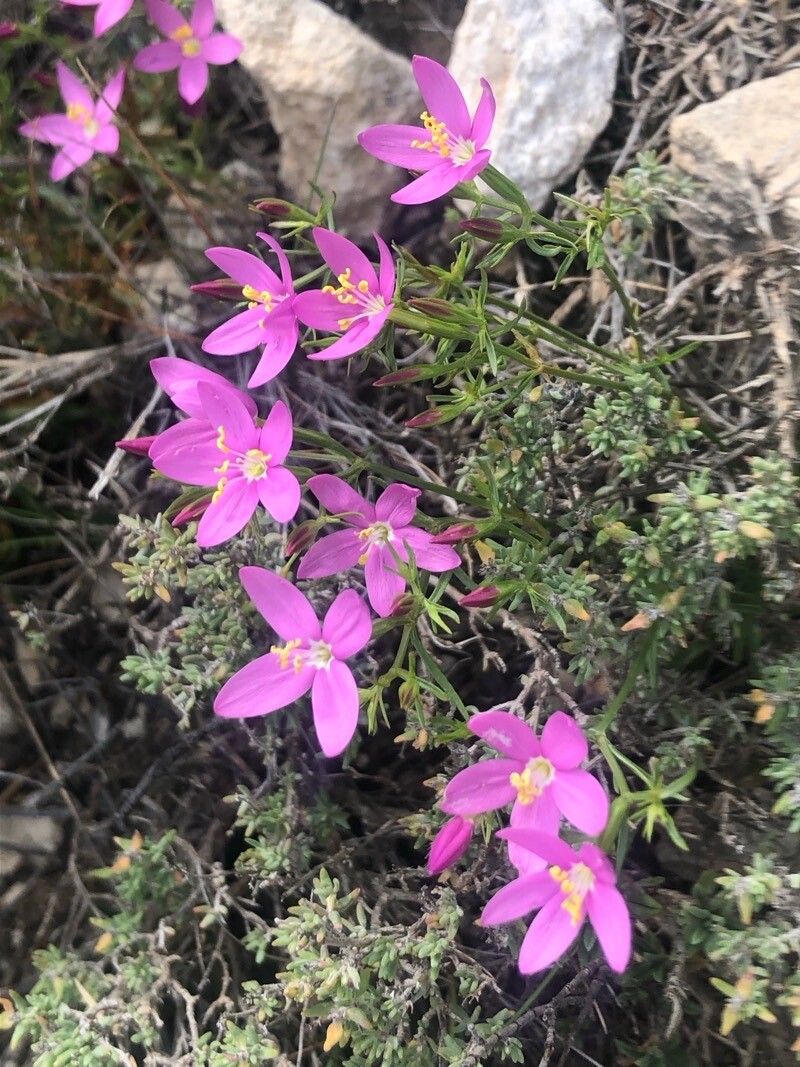
Unlocking the Secrets of Centaurium quadrifolium: A Guide to Propagation
Centaurium quadrifolium, also known as the four-leaved centaury, is a charming little plant with delicate pink flowers and an intriguing history of medicinal use. While not as commonly found in gardens as other flowering beauties, its delicate charm and relative ease of care make it a rewarding plant to cultivate. If you’re hoping to invite more of these charming blooms into your garden, propagating your own Centaurium quadrifolium is an achievable and fulfilling endeavor.
This guide will walk you through the two most effective methods of propagating Centaurium quadrifolium:
1. Seed Propagation:
- Timing is key: Centaurium quadrifolium seeds are best sown in the spring, either directly outdoors after the last frost or indoors 6-8 weeks prior to your last frost date.
- Sowing the seeds: Choose a well-draining seed starting mix or create your own using a combination of peat moss, perlite, and vermiculite. Sprinkle the seeds on the surface of the soil and lightly press them in, as they require light to germinate.
- Optimal conditions: Keep the soil consistently moist but not waterlogged. A spray bottle can be useful to avoid disturbing the tiny seeds. Place the seed tray or pots in a bright location, out of direct sunlight.
- Germination: You should see your Centaurium quadrifolium seeds germinate within 14-21 days.
- Thinning and transplanting: Once the seedlings have developed a couple of true leaves, thin them out to give the strongest ones more space to grow. When they are large enough to handle, carefully transplant them into individual pots or directly into your garden, spacing them about 12 inches apart.
2. Propagation from Cuttings:
- Time it right: The ideal time to take cuttings is in the late spring or early summer when the plant is actively growing.
- Taking the cuttings: Choose healthy, non-flowering stems and cut a 3-4 inch section just below a leaf node. Remove the lower leaves from the cutting, leaving only a few at the top.
- Encouraging root development: Dip the cut end of the stem in rooting hormone powder (optional but recommended). Plant the cuttings in small pots filled with a well-draining potting mix.
- Creating a humid environment: Cover the pots with a plastic bag or place them in a propagator to retain moisture and create a humid environment conducive to root development.
- Be patient: It will take several weeks for your cuttings to root. Once you see new growth, you’ll know they have successfully rooted.
- Transplanting: After the cuttings have rooted, carefully transplant them into larger pots or directly into your garden, providing them with well-draining soil and moderate watering.
Caring for your new Centaurium quadrifolium:
Centaurium quadrifolium thrives in full sun to partial shade and well-drained soil. It prefers slightly acidic to neutral soil pH. Once established, it is relatively drought tolerant but benefits from regular watering during dry periods.
Propagating your own Centaurium quadrifolium allows you to increase your stock of this lovely plant and share its unique charm with fellow gardening enthusiasts. With a bit of patience and the right techniques, you can enjoy a bounty of these delicate blooms year after year.