
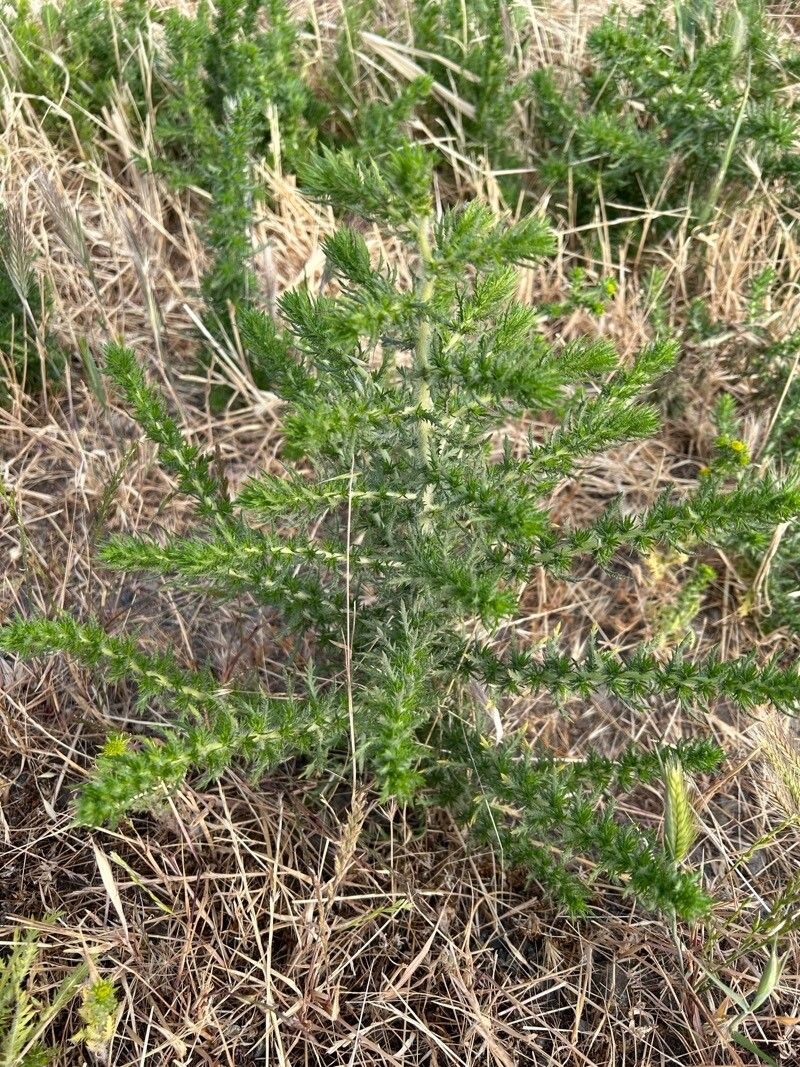
Taming the Wild Sun: Propagating Parry’s Goldflower (Centromadia parryi)
Parry’s Goldflower (Centromadia parryi), with its cheerful golden blooms and hardy nature, is a welcome splash of sunshine in any garden. This California native, also known as Foothill Tarweed, is a favorite among those who appreciate low-maintenance beauty and want to attract pollinators like bees and butterflies. While it’s easy to fall in love with this charming wildflower, getting it established in your garden might seem a bit daunting. Fear not! This guide will demystify Parry’s Goldflower propagation, helping you cultivate this delightful plant from seed.
Understanding the Life Cycle:
Parry’s Goldflower is an annual plant, meaning it completes its lifecycle in a single growing season. Knowing this is critical for successful propagation. It thrives in well-drained soil and thrives in full sun to partial shade.
Seed Starting: The Key to Success
Seed Collection (Optional): If you’re lucky enough to have access to an existing Parry’s Goldflower patch, you can collect seeds for propagation. Wait until the flowers fade and form seed heads which will be dry and brown. Carefully collect the seed heads and store them in a paper bag in a cool, dry location until you’re ready to plant.
Sowing the Seeds: The optimal time to sow Parry’s Goldflower seeds is in fall. Direct sowing is recommended, as these wildflowers often resent transplanting.
- Prepare the Planting Area: Choose a spot with well-drained soil and ample sunlight. Loosen the soil to a depth of about 6-8 inches. Parry’s Goldflower isn’t too picky about soil richness, but adding some compost can be beneficial.
- Sowing: Scatter the seeds thinly over the prepared soil. You can lightly rake them in, but remember these seeds need light to germinate.
- Watering: Gently water the area, ensuring the seeds have good contact with the soil. Avoid overwatering, as it can lead to seed rot.
- Germination and Growth: Be patient! Parry’s Goldflower seeds can take several weeks to germinate, especially in cooler climates. Once the seedlings emerge, thin them out to about 6-12 inches apart to prevent overcrowding. This allows for proper air circulation and reduces competition for resources.
Beyond the First Year: Let Nature Lend a Hand
One of the wonderful things about Parry’s Goldflower is its tendency to self-sow. After its blooming period, the plant produces an abundance of seeds. With proper conditions, many of these seeds will naturally fall to the ground and germinate the following fall, creating a beautiful display year after year with minimal effort on your part.
Troubleshooting and Tips:
- Damping off: Damping-off is a fungal disease that can affect seedlings. Avoid overwatering and ensure proper air circulation to prevent this issue.
- Birds: Birds are attracted to the seeds. Consider using netting or other protective measures to prevent them from eating all your newly sown seeds.
- Transplanting: While direct sowing is preferred, you can start seeds indoors in peat pots a few weeks before the last frost. However, be extremely careful when transplanting, as Parry’s Goldflower has delicate roots.
Embrace the Wildflower Spirit!
Propagating Parry’s Goldflower is a rewarding endeavor that allows you to enjoy the beauty of this native wildflower in your own outdoor space. By following these simple steps, you can cultivate a vibrant display of golden blooms, adding a touch of sunshine and attracting valuable pollinators to your garden. Don’t be afraid to experiment and enjoy the journey of watching these charming wildflowers thrive!