
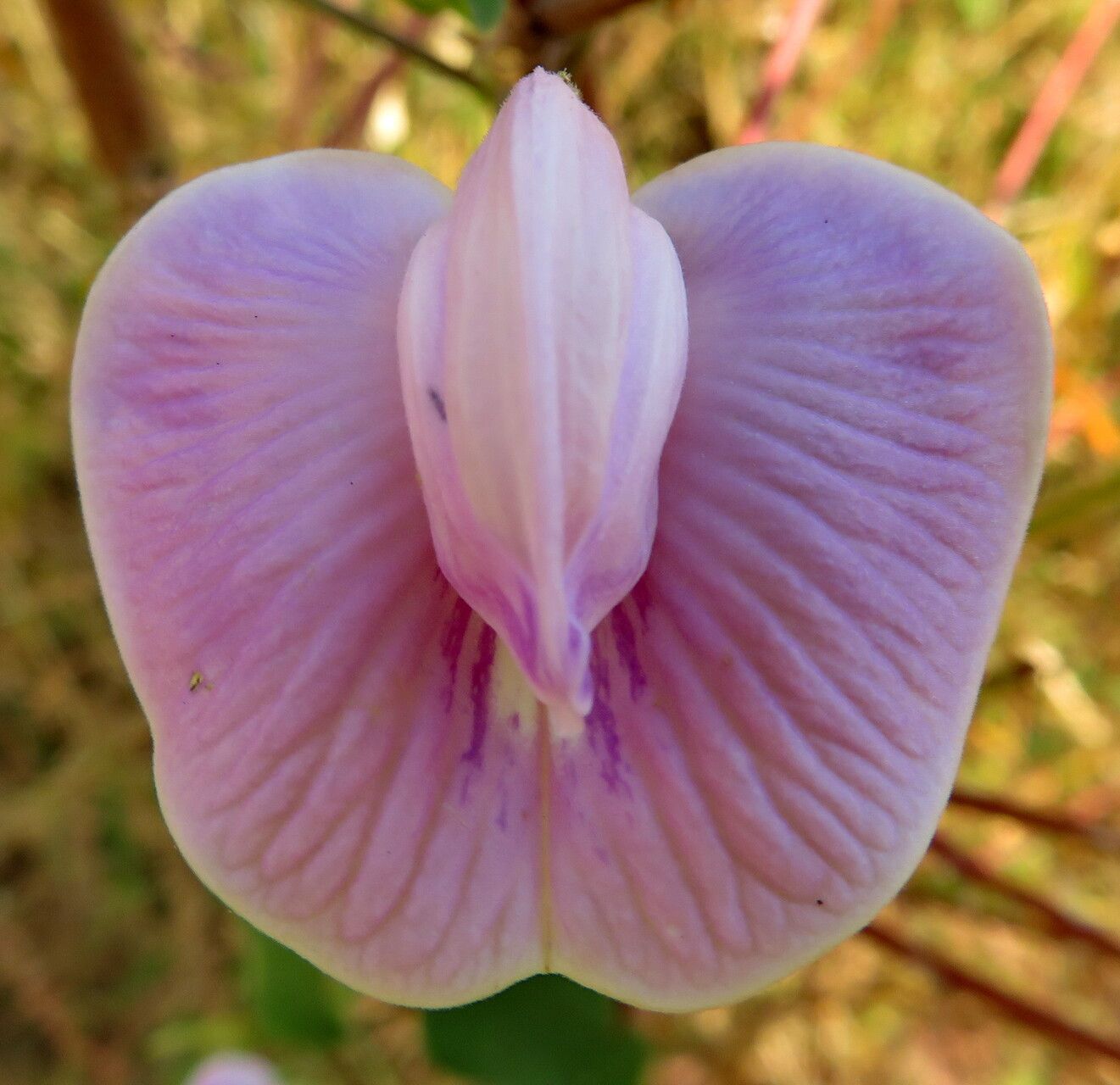
From Seed to Success: Propagating the Versatile Centrosema pubescens
Centrosema pubescens, a legume with a name that might make you stumble, is actually a powerhouse in the world of plants. Known by various names like “centro” or “tropical kudzu,” this fast-growing vine offers a multitude of benefits – from enriching the soil to providing nutritious forage for livestock. But what makes centrosema pubescens truly special is its remarkable ease of propagation, making it accessible to even the most novice gardener.
Let’s delve into the world of centrosema propagation, exploring the various techniques and sharing some helpful tips to ensure your success.
Seeds: The Gateway to New Growth
Centrosema pubescens is a prolific seed producer, making it a prime candidate for propagation through seeds. Here’s a step-by-step guide:
- Harvesting the Seeds: The seeds mature within pods that turn brown and dry. Carefully collect these pods and allow them to dry completely in a cool, dry place. You’ll find the seeds inside.
- Preparing for Planting: Ensure your soil is well-drained. You can directly sow the seeds in the ground or use pots for better germination control.
- Sowing the Seeds: Place the seeds about 1/2 inch deep into the soil and water generously. Keep the soil moist but not waterlogged.
- Patience is Key: Centrosema pubescens seeds often take 2-3 weeks to germinate, so be patient and avoid disturbing the soil.
Stem Cuttings: Quick and Efficient
For those who seek faster results, stem cuttings provide a more rapid propagation method. This technique takes advantage of the vine’s rapid growth and the natural ability of its stems to develop roots.
- Selecting the Cuttings: Choose healthy, non-flowering stems that are at least 6 inches long. The ideal time for cutting is in the spring or early summer.
- Preparing the Cuttings: Make a clean cut just below a node, ensuring the cutting has at least two leaves. You can use a sharp knife or pruning shears.
- Root Hormone Enhancement: Dip the base of the cuttings in rooting hormone solution to encourage root development.
- Planting the Cuttings: Plant the cuttings in a moist potting mix and ensure they receive light and warmth. To promote rooting, cover the cuttings with a plastic dome or bag.
- Monitoring and Care: Maintain the humidity and warmth, and within a few weeks, you should see new roots forming. Once established, you can transplant them outdoors.
Centrosema pubescens: A Versatile and Resilient Plant
Centrosema pubescens thrives in a variety of growing conditions, making it an exceptional choice for gardeners and farmers alike. It prefers full sun and well-drained soil but can tolerate partial shade and even poor soil conditions. Its resilience makes it an excellent choice for erosion control and soil improvement.
Boosting Growth and Ensuring Success
Here are some essential tips to ensure your centrosema pubescens propagation journey is a success:
- Water regularly: Especially during the early stages of growth, ensure that the soil remains moist but not waterlogged.
- Fertilize judiciously: While centrosema pubescens is a nitrogen-fixing plant, adding a balanced fertilizer can enhance its growth.
- Control pests and diseases: Be vigilant for any pests or diseases that might affect the plant, and take steps to control them promptly.
Centrosema pubescens offers a plethora of benefits – from its environmental contributions to its applications in animal feed. This guide has provided a glimpse into the world of propagating this remarkable plant. Choose the method that best suits your needs and enjoy the rewarding experience of nurturing the growth of this versatile and valuable plant.