
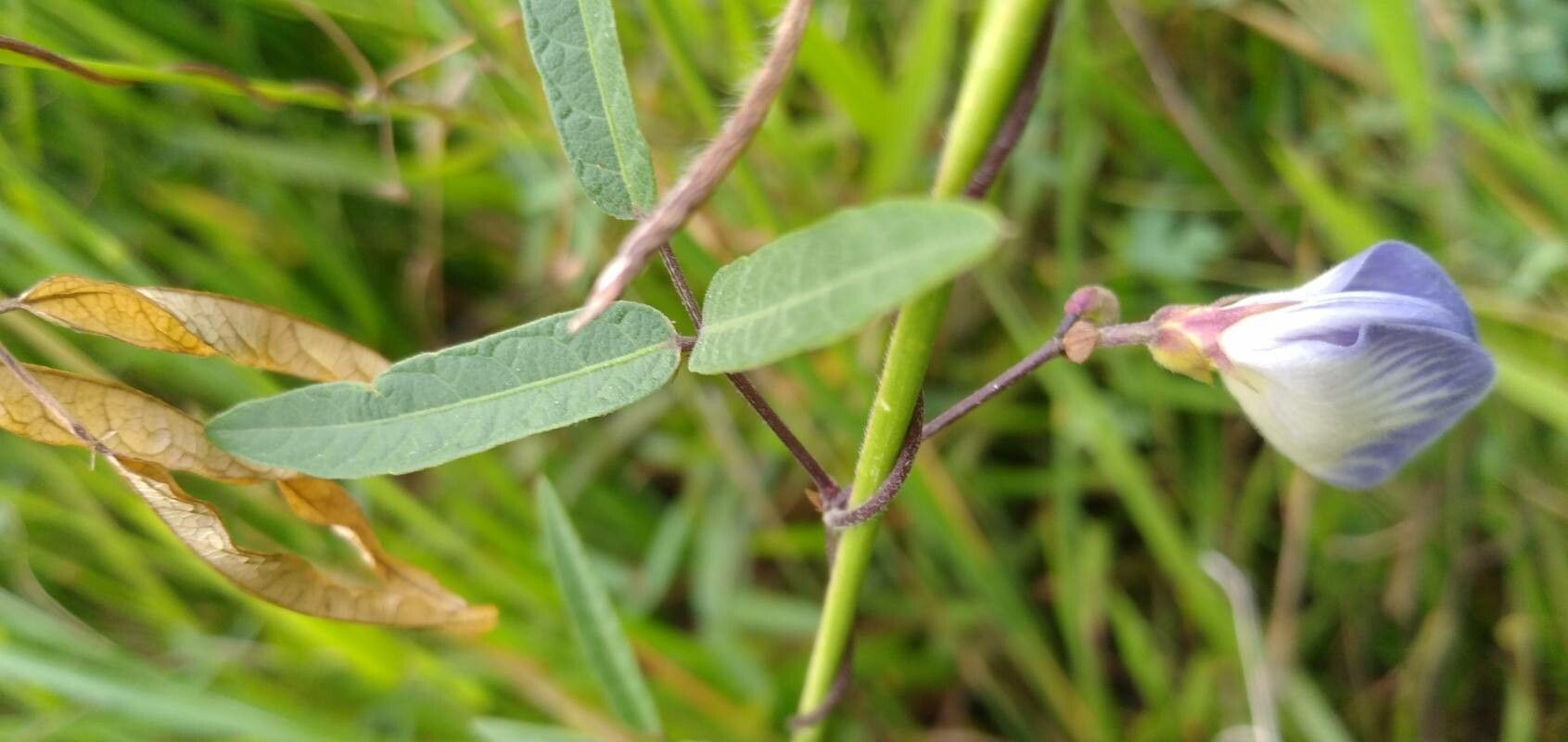
Propagating Centrosema virginianum: A Guide to the Spurred Butterfly Pea
Centrosema virginianum, commonly known as spurred butterfly pea or wild blue pea, is a charming, climbing legume native to the southeastern United States and parts of Central and South America. Its vibrant purple-blue flowers, reminiscent of butterflies in flight, and its sprawling, vigorous growth habit make it a popular choice among gardeners seeking a hardy and attractive ground cover or climbing plant. However, propagating this species presents unique challenges and rewards. Its relatively low prevalence in the commercial nursery trade adds another layer of interest for those seeking to cultivate it.
Seed Germination:
While Centrosema virginianum produces seeds, germination can prove quite challenging. The seed coat is relatively hard, inhibiting water uptake and germination. Therefore, scarification is often necessary. This can be achieved through mechanical means (scoring the seed coat with sandpaper or a file) or chemical means (soaking in concentrated sulfuric acid for a short period – proceed with extreme caution and appropriate safety measures).
Challenges: Low germination rates are common, even with scarification. Seed viability can also decline rapidly.
Practical Tips: Soak scarified seeds in warm water for 24 hours before sowing. Sow seeds directly into well-draining soil at a depth of approximately twice the seed’s diameter. Maintain consistently moist (but not waterlogged) soil. Germination may take several weeks to months.
Rewards: Successful germination yields genetically diverse plants, providing a wider range of characteristics for selection and potential for large-scale propagation if sufficient numbers germinate.
Cuttings:
Propagating Centrosema virginianum from cuttings shows more promise than seed propagation.
Challenges: Root development can be slow and inconsistent. Using rooting hormone significantly improves the success rate.
Practical Tips: Take semi-hardwood cuttings (from new growth that has begun to harden) in late spring or early summer. Remove lower leaves to prevent rot. Dip the cut ends in rooting hormone and plant in a well-draining medium such as a perlite and peat moss mix. Maintain high humidity (e.g., using a humidity dome or plastic bag) and consistent moisture.
Rewards: Faster propagation compared to seed, resulting in quicker establishment of new plants compared to seed germination. Maintains the characteristics of the mother plant.
Division:
Division is a viable method, particularly for established plants.
Challenges: Requires already established, mature plants. Can be disruptive to the parent plant if not done carefully.
Practical Tips: Gently divide the root ball in spring or autumn, ensuring each division has ample roots and healthy shoots. Plant the divisions immediately in well-prepared soil. Water thoroughly after planting.
Rewards: Relatively easy and quick method in comparison to seed or cuttings which creates instant maturity.
Tissue Culture:
Tissue culture propagation of Centrosema virginianum is possible but requires specialized equipment and expertise, rendering it unsuitable for the amateur gardener.
Challenges: Requires a laboratory setting, sterile techniques, and specialized media and growth regulators. High initial investment in equipment and training.
Rewards: Potentially high propagation rate and genetic uniformity. Ideal for large-scale propagation and conservation efforts.
Conclusion:
Propagating Centrosema virginianum presents several challenges, with seed germination being the least reliable method and tissue culture demanding significant resources. Cuttings and division offer more achievable propagation methods for the home gardener. While the rewards of successfully cultivating this attractive plant – the satisfying sight of its vibrant blue flowers and the knowledge of having propagated it yourself – make the effort worthwhile, patience and persistence are paramount. Mastering any of these techniques, particularly achieving success with seed germination, speaks volumes to the dedication and reward for the passionate plant propagator. Don’t be discouraged by initial setbacks; experimentation and learning from each attempt will ultimately lead to success.