
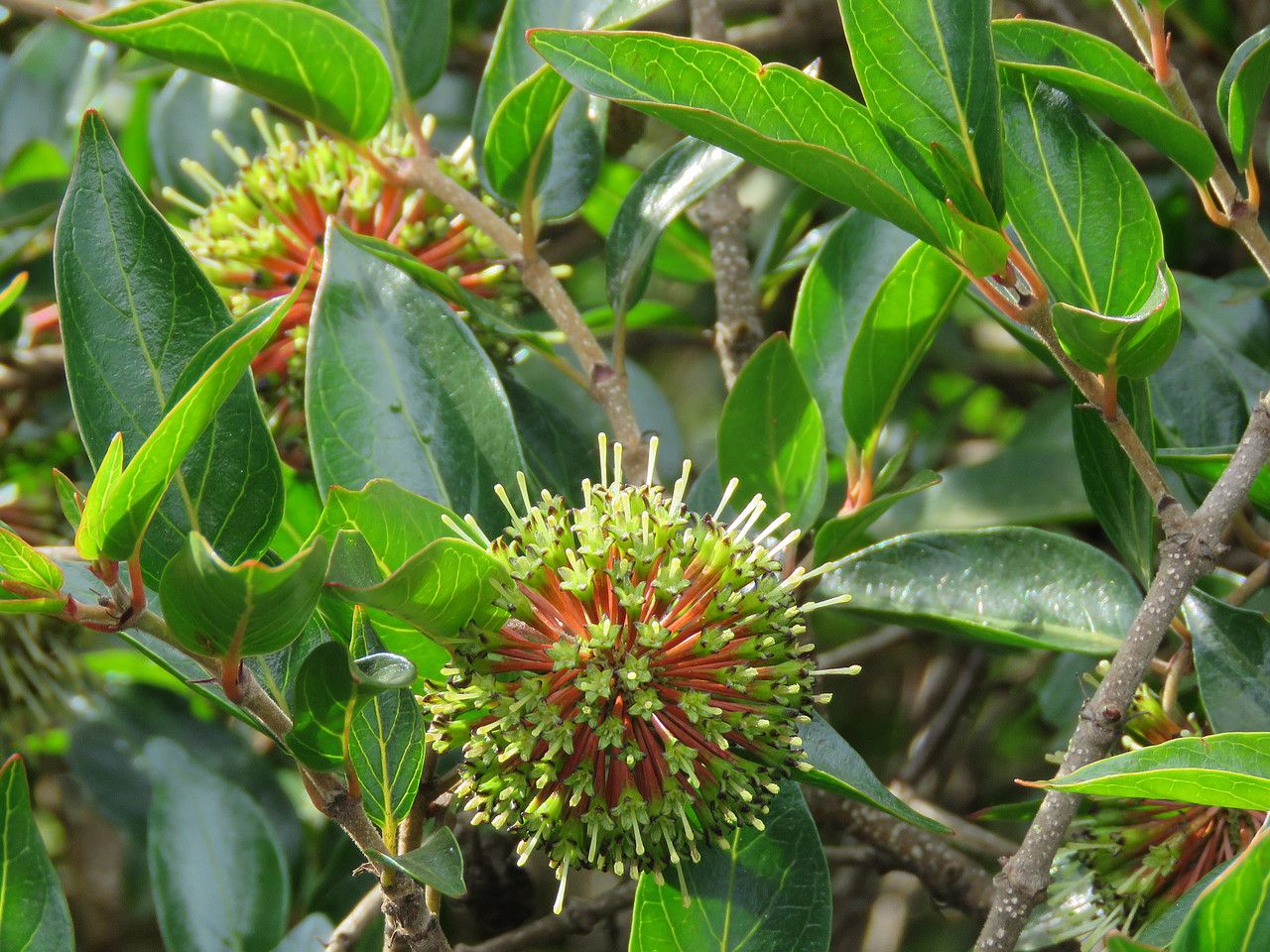
Water Button Secrets: Multiplying the Magic of Cephalanthus natalensis
The Cephalanthus natalensis, more affectionately known as the Water Button or Honey Bells, is a sight to behold. Imagine vibrant green foliage bursting forth with pincushion-like blooms, each tiny floret exploding into a sweet nectar-filled trumpet. Bees swarm, butterflies flutter, and your garden transforms into a haven for pollinators. But the magic doesn’t stop there! This water-loving beauty is surprisingly easy to propagate, meaning you can easily multiply your stock and share the joy with friends. Let’s dive into the secrets of propagating Cephalanthus natalensis:
1. The Power of Seeds:
Inside each fluffy flower head lies the potential for new life. Collect the small, brown seeds once the flower heads dry and turn brown.
- Timing is Key: Late summer or early fall is ideal for seed collection.
- Pre-treat for Success: Soak the seeds in warm water for 24 hours before sowing. This softens the outer shell and encourages germination.
- Sowing the Seeds: Use a well-draining seed starting mix and keep it consistently moist. Scatter the seeds on the surface and press lightly.
- Patience, Young Padawan: Germination can take a few weeks. Once seedlings have a few sets of true leaves, you can transplant them into individual pots.
2. Cuttings: A Shortcut to Success:
For a quicker and often more reliable method, cuttings are your best friend.
- When to Take Cuttings: Spring or early summer is prime cutting season, when the plant is actively growing.
- Choose Wisely: Select healthy, non-flowering stems about 4-6 inches long.
- Prepare the Cuttings: Remove the lower leaves, leaving only a few at the top.
- Rooting Hormone Boost: While not essential, dipping the cut end in rooting hormone can encourage faster root development.
- Planting the Cuttings: Use a well-draining potting mix and insert the cuttings about 2 inches deep.
- Create a Humid Environment: Cover the pot with a clear plastic bag or use a humidity dome to retain moisture.
- Keep an Eye Out: Within a few weeks, you should start to see new growth, signaling that roots have developed.
3. Division: Sharing the Bounty:
If you have an established clump of Cephalanthus natalensis, division is an excellent way to propagate and thin out the plant at the same time.
- Best Time for Division: Early spring, just before new growth emerges, is the ideal time for dividing.
- Carefully Dig Up the Clump: Use a sharp spade or garden fork to loosen the soil around the plant.
- Divide and Conquer: Gently separate the clump into smaller sections, ensuring each section has a healthy root system and several stems.
- Replant and Water Deeply: Replant the divisions at the same depth they were originally growing and give them a good water.
Nurturing Your New Water Buttons:
Whether you choose seeds, cuttings, or division, consistent care is key to success. Cephalanthus natalensis thrives in moist, well-drained soil and full sun to partial shade.
With a little patience and these simple techniques, your garden will soon be overflowing with the enchanting beauty of Cephalanthus natalensis. Not only will you be rewarded with stunning blooms, but you’ll be playing a part in supporting our vital pollinators. So get propagating and spread the Water Button love!