
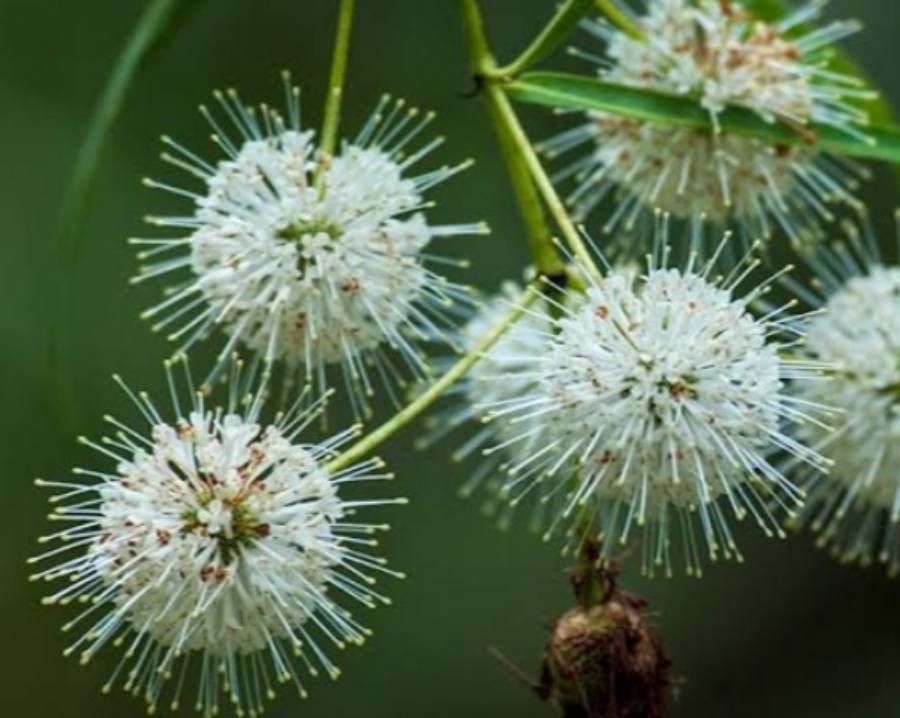
Propagating the Willow-Leaved Buttonbush (Cephalanthus salicifolius): A Gardener’s Guide
Introduction:
Cephalanthus salicifolius, commonly known as the willow-leaved buttonbush, is a charming shrub prized for its unique, spherical flower heads resembling pincushions. Native to wetlands and moist areas of the southeastern United States, its graceful weeping habit and fragrant white blooms make it a popular choice for water gardens, rain gardens, and naturalistic landscaping. Its adaptability to difficult conditions and attractive features lend it horticultural significance, but propagating this species can present some unique challenges. While relatively uncommon in cultivation compared to its more widely-grown cousin, Cephalanthus occidentalis, its propagation offers a rewarding experience for the dedicated gardener.
Seed Germination:
Currently, there are no known reliable methods for seed germination propagation of Cephalanthus salicifolius. While seeds may be produced, their germination rate is reportedly very low, and successful germination under controlled conditions has not been widely documented. Further research is needed to determine optimal germination techniques, including potential stratification requirements or pre-treatment methods.
Cuttings:
Cuttings offer a more reliable method for propagating Cephalanthus salicifolius.
Challenges: Success rates can vary depending on the timing and technique. Hardwood cuttings taken in late fall or winter generally have lower success rates than semi-hardwood cuttings taken in late spring or early summer. The cuttings are prone to fungal diseases if not kept in a sterile and well-ventilated environment.
Practical Tips: Take semi-hardwood cuttings (about 4-6 inches long) from new growth. Dip the cut ends in rooting hormone before planting in a moist, well-draining propagation mix (e.g., perlite and peat moss). Maintain high humidity using a propagation dome or plastic bag. Bottom heat can improve rooting success. Regular misting is crucial to prevent dehydration.
Rewards: Relatively quick propagation of genetically identical plants to the mother plant, useful for maintaining desirable traits.
Division:
Division is a viable method, especially for established plants.
Challenges: Division is only feasible for mature plants with well-developed root systems. Care must be taken to avoid damaging the roots during the process. The success of division depends heavily on the health and vigor of the parent plant.
Practical Tips: Divide the plant in early spring or late fall, ensuring each division has a healthy root system and sufficient foliage. Plant the divisions immediately in moist, well-prepared soil. Water thoroughly after planting.
Rewards: A relatively simple and quick method for increasing plant numbers, with a high success rate when done correctly.
Tissue Culture:
Tissue culture propagation of Cephalanthus salicifolius is not widely practiced.
Challenges: Establishing sterile cultures and finding the optimal media and growth regulators for this species would require significant research and specialized laboratory equipment.
Practical Tips: Research protocols for related species may provide a starting point, but considerable experimentation would be necessary.
Rewards: Potential for large-scale propagation and disease-free plants, but this method requires significant expertise and resources.
Conclusion:
Propagating Cephalanthus salicifolius presents unique challenges, with seed germination proving unreliable currently. Cuttings offer a practical approach for home gardeners, while division is best suited for established plants. Tissue culture remains an unexplored but potentially powerful method for large-scale propagation. The rewards, however—cultivating this unique and beautiful plant—are well worth the effort. The satisfaction of nurturing a cutting from a small twig into a thriving shrub or successfully dividing a mature plant is immense, underscoring the enduring connection between gardener and plant. Don’t be discouraged by initial setbacks; perseverance and careful attention to detail are key to success in propagating this captivating wetland jewel.