
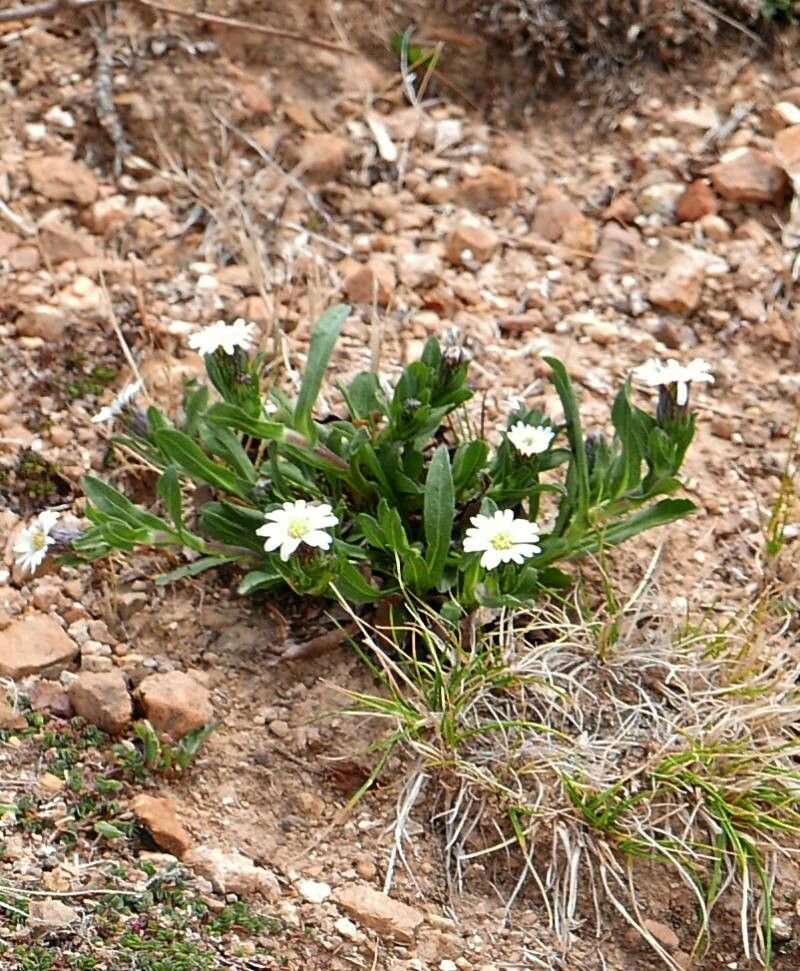
Taming the Arctic Tundra at Home: Propagating Beringian Chickweed
The Beringian chickweed (Cerastium beeringianum) may not roll off the tongue as easily as “rose” or “daisy,” but this unassuming little plant packs a punch of charm. Hailing from the chilly regions of Alaska and Siberia, it forms a delicate carpet of silvery-green foliage, accented by adorable white star-shaped flowers in the spring. If you’re looking to add a touch of hardy, low-maintenance beauty to your garden, propagating your own Beringian chickweed can be a rewarding experience.
Understanding the Options
While seeds are an option, the most foolproof method for propagating Beringian chickweed is through division. Here’s how to do it:
Division: Conquering Clumps
Beringian chickweed naturally forms dense clumps over time, making division the easiest and fastest way to get new plants. Early spring or fall, when the weather is cool, is the ideal time for this process.
You will need:
- A sharp, clean garden knife or spade
- Gardening gloves
- A bucket or tray to hold the divided plants
- Potting mix (if potting up divisions)
Here’s the step-by-step guide:
- Prepare the plant: Water the Beringian chickweed thoroughly a day or two before dividing.
- Lift and divide: Carefully dig around the base of a mature clump and gently lift it from the ground. Using your knife or spade, slice through the root mass, ensuring each division has a good amount of roots and foliage.
- Replanting or potting: You can replant the divisions directly into your garden, spacing them about 12 inches apart. Amend the soil with compost before planting for optimal drainage and fertility. If you prefer to pot them up, choose well-draining potting mix and containers with good drainage holes.
- Water well: Thoroughly water both newly planted divisions and the parent plant.
Seed Starting: A Test of Patience
While slightly more challenging, starting Beringian chickweed from seed allows you to witness the full lifecycle of this resilient plant.
Here’s the breakdown:
- Source your seeds: Purchase seeds from a reputable nursery or online retailer specializing in alpine or rock garden plants.
- Sow in early spring: Fill seed trays with a well-draining seed starting mix and sprinkle the seeds on top, pressing them gently into the soil.
- Light and moisture: Place the tray in a bright location out of direct sunlight. Keep the soil consistently moist but not waterlogged.
- Transplantation: Once the seedlings reach a few inches tall and have developed a strong root system (usually after 6-8 weeks), transplant them into individual pots or directly into your garden.
Caring for Your New Additions:
Beringian chickweed thrives in well-drained soil and prefers full sun to partial shade. They are relatively drought-tolerant once established but appreciate regular watering during their first growing season. A light application of balanced fertilizer in the spring can encourage healthy growth.
Propagation Made Easy:
Don’t let the exotic name intimidate you, propagating Beringian chickweed is a straightforward and gratifying experience. Whether you choose division or seed starting, you’ll soon be enjoying a lush tapestry of this hardy and charming arctic flower, transforming your garden into a miniature tundra wonderland.