
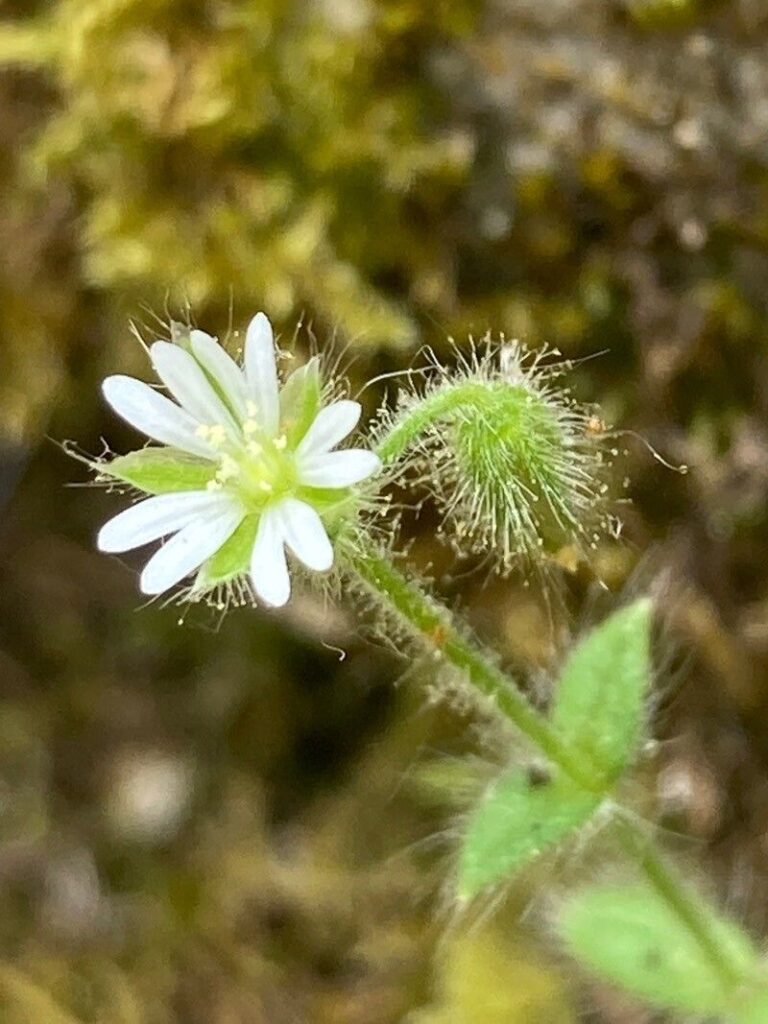
Spreading the Silky Carpet: Your Guide to Propagating Cerastium brachypetalum
Cerastium brachypetalum, better known as Grey Mouse-ear chickweed, might not roll off the tongue easily, but don’t let that fool you. This charming little plant, with its delicate white flowers and silvery-green foliage, can be a wonderful addition to any garden looking for a touch of delicate wildness. And the best part? It’s incredibly easy to propagate, meaning you can multiply your stock and spread the joy (and the carpet-like beauty) far and wide.
Understanding the Basics
Before we dive into the specifics, it’s helpful to understand that Cerastium brachypetalum is a relatively short-lived perennial, often behaving as a biennial. This means propagation is not just a fun gardening project, but rather essential for maintaining a healthy stand of these beauties in your garden year after year.
Two Roads to Success: Seeds and Division
1. Starting from Seed: Embrace the Wonders of Nature
Cerastium brachypetalum generously self-seeds, often popping up in surprising places around your garden. However, for a more controlled approach, you can easily collect seeds from mature plants and sow them yourself. Here’s how:
- Timing is Key: Aim to collect seeds in late spring or early summer when the seed pods turn brown and papery.
- Sowing the Seeds: Sprinkle your collected seeds directly onto well-drained soil either in spring or early fall. Gently press them into the surface, but don’t bury them; they need light to germinate.
- Patience is a Virtue: Germination can take a few weeks. Keep the soil consistently moist but not waterlogged.
- Thinning the Herd: Once seedlings emerge and have developed a few true leaves, thin them out to allow for proper air circulation and growth.
2. Division: The Gift that Keeps on Growing
Dividing established clumps of Cerastium brachypetalum is an excellent way to propagate and rejuvenate your plants. Here’s a step-by-step guide:
- When to Divide: Early spring or early fall are the best times for division, allowing the plants enough time to establish before extreme weather conditions.
- Digging Deep: Carefully dig around the plant, ensuring you lift the entire clump with its roots intact.
- Gentle Separation: With a sharp, clean knife or simply your hands, divide the clump into smaller sections, ensuring each section has a good amount of roots and shoots.
- Replanting: Prepare new planting holes with well-drained soil. Replant the divided sections at the same depth they were previously growing, water thoroughly, and watch them thrive!
Caring for Your New Offspring
Cerastium brachypetalum enjoys full sun to light shade and well-drained soil. While relatively low-maintenance, regular watering, especially during dry spells, will encourage lush growth.
Propagating Cerastium brachypetalum is a rewarding experience that allows you to expand your garden effortlessly. By embracing these simple techniques, you’ll enjoy a beautiful tapestry of silvery foliage and dainty blooms year after year. So go ahead, get your hands dirty, and let this charming little plant work its magic!