
Unlock the Magic of Ceratostigma Minus: A Guide to Easy Propagation
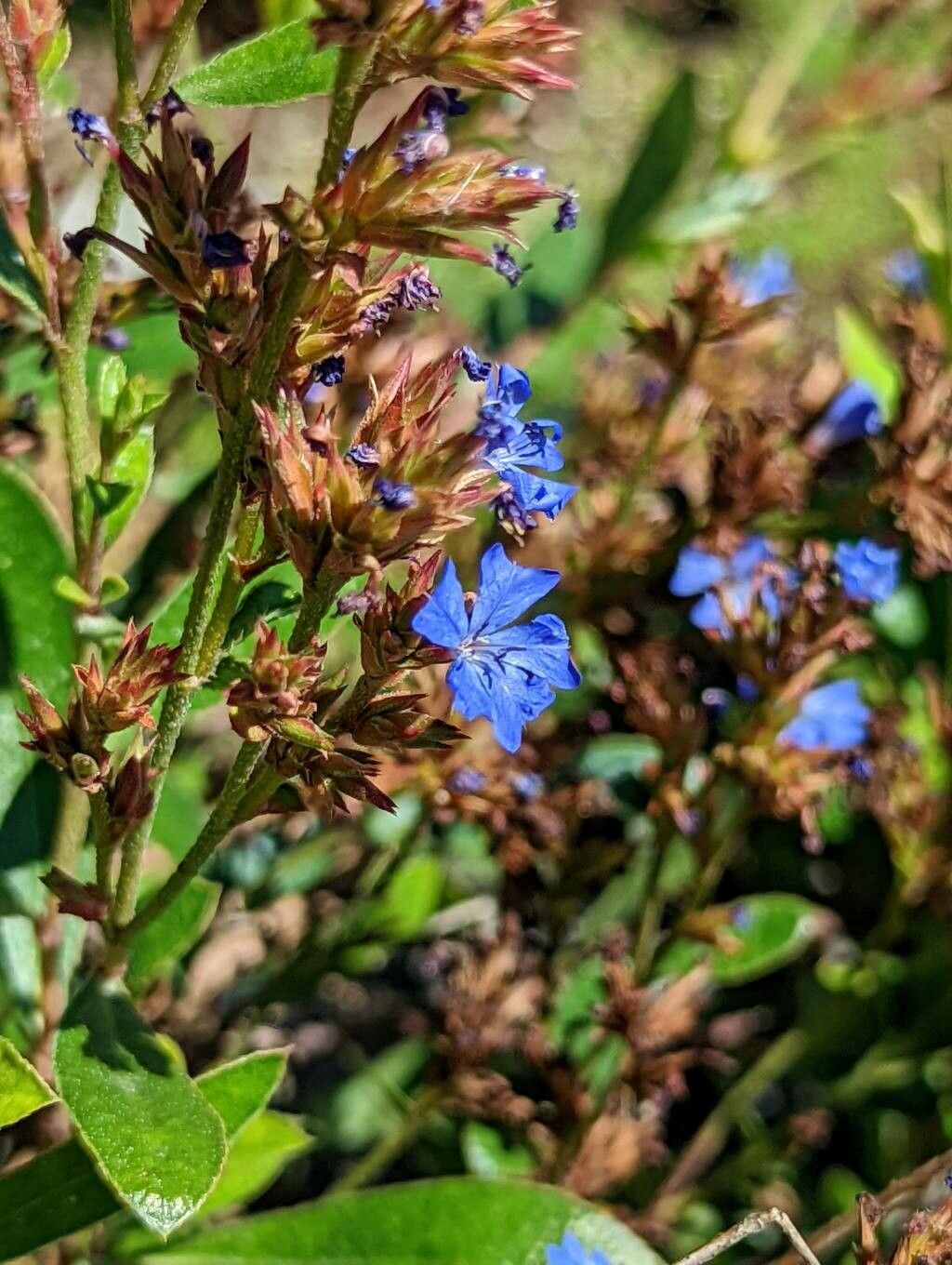
The Ceratostigma minus, also known as the “Harlequin Glorybower”, is a stunning deciduous shrub that lights up the late summer and fall garden with vibrant blue flowers. But did you know that this beauty is also incredibly easy to propagate? That means you can easily create more of these gorgeous shrubs for yourself and your friends, ensuring a continuous display of color year after year.
The Allure of Ceratostigma Minus:
Before we dive into the details of propagation, let’s appreciate the beauty of this plant. Ceratostigma minus boasts a compact, rounded habit, reaching a height of around 3-4 feet. Its star-shaped blue flowers emerge in late summer, adding a splash of color to the often-lackluster landscape. Adding to the visual appeal, the leaves change to fiery shades of crimson and orange in the fall, making it a truly stunning foliage plant.
Propagation Methods:
There are a few popular methods to propagate Ceratostigma minus, each offering its own advantages. Let’s explore them:
This method works best during the spring and summer months when the plant is actively growing. Here’s a step-by-step guide:
- Choose your cuttings: Select healthy, non-flowering stems with new growth. Use sharp, clean pruners to take 4-6 inch cuttings, leaving two sets of leaves at the top.
- Prepare the cuttings: Remove the lower leaves and dip the cut ends into rooting hormone powder.
- Potting mix: Use a well-draining potting mix and fill pots or a propagation tray.
- Planting the cuttings: Make a small hole in the soil and insert the cuttings, ensuring the dipped ends are below the soil line.
- Care: Water the cuttings thoroughly, and place them in a bright, indirect sunlight location. Keep the soil consistently moist, and within a few weeks, you should see new growth.
2. Semi-Hardwood Cuttings:
This method is best attempted during the late summer or early autumn when the new growth has started to harden a bit. Follow similar steps to softwood cuttings, but use a slightly more mature cutting with brownified stems.
3. Layering:
This method involves gently bending a branch towards the ground and burying a portion of it in the soil. The buried stem will eventually root, forming a new plant that can be separated from the parent plant. This is a slower but very reliable method.
4. Seed Propagation:
While less common, Ceratostigma minus can also be propagated through seeds. Collect the seeds in the fall and sow them indoors in a seed tray with a well-draining potting mix.
Important Tips for Success:
- Time is key: Propagation methods are best done during the growing season when the plant is most active.
- Sterility is crucial: Use clean tools to avoid transferring diseases to your cuttings.
- Light & moisture: Provide a bright, indirect light environment and consistently moist soil for optimal rooting.
- Patience: Be patient! Propagation takes time, and you may not see results immediately.
Conclusion:
Propagating your own Ceratostigma minus is not only rewarding but also allows you to multiply the beauty of this stunning shrub. With a little patience and care, you can easily create new plants and enjoy vibrant blue flowers and fiery foliage in your gardens for years to come. So, get your pruners ready, dive into the world of plant propagation, and watch as your Ceratostigma minus journey unfolds!