
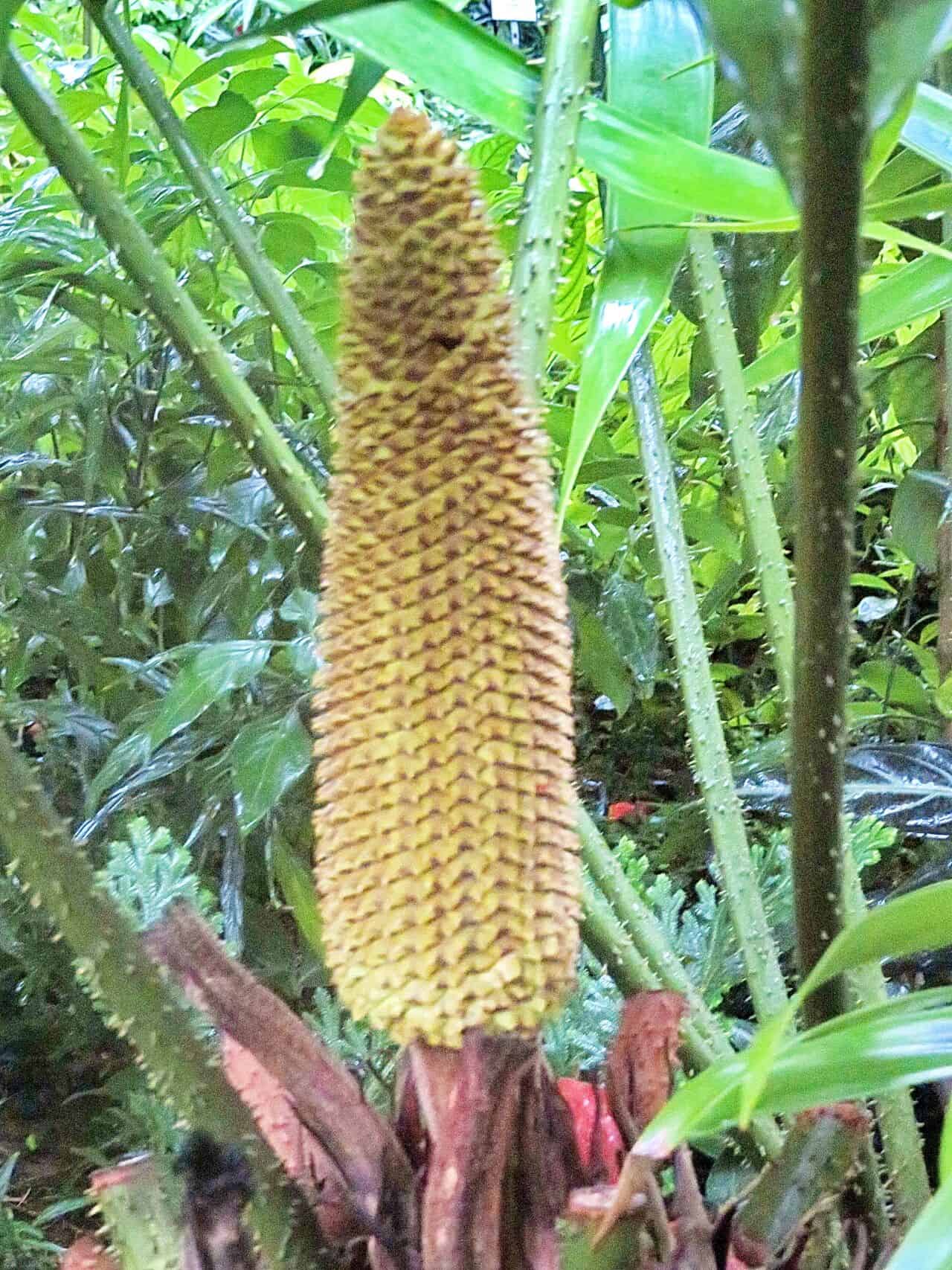
Unlocking the Secrets of Ceratozamia latifolia Propagation: A Guide for the Patient Gardener
The Ceratozamia latifolia, with its crown of broad, elegant leaves, speaks of ancient forests and prehistoric charm. Native to Mexico, this cycad species captivates collectors and plant enthusiasts alike. But propagating this fascinating plant can feel like unraveling an ancient mystery. While not for the faint of heart, successfully cultivating new Ceratozamia latifolia from seed offers a unique sense of accomplishment. This guide will delve into the specifics of propagating this magnificent cycad, empowering you to embark on this rewarding horticultural journey.
The Seed Route: A Test of Time and Patience
Propagation of Ceratozamia latifolia primarily happens through seeds, a process that requires dedication and a touch of horticultural zen. Unlike many common houseplants, cuttings or offsets aren’t viable options. Here’s a breakdown of the process:
1. Sourcing Your Seeds: Finding viable seeds is the crucial first step. Look for reputable online vendors specializing in cycads or rare plants. Ensure the seeds are fresh for higher germination rates.
2. Preparing for Germination:
- Soaking: Soak the seeds in lukewarm water for 24-48 hours. This softens the outer shell and encourages germination.
- Media Selection: Use a well-draining, slightly acidic potting mix. A mix of perlite, peat moss, and coarse sand works well.
- Planting: Sow seeds individually in small pots, burying them about their diameter deep.
3. The Waiting Game:
- Patience is Key: Ceratozamia latifolia seeds are notoriously slow to germinate. It can take anywhere from a few months to over a year.
- Optimal Conditions: Place the pots in a warm, humid environment with indirect sunlight. A seedling heat mat can be beneficial, maintaining a temperature around 75-85°F. Keep the soil consistently moist, but avoid waterlogging.
- Signs of Life: The first sign of successful germination will be a small crack in the seed coat, followed by a single, feathery leaf emerging. This first leaf is called a "protrusion," not a true leaf. The true leaves develop later.
4. Nurturing the Seedlings:
- Gradual Acclimation: Once the seedlings develop their first true leaves, gradually acclimate them to brighter light conditions.
- Watering: Water thoroughly when the topsoil dries out, but avoid overwatering, which can lead to root rot.
- Fertilizing: Once established, fertilize every two months during the growing season with a diluted, balanced fertilizer.
Additional Tips for Success:
- Hygiene: Sterilize all pots and tools before use to prevent fungal diseases.
- Patience, Patience, Patience: Don’t lose hope if the seeds take their time. Ceratozamia latifolia rewards the patient gardener.
The Rewards of Persistence:
Witnessing a Ceratozamia latifolia seedling develop is like watching a piece of prehistory come to life. Though a slow and demanding process, the journey of propagation offers a deep connection with the plant’s ancient lineage. With persistence and dedication, you can unlock the secrets of this ancient beauty, adding a touch of the Jurassic to your own plant sanctuary.