
Propagating Ceratozamia mexicana: A Challenge Worth Embracing
Introduction
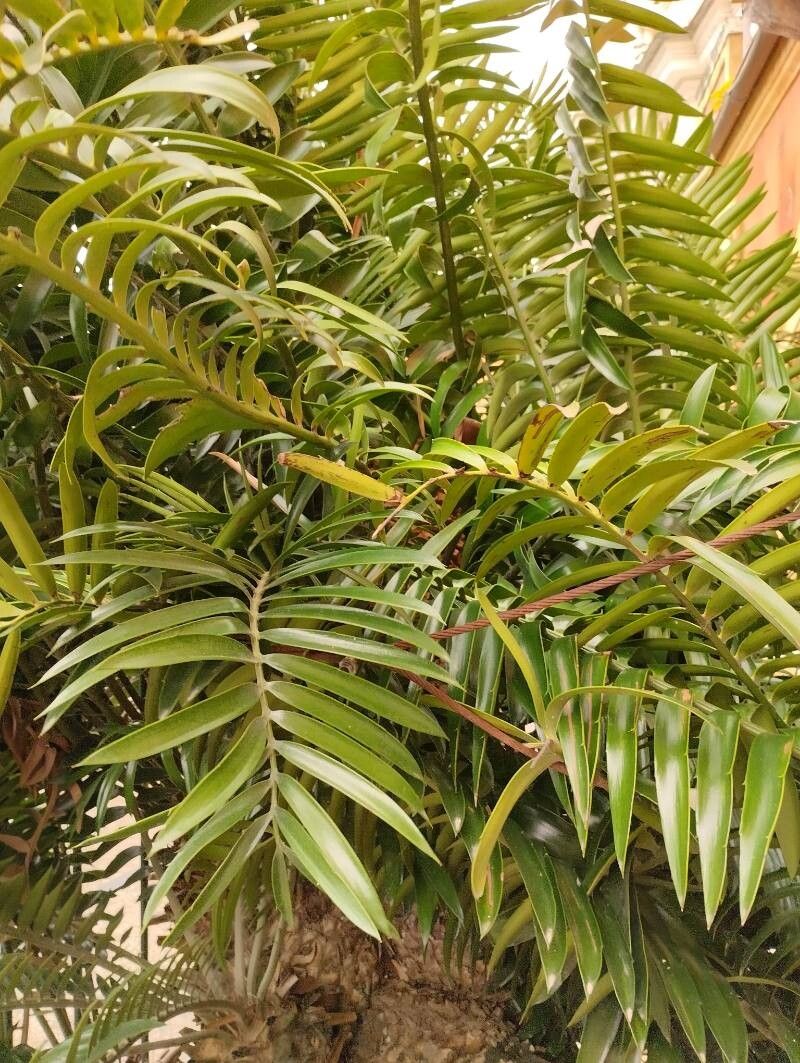
Ceratozamia mexicana, also known as the Mexican Ceratozamia, is a captivating cycad prized for its striking appearance. Its robust, often multi-trunked habit, deep green foliage adorned with stiff, sharply pointed leaflets, and overall architectural form make it a highly sought-after addition to both private gardens and botanical collections. However, its propagation presents a unique set of challenges, adding to its allure for dedicated plant enthusiasts. The rarity of this species in cultivation further emphasizes the importance of successful propagation techniques to ensure its conservation.
Seed Germination
Seed germination is a viable, albeit challenging, method for propagating Ceratozamia mexicana. The primary challenge lies in the relatively low germination rates and the sensitivity of the seeds to fungal diseases. Fresh seeds are crucial.
Challenges: Seeds often require a period of pre-sowing treatment. While specific stratification requirements for Ceratozamia mexicana are not extensively documented, mimicking natural conditions is key. This might involve a period of warm and moist storage followed by a cooler period, potentially mimicking seasonal temperature fluctuations.
Practical Tips: Sow seeds in a well-draining, sterile seed-starting mix. Maintain high humidity (e.g., using a humidity dome) and consistent warmth (around 25-30°C). Regularly inspect for fungal growth and promptly remove any affected seeds or seedlings. The use of a fungicide (following label instructions carefully) may be necessary.
Rewards: Successfully germinating Ceratozamia mexicana seeds offers the significant reward of genetic diversity, contributing to the overall health and resilience of the species. It also provides the potential for large-scale propagation, should you choose to share your success.
Cuttings
Currently, there are no known reliable methods for propagating Ceratozamia mexicana via cuttings. Cycads, in general, are notoriously difficult to propagate from cuttings due to their slow growth and susceptibility to rot.
Division
Division of established mature plants is a possible propagation method for Ceratozamia mexicana, but it’s limited by the availability of mature plants with sufficient offshoots.
Challenges: Dividing a mature plant can be stressful to the parent plant and requires significant expertise to ensure the survival of both the parent and the divided offspring. Improper division techniques can lead to infections and plant death.
Practical Tips: Division should only be attempted on healthy, mature specimens with well-developed offshoots. Use a sharp, clean tool to sever the offshoot, ensuring a clean cut to minimize the risk of infection. Treat the cut surfaces with a fungicide. Plant the divided portions in a well-draining, well-aerated substrate and provide consistent moisture, but avoid overwatering.
Rewards: Division is a relatively fast method of increasing the number of plants, producing mature specimens sooner than seed propagation. However, the method is limited by the availability of mature plants for division. Division of Ceratozamia mexicana would best be undertaken with professional guidance.
Tissue Culture
Tissue culture offers a potential avenue for large-scale propagation of Ceratozamia mexicana, though it requires specialized knowledge, equipment, and laboratory facilities.
Challenges: Developing a reliable tissue culture protocol for Ceratozamia mexicana requires extensive research and experimentation to determine the optimal media composition, growth regulators, and sterilization techniques. Contamination is a major hurdle in tissue culture.
Practical Tips: This method is best left to experienced tissue culture laboratories specializing in cycad propagation.
Rewards: Successful establishment of a tissue culture protocol would offer a significant advancement in Ceratozamia mexicana conservation, permitting large-scale clonal propagation and the opportunity for genetic research.
Conclusion
Propagating Ceratozamia mexicana presents unique challenges across all methods. While seed germination offers the advantage of genetic diversity, it requires patience and careful attention to detail to overcome low germination rates and fungal susceptibility. Division is limited by plant availability and requires skilled execution. Cuttings are currently not a viable option. Tissue culture holds promising potential but necessitates specialized knowledge and resources.
Despite the difficulties, the satisfaction of successfully propagating this magnificent cycad is immense. The journey itself, though challenging, provides a deep connection with this ancient plant and contributes to its preservation. The rewards, both horticultural and conservation-related, justify the effort invested. For aspiring propagators, we advise starting with seed germination, practicing meticulous hygiene, and, if feasible, consulting with experienced cycad growers or botanists. Remember, patience and persistence are paramount in cultivating this remarkable species.