
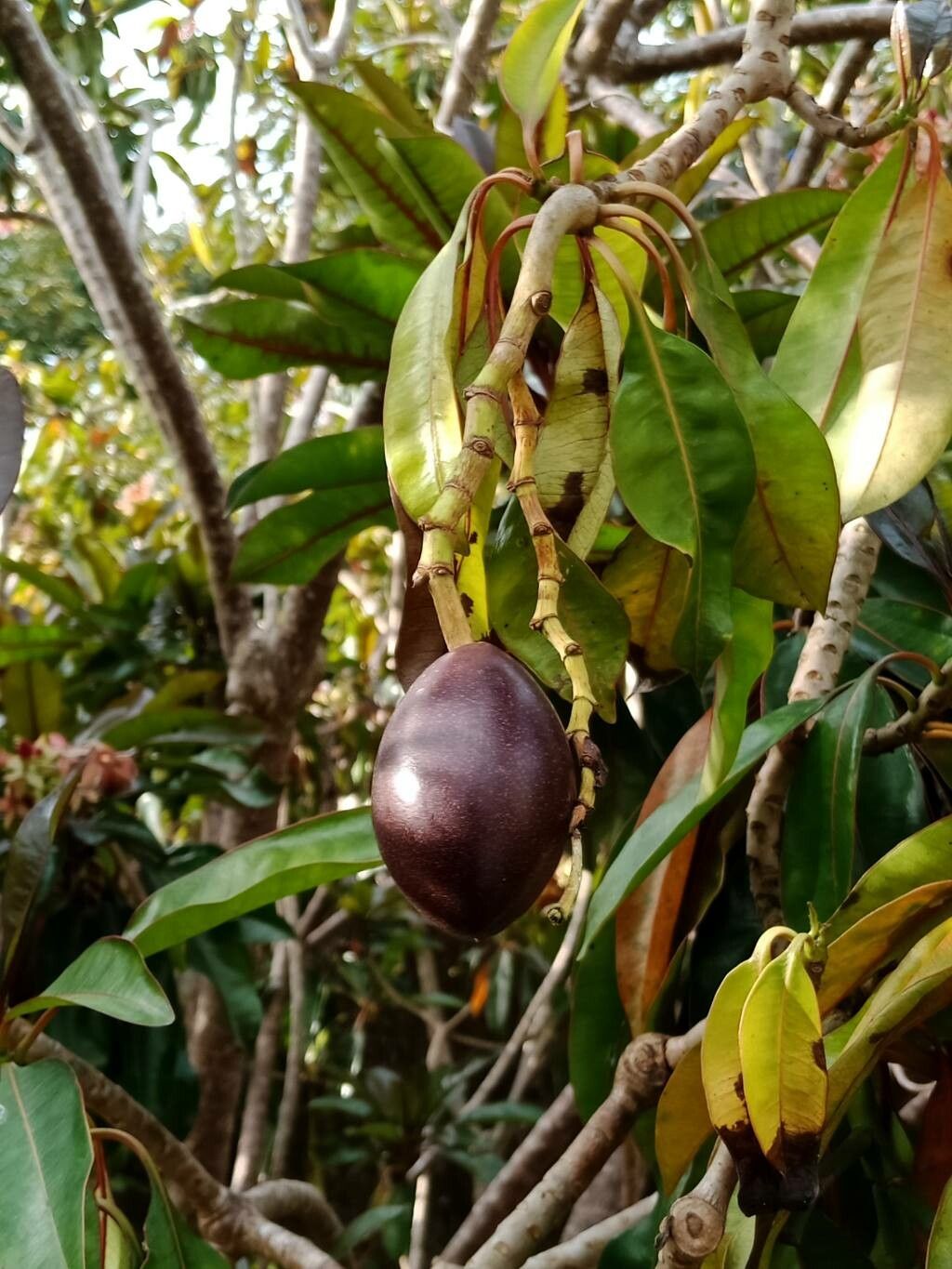
Propagating Cerbera manghas: The Challenges and Rewards of Growing Suicide Tree
Introduction:
Cerbera manghas, commonly known as Suicide Tree or Pong-Pong Tree, is a captivating tropical evergreen tree prized for its striking, fragrant flowers and glossy, dark green leaves. Its popularity among gardeners stems from its relatively low maintenance needs once established and its beautiful, albeit somewhat unusual, appearance. However, its common name reflects the highly toxic nature of its seeds, making it a crucial element to consider when handling this plant, especially during propagation. While several propagation methods are theoretically possible, their successful implementation presents unique challenges.
Seed Germination:
Currently, there are no known reliable methods for seed germination propagation of Cerbera manghas. While seeds are produced, their germination rate is notoriously low, and even when germination occurs, seedling survival is often poor. The seed coat’s hardness and the presence of potentially inhibiting compounds within the seed itself are likely contributing factors. Further research is needed to explore pre-treatments like scarification or stratification that might improve germination success.
Cuttings:
Cuttings are a more promising method for propagating Cerbera manghas. However, challenges remain.
Challenges: Success rates vary depending on the time of year and the specific cutting technique used. Difficulties include maintaining consistent humidity and temperature, preventing fungal infections, and ensuring proper rooting hormone application.
Practical Tips: Semi-hardwood cuttings taken in late summer or early autumn often show the best results. Use a sharp, sterile blade to take cuttings of approximately 6-8 inches, removing lower leaves to prevent rotting. Treat the cut ends with a rooting hormone and plant them in a well-draining, sterile potting mix. Maintain high humidity using a propagation dome or plastic bag, and ensure adequate indirect light. Bottom heat can also significantly improve rooting success.
Rewards: Cuttings offer a relatively quick way to propagate genetically identical plants, preserving desirable characteristics of a mother plant. This method is suitable for smaller-scale propagation.
Division:
Division is not a practical propagation method for Cerbera manghas. This tree develops a substantial, woody root system, making root division highly damaging and unlikely to result in viable plants.
Tissue Culture:
Tissue culture offers the potential for large-scale propagation of Cerbera manghas and may overcome the challenges associated with other methods.
Challenges: Tissue culture requires specialized equipment, sterile conditions, and expertise in plant tissue culture techniques. Developing effective protocols optimized for Cerbera manghas is crucial, and the process can be time-consuming and expensive.
Practical Tips: While detailed protocols are not readily available, employing standard tissue culture techniques with media formulations common for woody plants may provide a starting point. Experimentation with different growth regulators and media compositions will likely be necessary to achieve optimal results.
Rewards: Tissue culture offers high multiplication rates, allowing the production of a large number of genetically uniform plants, making large-scale propagation for landscaping or conservation purposes a possibility. It also allows for disease-free planting stock.
Conclusion:
Propagating Cerbera manghas presents significant challenges, with seed germination proving unreliable and division impractical. Cuttings offer a feasible method for smaller-scale propagation, but success requires attention to detail and careful technique. Tissue culture presents the most promising, albeit resource-intensive, approach for large-scale production. The rewards, however, are substantial: the chance to cultivate this striking and unusual tree, contributing to its preservation, and potentially providing a sustainable source for landscaping. The satisfaction of overcoming the inherent difficulties in propagating Cerbera manghas is a testament to the dedication and skill of the grower. Remember always to prioritize safety; handle the seeds and all parts of the plant with extreme care due to their toxicity. With careful planning and execution, successful propagation of this intriguing species is achievable, rewarding the patient cultivator with a truly unique addition to their garden.