
Unveiling the Secrets to Propagating the Elusive Cercis griffithii
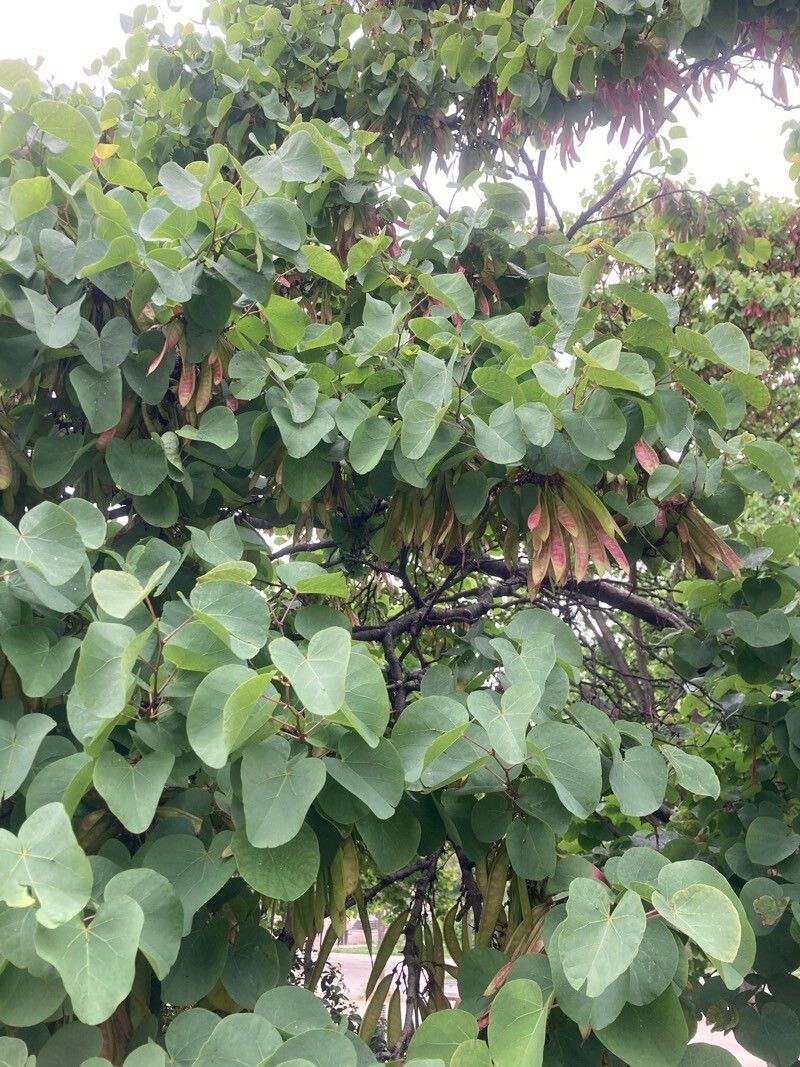
The Cercis griffithii, also known as the Afghan redbud, is a captivating sight with its vibrant pink blooms draped gracefully on bare branches. Native to Central Asia, this small tree or shrub brings a touch of exotic beauty to gardens worldwide. While readily available in nurseries, successfully propagating Cercis griffithii can be a rewarding endeavor for dedicated gardeners. Let’s delve into the secrets of coaxing new life from this botanical gem.
Understanding the Challenges
Propagating Cercis griffithii can be tricky compared to its more common cousin, the Eastern redbud (Cercis canadensis). Its seeds possess a hard seed coat and deeper dormancy, presenting a propagation hurdle for the impatient gardener. But fret not! With a bit of patience and the right techniques, you can increase your chances of success.
Method 1: The Patience of Seed Propagation
Seed Collection and Preparation: Collect mature seed pods in late summer or early fall when they turn brown. Scarify the seeds before sowing to break their dormancy. You can achieve this by gently nicking the seed coat with a nail file or soaking them in hot water (not boiling!) for a few hours.
Cold Stratification: This step mimics nature’s way of preparing the seeds for germination. Place the scarified seeds in a moist medium like vermiculite or sand, seal them in a plastic bag, and refrigerate for 60-90 days.
- Sowing the Seeds: After stratification, sow the seeds in a well-draining seed starting mix, covering them lightly with soil. Keep the soil consistently moist, and provide a warm, sunny location or grow lights. Germination might take several weeks, so be patient.
Method 2: Expediting Growth with Cuttings:
For faster results, propagate Cercis griffithii from softwood cuttings:
Timing is Key: Take cuttings in late spring or early summer from new growth that is pliable but not too tender.
Preparing the Cuttings: Select healthy stems and make a clean cut below a leaf node using sterilized pruning shears. Remove leaves from the lower half of the cutting and wound the base slightly to expose the cambium layer, which promotes root formation.
Hormone Boost: Dip the wounded end in rooting hormone powder to encourage faster root development.
Planting the Cuttings: Plant the cuttings in a moist, well-draining rooting mix. Cover the container with a clear plastic bag or use a humidity dome to maintain high humidity levels.
- Rooting Patience: Keep the cuttings in a bright location, out of direct sunlight. Rooting can take 4 to 8 weeks. Once roots develop, gradually acclimate the cuttings to outdoor conditions before transplanting them to their permanent location.
Nurturing Your New Protégés
Whether you choose seed propagation or cuttings, young Cercis griffithii require attentive care:
- Well-Drained Soil: Ensure proper drainage to prevent root rot.
- Ample Sunlight: Plant in a location that receives full sun to partial shade.
- Moderate Watering: Allow the soil to dry slightly between waterings.
- Protection from Frost: Young plants are particularly vulnerable to frost. Provide adequate winter protection in colder regions.
Propagating Cercis griffithii requires patience and dedication, but witnessing the emergence of new life from seed or cutting is a truly rewarding experience. By following these techniques and providing proper care, you can add the captivating beauty of the Afghan redbud to your own landscape and enjoy its stunning blooms for years to come.