
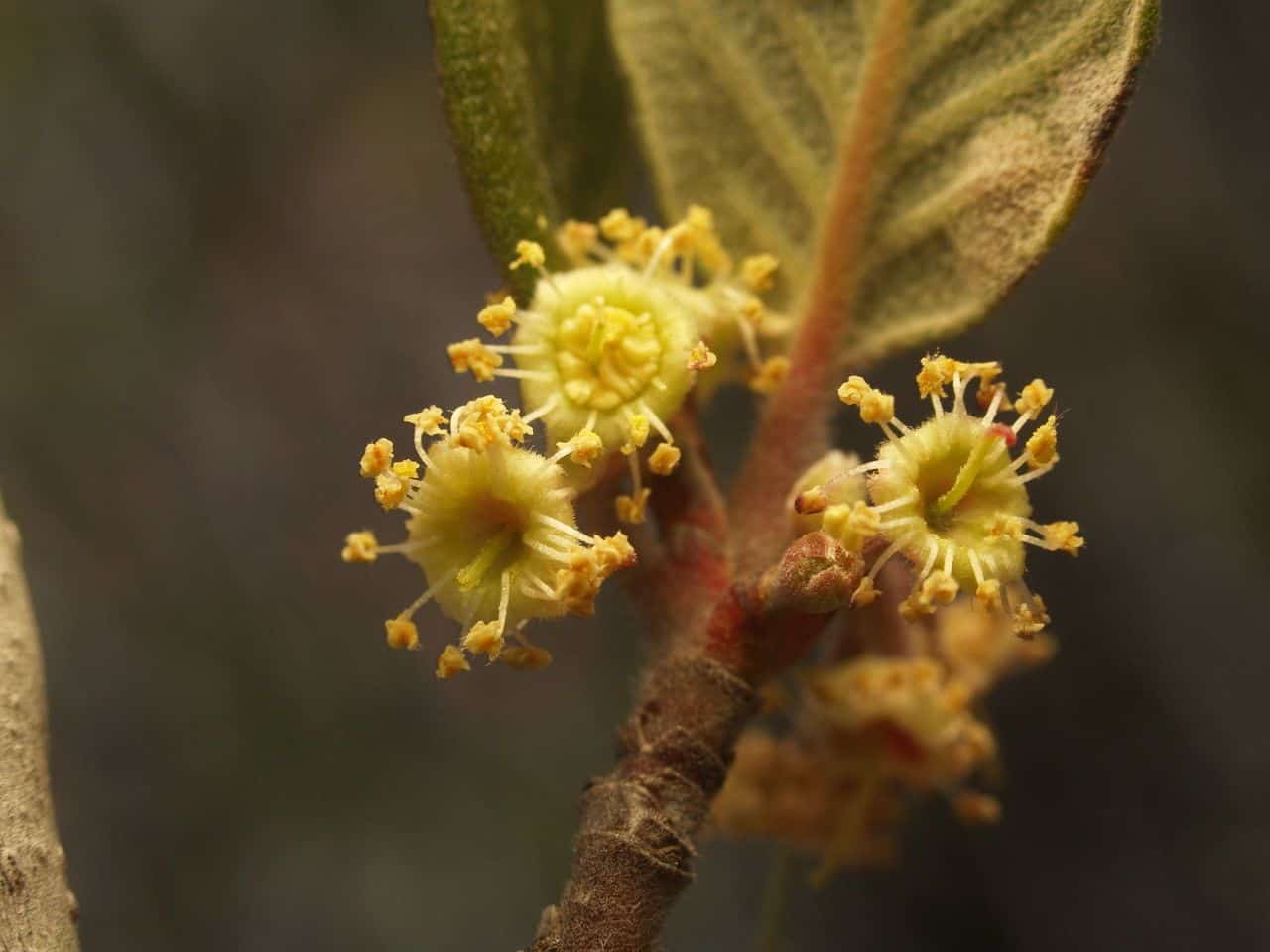
Taming the Wild Beauty: Propagating Mountain Mahogany (Cercocarpus fothergilloides)
The Mountain Mahogany (Cercocarpus fothergilloides), with its intriguing mahogany-like wood and resilience in harsh environments, might seem like a plant best admired from afar. But what if you could bring this wild beauty into your own garden? While it requires some patience and the right approach, propagating Mountain Mahogany is an immensely rewarding experience.
Understanding the Plant:
Before diving into propagation, it’s helpful to understand the plant itself. Mountain Mahogany isn’t a true mahogany but a member of the rose family. This deciduous shrub, native to the western United States, boasts leathery leaves, inconspicuous flowers, and fascinating feathery fruits that aid in seed dispersal.
Propagation Methods:
You have two primary options when it comes to propagating Cercocarpus fothergilloides:
1. Seed Propagation: The Path Less Traveled (But Worth It!)
While potentially challenging, growing Mountain Mahogany from seed offers a profound sense of accomplishment. Here’s how:
- Seed Collection: Harvest seeds in late summer or early fall when the feathery fruits turn brown. Each fruit contains a single seed.
- Seed Scarification: The seeds have a hard outer coating that requires scarification to improve germination rates. You can achieve this by gently rubbing the seed coat with sandpaper or soaking in hot water for 12-24 hours.
- Cold Stratification: Mimic nature’s process by placing the scarified seeds in a moist medium (like sand or vermiculite) and storing them in your refrigerator for 60-90 days. This cold period helps break dormancy.
- Sowing: In spring, sow the stratified seeds in a well-draining seed-starting mix, barely covering them with soil. Be patient, as germination can take several weeks.
- Transplanting: Once seedlings are a few inches tall and have developed a strong root system, transplant them into individual pots or directly into the ground after the last frost.
2. Cuttings: A Faster, More Predictable Approach
Taking cuttings is a quicker way to propagate Mountain Mahogany, although success rates can vary:
- Timing is Key: Take semi-hardwood cuttings in late summer, ideally from healthy, actively growing stems.
- Prepare the Cuttings: Cut a 4-6 inch section from the stem just below a leaf node. Remove the lower leaves, leaving 2-3 pairs at the top.
- Rooting Hormone: While not strictly necessary, dipping the cut end in rooting hormone can significantly increase success rates.
- Planting the Cuttings: Plant each cutting in a moist, well-draining potting mix. Cover the pot with a plastic bag to create a humid environment.
- Patience is Key: It can take several weeks or even months for roots to develop. Once the cutting shows signs of new growth, you can carefully transplant it.
Cultivating Success:
Whether you choose seed or cuttings, remember that Mountain Mahogany thrives in well-drained soil and full sun to partial shade. While drought-tolerant once established, provide regular watering during its first year.
Worth the Effort:
Propagating Mountain Mahogany might seem like venturing off the beaten path, but the journey is genuinely rewarding. By cultivating this remarkable plant, you’re not just adding visual interest to your landscape; you’re welcoming a piece of the wild, resilient spirit of nature into your own backyard.