
Propagating the Ethiopian Cereus: A Guide to Cultivating Cereus aethiops
Introduction:
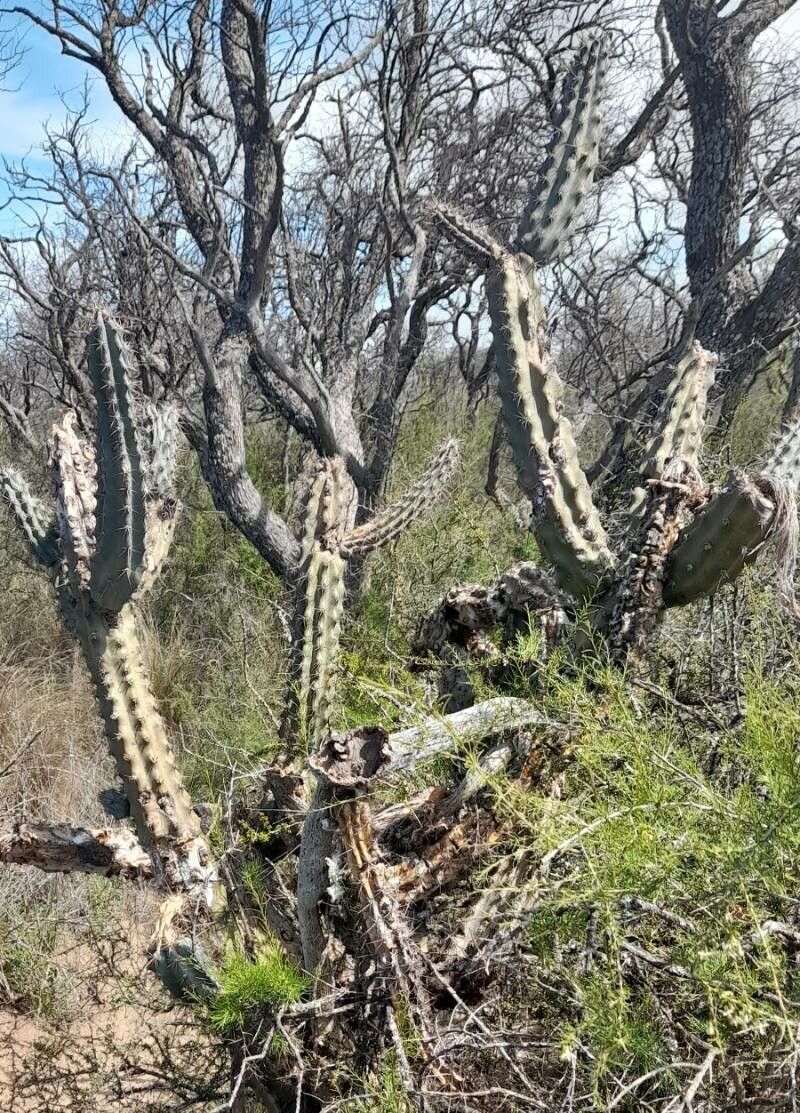
Cereus aethiops, also known as the Ethiopian Cereus or, less commonly, the black cereus, is a striking succulent cactus appreciated for its tall, columnar growth habit and dark, almost black, stems. Its visually arresting appearance makes it a popular choice among cacti enthusiasts, while its relatively easy care contributes to its widespread cultivation. However, propagating Cereus aethiops can present certain challenges, making successful propagation a rewarding experience. This article explores various methods, outlining both the difficulties and the rewards.
Seed Germination:
Currently, there are no known reliable methods for seed germination propagation of Cereus aethiops. While the plant does produce seeds, their germination rate is notoriously low and often unpredictable. Further research into specific germination requirements, such as temperature and light exposure, is needed to establish a reliable seed propagation technique.
Cuttings:
- Challenges: While cuttings offer a more reliable method than seed germination, success depends on proper technique. Improper preparation or care can lead to rot before rooting occurs.
- Practical Tips: Use sharp, clean tools to take stem cuttings of at least 6-8 inches long. Allow the cuttings to callous over for a week or two before planting in well-draining cactus potting mix. Plant the cuttings relatively deeply, ensuring some stem contact with the soil. Avoid overwatering and provide bright, indirect light. Root formation can take several weeks to months.
- Rewards: Cuttings offer a relatively quick and reliable method of propagating Cereus aethiops, allowing for faithful replication of the parent plant’s characteristics. This is particularly useful for preserving desirable traits.
Division:
- Challenges: Cereus aethiops doesn’t readily lend itself to division like some other cacti species. Older, larger plants may produce offshoots or pups at the base, potentially providing material for division. However, these are uncommon, meaning this method isn’t widely applicable.
- Practical Tips: If pups are present, carefully separate them from the mother plant using a clean, sharp knife or spade. Ensure each pup has some roots attached. Allow the separated pups to callous over before planting, mimicking the process for cuttings.
- Rewards: Division is a relatively straightforward propagation method when suitable offsets are available, minimizing stress on the mother plant and providing a quick way to increase plant numbers.
Tissue Culture:
- Challenges: Tissue culture is a highly specialized propagation method requiring sterile conditions, specific culture media, and specialized knowledge. Setting up and maintaining a tissue culture lab is expensive and demands expertise.
- Practical Tips: This method is best left to experienced professionals or well-equipped laboratories. It involves sterilizing plant material, culturing it on a nutrient-rich agar medium, and subculturing the resulting plantlets until they are large enough to be transferred to soil.
- Rewards: Tissue culture propagation allows for large-scale production of genetically identical plants – ideal for commercial propagation or conservation efforts. It enables more rapid multiplication than other methods.
Conclusion:
Propagating Cereus aethiops presents diverse challenges depending on the chosen method. While seed germination remains unreliable, cuttings prove a more practical option for most home propagators. Division is limited by the infrequent production of offshoots, and tissue culture requires specialized equipment and knowledge. The rewards, however, are substantial, ranging from the satisfaction of creating new plants to the possibility of large-scale production. Successfully nurturing a Cereus aethiops from a cutting or a division, overcoming the challenges inherent in its propagation, provides a unique sense of achievement and deepens one’s appreciation for this fascinating plant. Don’t be discouraged by initial setbacks; patience and persistence are key to success in propagating this striking cactus. Choose the method that best suits your skill level and resources, and enjoy the journey!