
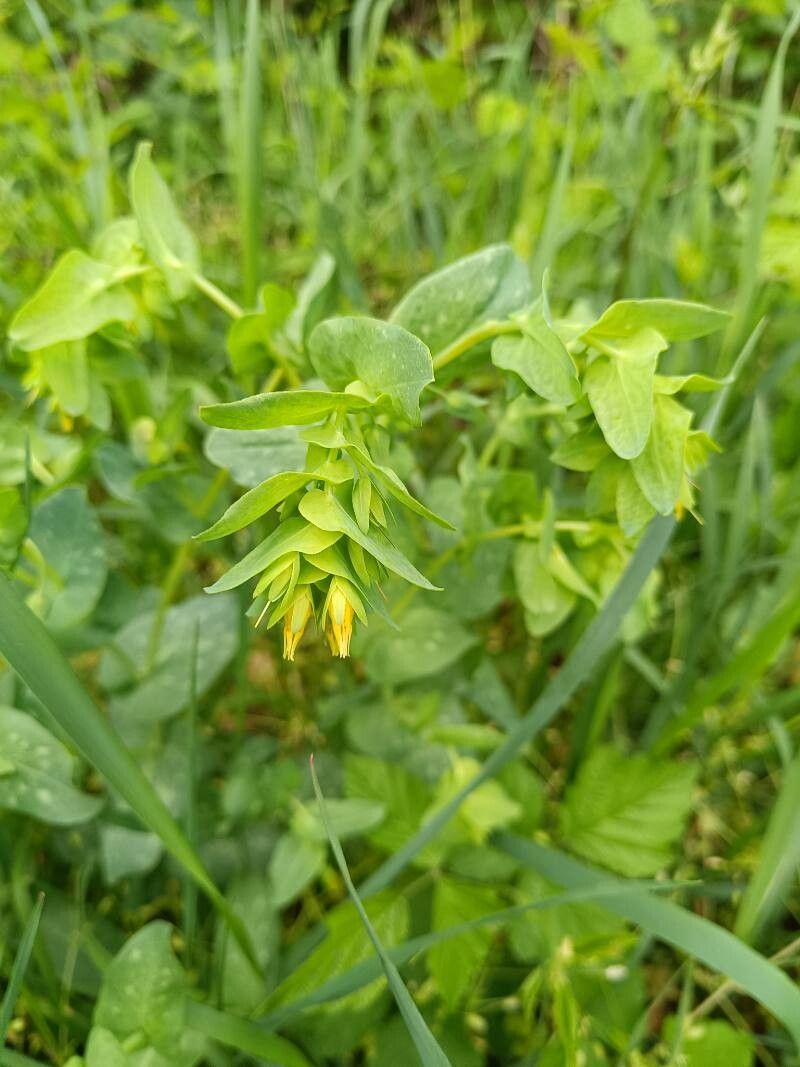
Honeywort Propagation: Sow the Seeds of Enchantment
Cerinthe minor, affectionately known as Honeywort, is a charming annual that enchants gardeners with its drooping clusters of purple-blue flowers and glaucous foliage. While readily available at nurseries, propagating your own Honeywort is a rewarding endeavor. With its relatively straightforward nature, you can easily multiply your stock and enjoy this captivating plant year after year.
Two main methods prove successful for Honeywort propagation: seed sowing and cuttings.
1. Seed Sowing: A Symphony of Simplicity
Propagating Honeywort from seed is by far the easiest and most common method. Follow these steps to cultivate a vibrant display:
- Timing is Everything: Sow indoors 6-8 weeks before the last frost for early blooms, or sow directly in the garden after the danger of frost has passed.
- Preparing the Seedbed: Honeywort prefers well-draining soil. For indoor sowing, use seed trays filled with a light, airy seed starting mix. For direct sowing, loosen the soil and amend with compost.
- Sowing with Care: Scatter seeds thinly over the surface, lightly pressing them into the soil. Aim for a depth of ¼ inch.
- The Waiting Game: Cover the seeds lightly with soil and mist gently to keep the medium moist but not waterlogged. Indoors, maintain a temperature of 65-70°F (18-21°C).
- Germination Delight: You can expect germination within 10-14 days. Once seedlings emerge, thin them to about 12 inches apart to provide ample space for growth.
2. Cuttings: Cloning Your Floral Treasures
While slightly more involved, taking cuttings allows for the exact replication of a specific Honeywort plant, preserving its unique characteristics. Here’s how:
- Choose Wisely: Select healthy, non-flowering stems in early summer. Ideally, choose stems that are approximately 4-6 inches long.
- Clean Cut: Using a sharp, sterilized knife or pruning shears, make a clean cut just below a leaf node.
- Hormonal Boost (Optional): While not strictly necessary, dipping the cut end in rooting hormone powder can promote faster and more successful rooting.
- Planting the Cutting: Insert the cutting into a well-draining potting mix, burying at least one leaf node.
- Creating a Humid Environment: To encourage rooting, maintain high humidity levels. You can achieve this by placing a plastic bag or cloche over the pot.
- Patience is Key: Keep the soil consistently moist and wait patiently for 4-6 weeks. Once roots develop, you can transplant your new Honeywort plant to a larger pot or your garden.
Nurturing Your Honeywort: Tips for Thriving Plants
Regardless of your chosen propagation method, providing optimal growing conditions is crucial for flourishing Honeywort:
- Sunlight Serenade: Honeywort thrives in full sun to partial shade. Aim for at least 4-6 hours of sunlight per day.
- Well-Drained Delight: Choose a location with well-drained soil to prevent root rot.
- Water Wisely: Water regularly, especially during dry periods, but avoid overwatering.
- Deadhead Dreams: Removing spent flower heads will encourage bushier growth and prolong the blooming period.
Honeywort’s delicate beauty and effortless charm make it a coveted addition to any garden. By mastering the art of propagation, you can ensure a captivating display of these floral treasures year after year. So, roll up your sleeves, get your hands dirty, and let the enchanting world of Honeywort propagation unfold in your own backyard.