
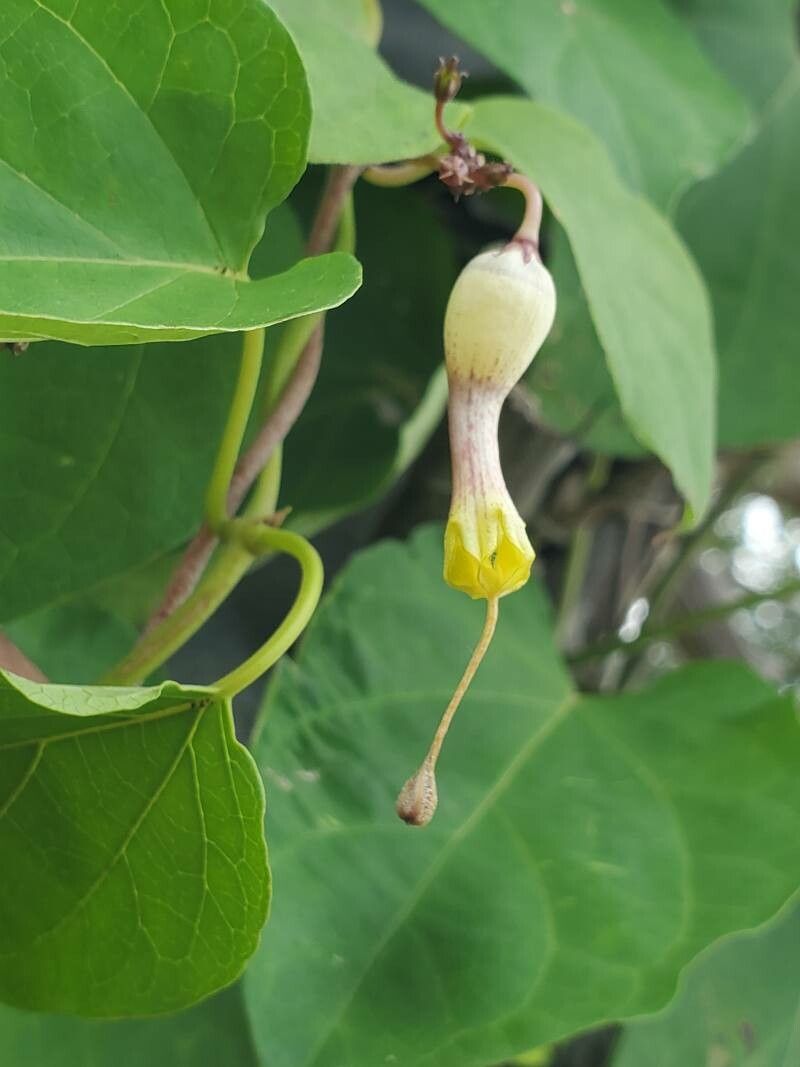
Chain of Hearts: Easy Propagation for a Dazzling Vine
The Ceropegia rhynchantha, affectionately known as the “Chain of Hearts,” is a captivating plant with heart-shaped leaves that dangle gracefully, resembling a cascade of tiny hearts. This unique beauty is not just a pleasure to behold, but also a relatively easy plant to propagate.
Whether you have an existing Chain of Hearts that you want to multiply or you’re eager to bring a new one home, the process of propagation is surprisingly simple and offers a rewarding hands-on experience.
Understanding the Basics:
Propagation is the process of creating new plants from existing ones. For the Chain of Hearts, this can be done using cuttings, which are essentially pieces of the plant’s stem.
Methods of Propagation:
There are two main methods for propagating Ceropegia rhynchantha:
- Stem Cuttings: This is the most common and straightforward method. Simply cut a healthy stem section with a sharp, clean knife or scissors. The cutting should ideally have at least two nodes – the points where leaves sprout – with several leaves between them.
- Leaf Propagation: Although less common, Chain of Hearts can also be propagated using a single leaf. The process involves cutting the leaf close to the stem and inserting it into a propagation medium such as soil or water. However, leaf propagation is typically slower than stem cutting.
Step-by-Step Guide to Stem Cutting Propagation:
Gather your materials: You will need a sharp knife or scissors, a container with drainage holes, potting mix (a blend of soil and perlite is ideal), and a clear plastic bag or dome for covering.
Prepare the cuttings: Choose healthy-looking stems, and cut them cleanly just below a node. Remove any leaves below the soil line.
Dip in rooting hormone (optional): While not mandatory, dipping the cut end of the stem in rooting hormone can encourage root development.
Plant the cutting: Fill your container with potting mix, leaving some space at the top. Make a small hole in the soil and insert the cutting, ensuring the cut end is buried, and the nodes are above the soil line.
Water and cover: Water the soil thoroughly, allowing excess water to drain. Cover your container with a clear plastic bag or dome to create a humid environment. This helps to retain moisture and promote root growth.
Provide indirect light: Place your container in a bright location, but avoid direct sunlight, which can scorch the leaves.
Monitor and mist: Check the soil moisture regularly, adding water when the top layer feels dry. Mist the cuttings daily to maintain humidity.
Patience is key: Root development can take several weeks. You will notice new growth above the soil line, signaling that roots are forming.
Gradually introduce to light: Once you notice new growth, gradually acclimatize your propagated plants to more ambient light by removing the plastic cover for increasing periods.
- Repot: Once the roots are established, you can transplant your new Chain of Hearts into a larger pot with fresh potting mix.
Tips for Success:
- Sanitize: Always clean your tools before and after propagation to avoid spreading diseases.
- Use fresh potting mix: Avoid reusing old potting mix, as it can harbor pests and diseases.
- Monitor for pests: Keep an eye out for aphids and mealybugs, which are common pests for Chain of Hearts.
- Experiment with different propagation methods: Both stem and leaf propagation can work. Observe what works best for your specific plant and conditions.
With a little patience and dedication, you can enjoy the rewarding experience of propagating your own Chain of Hearts. Not only will this give you a new plant, but it will also allow you to share this beautiful vine with friends and family. So, grab your scissors, and let the heart-shaped magic unfold!