
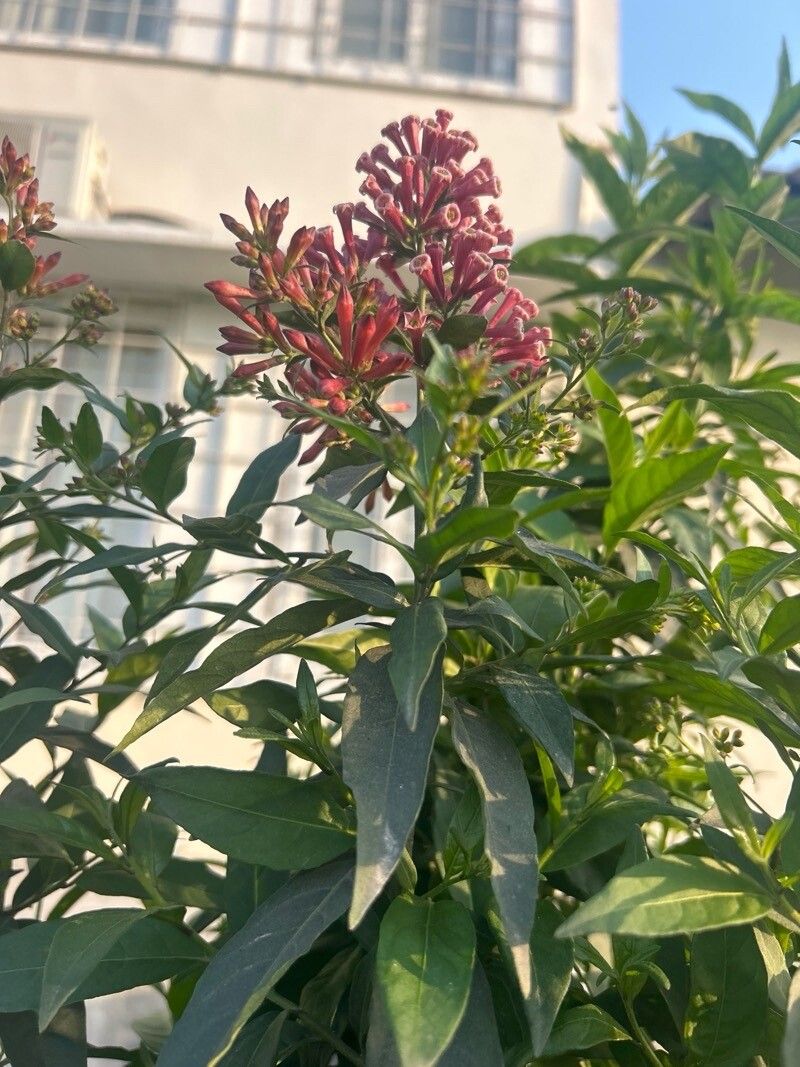
Blooming Brilliance: How to Propagate Cestrum fasciculatum (Early Jessamine)
Cestrum fasciculatum, more commonly known as Early Jessamine, is a captivating plant with clusters of vibrant red-orange, tubular flowers that lend a touch of tropical charm to any garden. This fast-growing evergreen shrub, native to Mexico and Central America, blooms profusely throughout the year, attracting hummingbirds and butterflies with its nectar-rich blossoms.
If you’re looking to expand your garden’s beauty or share the joy of Early Jessamine with others, propagation is a rewarding endeavor. Luckily, propagating Cestrum fasciculatum is relatively straightforward, and this guide will provide you with two effective methods:
1. Propagation from Stem Cuttings:
This is the most common and reliable way to propagate Early Jessamine. Here’s a step-by-step guide:
- Timing is Key: The best time to take cuttings is during the active growing season, ideally in late spring or early summer.
- Select Healthy Stems: Choose non-flowering stems that are young and vigorous, approximately 4-6 inches long. Avoid older, woody stems as they tend to root less successfully.
- Prepare the Cuttings: Using a sharp, sterilized knife or pruning shears, make a clean cut just below a leaf node (the point where a leaf emerges from the stem). Remove the leaves from the lower two-thirds of the cutting, leaving a few at the top.
- Encourage Root Development: Dip the bottom inch of the cutting in rooting hormone powder to stimulate faster root growth (optional but recommended).
- Potting Mix and Planting: Prepare a well-draining potting mix specifically formulated for cuttings. Insert the bottom third of the cutting into the mix, ensuring the leaf nodes are covered.
- Create a Humid Environment: Cover the pot with a clear plastic bag or place it in a propagator to maintain high humidity, which is crucial for root development.
- Location and Care: Place the pot in a warm, bright location, but out of direct sunlight. Keep the soil consistently moist but not soggy.
- Rooting Success: Within 4-6 weeks, you should start seeing new growth, indicating that roots have developed. Once the cuttings are well-rooted, you can transplant them into larger individual pots or directly into your garden.
2. Propagation from Seed:
While slightly less common than cuttings, propagating Early Jessamine from seed is still achievable with a bit of patience. Here’s how:
- Seed Collection: Collect ripe berries from the plant. Allow the berries to dry completely before extracting the seeds.
- Seed Preparation (Optional): Soak the seeds in warm water for 24 hours to improve germination rates.
- Sowing the Seeds: Plant the seeds in seed-starting mix, barely covering them with soil.
- Provide Warmth and Moisture: Keep the seed tray in a warm, bright location. Water regularly, maintaining consistent moisture but avoiding overwatering.
- Germination Time: Germination can take anywhere from a few weeks to a couple of months. Be patient and continue to provide optimal conditions.
- Transplanting Seedlings: Once the seedlings have grown a few inches tall and developed a strong root system, transplant them into larger pots or your garden.
Important Considerations:
- Toxicity: Keep in mind that all parts of Cestrum fasciculatum are considered toxic if ingested by humans and animals. Wear gloves when handling the plant and wash your hands thoroughly afterward.
- Invasive Potential: In certain regions, Early Jessamine can become invasive due to its rapid growth. Check with your local authorities regarding its invasive status in your area.
Propagating your own Cestrum fasciculatum is a rewarding experience that allows you to multiply these stunning plants and amplify their beauty in your surroundings. With the right approach and a sprinkle of patience, you can enjoy the vibrant blooms and sweet fragrance of Early Jessamine for years to come.