
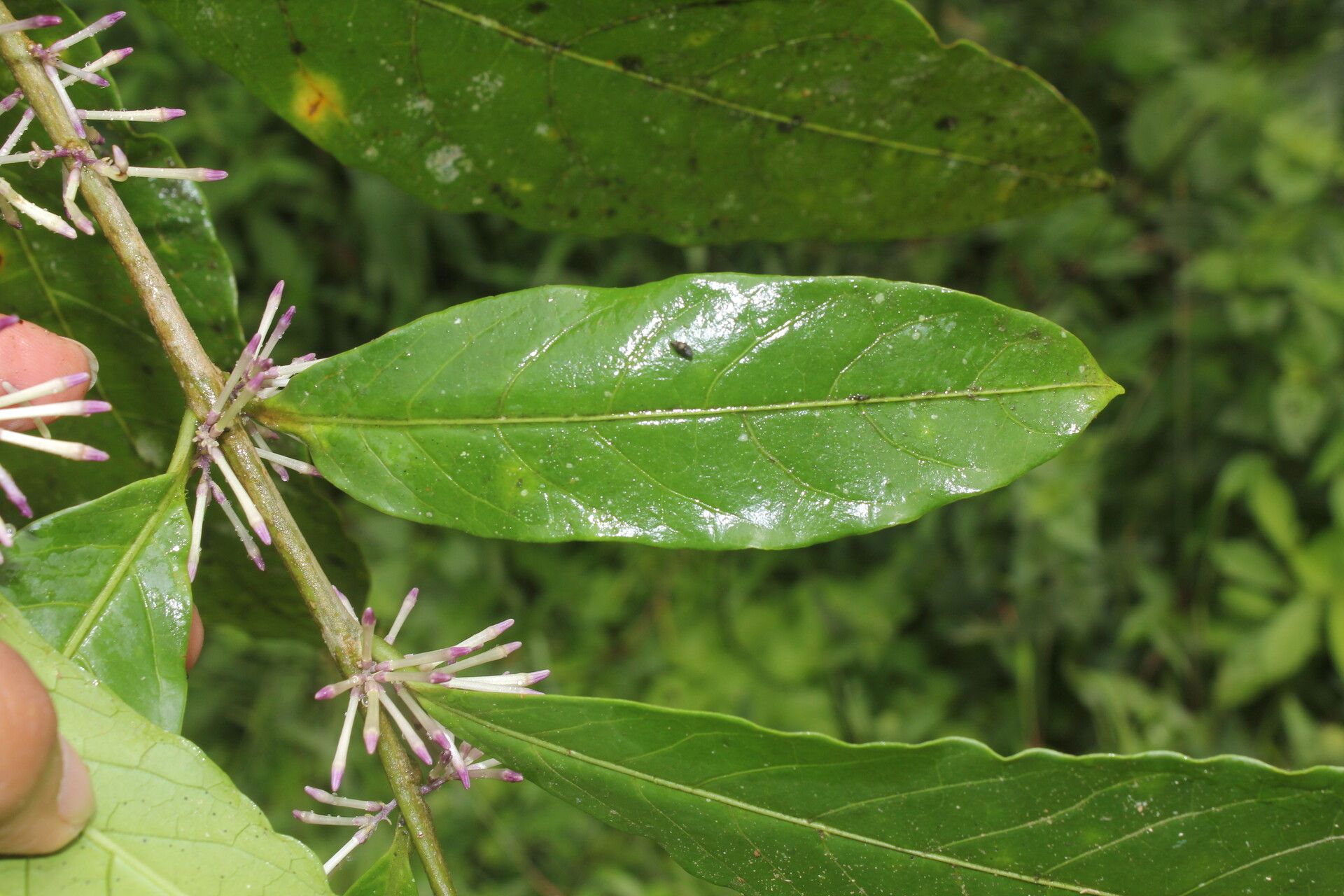
Unleashing the Night-Blooming Jasmine: A Guide to Propagating Cestrum schlechtendalii
The Cestrum schlechtendalii, also affectionately known as the Night-Blooming Jasmine, is a captivating beauty. Its fragrant, star-shaped blooms unfurl in the evening, filling the air with a sweet, intoxicating aroma. But beyond its enchanting fragrance, this plant also has a delightful secret: it’s incredibly easy to propagate.
Whether you’re a seasoned gardener or a beginner looking to expand your green thumb, you can easily multiply these magical plants using various methods. Let’s dive into the world of Cestrum schlechtendalii propagation and unlock the secrets to growing more of these fragrant treasures.
1. Taking Cuttings: A Simple Approach
Take softwood cuttings in the spring or summer when the plant is actively growing. Here’s how:
- Choose a healthy stem: Select a non-flowering, healthy stem and cut it just below a leaf node with a sharp, clean knife or shears.
- Prepare the cutting: Remove the leaves from the bottom 2-3 inches of the stem, leaving a smooth, bare section.
- Rooting medium: Fill a small pot or tray with a well-draining rooting mix like perlite, vermiculite, or a pre-made rooting solution.
- Dip & Plant: Dip the cut end of the stem in rooting hormone powder and plant it in the rooting medium, leaving a few inches above the soil.
- Cover & Care: Cover the pot with a clear plastic bag or dome to create a humid environment and place it in bright, indirect light. Keep the rooting medium consistently moist.
2. Air Layering: Success Guaranteed
Air layering is another effective technique for multiplying your Cestrum schlechtendalii. It’s a bit more involved but offers a higher success rate:
- Choose a suitable branch: Select a healthy branch, preferably one that’s about 1 year old and flexible.
- Make an incision: Carefully cut a strip of bark about 2 inches long on the branch.
- Moisten & cover: Apply rooting hormone powder to the exposed section, and moisten it with water. Wrap the area with moist sphagnum moss and secure it with plastic wrap or aluminum foil.
- Time & Care: Keep the moss consistently moist, and within a few months, roots should start developing. Once you see new growth from the moss, you can clip the layered section below the roots and plant it in a pot.
3. Seeds: A Long-term Option
While Cestrum schlechtendalii readily propagates through cuttings and layering, growing from seed is a longer process that requires patience.
- Collect the seeds: Collect the ripe seeds from the mature fruits.
- Prepare the soil: Sow the seeds in a seed tray filled with a well-draining seed-starting mix.
- Germination: Keep the soil consistently moist and warm (around 70-75°F). Germination can take several weeks.
Tips for Success:
- Choose the right soil: Use a well-draining mix to prevent root rot.
- Provide adequate light: Place your cuttings or air layers in a bright, indirect location.
- Maintain humidity: Keep the humidity levels high, especially when rooting cuttings or air layers.
- Patience is key: Propagation takes time, so be patient and consistent with your care.
Beyond the Basics:
Once your newly propagated Cestrum schlechtendalii has established itself, it’s time to nurture it. These plants prefer a sunny location with well-drained soil. Remember to water regularly, especially during dry spells, and fertilize lightly throughout the growing season.
With a little effort and some basic knowledge, you can easily propagate your own Cestrum schlechtendalii. Soon, you’ll be enjoying the enchanting fragrance of these night-blooming wonders throughout your garden or home!