
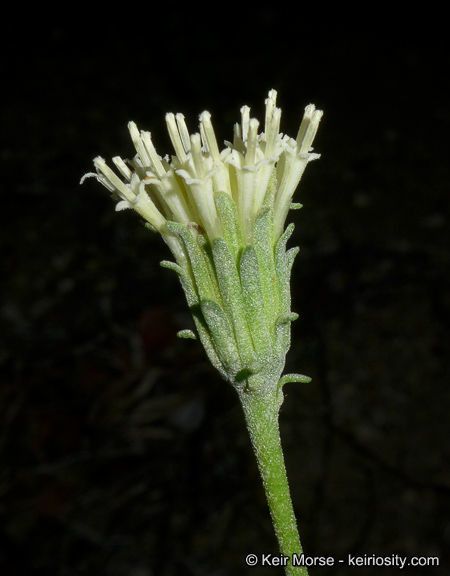
Taming the Tiny Wildflower: Growing Chaenactis parishii From Seed
The Mojave Desert, with its stark beauty and harsh conditions, is home to some truly fascinating plants. Among them is the delicate yet resilient Chaenactis parishii, also known as Parish’s pincushion. This charming wildflower, with its fern-like foliage and captivating, pincushion-shaped blooms, can add a touch of desert charm to your own garden. However, cultivating this wild beauty requires a bit of patience and a touch of finesse.
This guide will walk you through the intricacies of propagating Chaenactis parishii from seed, allowing you to successfully introduce this extraordinary plant to your home.
Understanding Chaenactis parishii’s Preferences:
Before embarking on your propagation journey, it’s crucial to understand what makes Chaenactis parishii thrive. This wildflower thrives in the well-drained, sandy or gravelly soils typical of its desert home. Full sun is a must, along with good air circulation. Mimicking these conditions in your garden is key to successful propagation and cultivation.
Sourcing Your Seeds:
While you might not find Chaenactis parishii seeds at your local nursery, specialized online retailers and seed exchanges often offer this desert gem. Ensure you’re sourcing seeds from a reputable supplier to maximize your chances of success.
Two Approaches to Germination:
Chaenactis parishii seeds can be a bit finicky, with germination rates varying greatly. Here are two approaches you can take:
Direct Sowing: This method, mimicking the natural seeding process, involves sowing seeds directly into your garden bed. Prepare a well-drained seedbed, loosen the soil, and scatter the seeds thinly on the surface. Gently press them into the soil, but avoid burying them too deep, as they require light for germination.
- Starting Indoors: For a higher success rate, consider starting your seeds indoors several weeks before the last expected frost. Use a well-draining seed starting mix and sow your seeds in shallow trays. Cover the trays with a humidity dome or plastic wrap to maintain moisture and warmth.
Patience is Key for Germination:
Chaenactis parishii seeds can take anywhere from a few weeks to several months to germinate, and uneven germination is common. Don’t be discouraged if you don’t see sprouts immediately. Maintain consistent moisture, warmth, and bright light (indoors) to encourage successful germination.
Transplanting Seedlings:
Once your seedlings have developed a few sets of true leaves, they can be transplanted to their permanent outdoor location. Be gentle when handling the delicate seedlings and ensure the soil is well-drained and amended with sand or gravel. Water your newly transplanted seedlings deeply and provide some shade during the hottest parts of the day while they acclimate to their new environment.
Caring for Your Chaenactis parishii:
Once established, Chaenactis parishii is relatively low-maintenance. Water sparingly, allowing the soil to dry out completely between waterings. Deadheading spent blooms can encourage more flowering, but leave some to go to seed for a chance at self-sowing.
Reaping the Rewards:
With a bit of patience and effort, you can successfully grow these charming wildflowers from seed. Their delicate foliage and unique blooms, appearing from spring to early summer, will add a touch of untamed desert beauty to your garden, attracting pollinators and sparking curiosity.
So why wait? Embark on your propagation adventure today and experience the joy of cultivating these captivating desert treasures in your own backyard.