
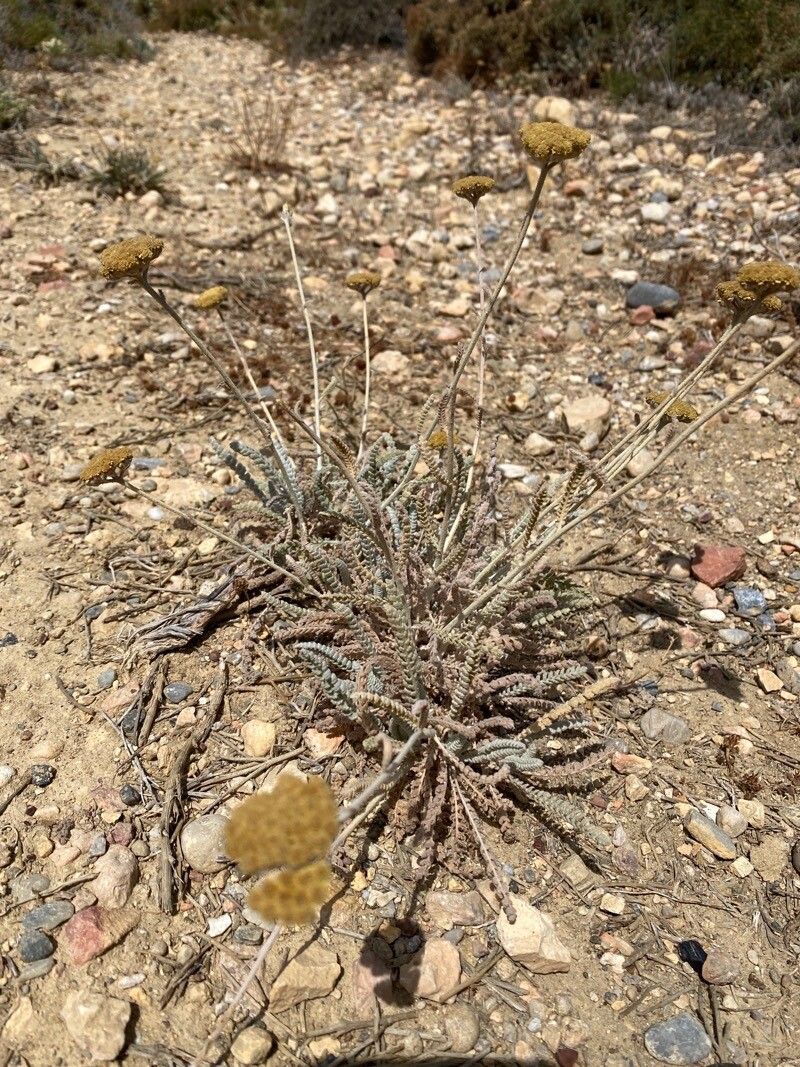
Taming the Desert Pincushion: Propagating Chaenactis santolinoides
The Chaenactis santolinoides, affectionately nicknamed the “Desert Pincushion,” is a captivating wildflower native to the western United States. With its delicate, fern-like foliage and cheerful, button-shaped blooms that resemble tiny pincushions, this drought-tolerant beauty can add a touch of desert charm to any garden. But how do you go about bringing this wildflower in from the wild (figuratively)? Let’s delve into the rewarding world of propagating Chaenactis santolinoides.
Two Roads to Success: Seeds and Cuttings
The Desert Pincushion offers two primary paths for propagation: seeds and cuttings.
1. Seed Starting: Embracing the Cycle of Life
Starting Chaenactis santolinoides from seed offers a fulfilling experience that connects you with the plant’s lifecycle. Here’s the breakdown:
- Timing is Everything: Aim to sow your seeds in late fall or early winter, mimicking their natural growth cycle in the wild.
- Well-Drained Soil is Key: These desert dwellers detest soggy roots, so opt for a well-draining seed starting mix.
- Light is Life: Sprinkle the seeds on the soil surface and gently press them in. Don’t bury them; they need light to germinate.
- Patience, Young Padawan: Germination can be a bit fickle and slow, often taking anywhere from a few weeks to a couple of months. Be patient and keep the soil lightly moist.
- Transplanting with Care: Once your seedlings develop a few sets of true leaves, they’re ready for their own pots or a sunny spot in your garden. Remember to harden them off gradually by slowly acclimating them to outdoor conditions.
2. Taking Cuttings: A Shortcut to Success
If you’re seeking a quicker route to propagation, cuttings offer a faster option:
- Timing is Crucial: Take your cuttings from new growth in the spring before the plant flowers.
- The Right Cut: Choose healthy stems and make a clean cut just below a node (the point where leaves grow).
- Hormone Boost: While not strictly necessary, dipping your cuttings in rooting hormone can significantly increase your success rate.
- Creating the Right Environment: Place your cuttings in a well-draining potting mix and keep the humidity high. A cloche or a simple plastic bag over the pot can help create a mini greenhouse effect.
- Signs of Success: Within a few weeks, you should start to see new growth, indicating your cuttings have successfully rooted.
Caring for Your Desert Delights
Once established, Chaenactis santolinoides are relatively low-maintenance. They thrive in full sun to partial shade and prefer well-draining soil. Water sparingly, allowing the soil to dry out completely between waterings. Deadhead spent blooms to encourage bushier growth and potentially a second flush of blooms.
Adding a Touch of the Wild
Propagating your own Chaenactis santolinoides isn’t just economically savvy; it’s a rewarding way to cultivate these beautiful wildflowers. Whether you choose to start from seed or experiment with cuttings, the joy of watching these desert gems thrive in your garden is a truly gratifying experience.