
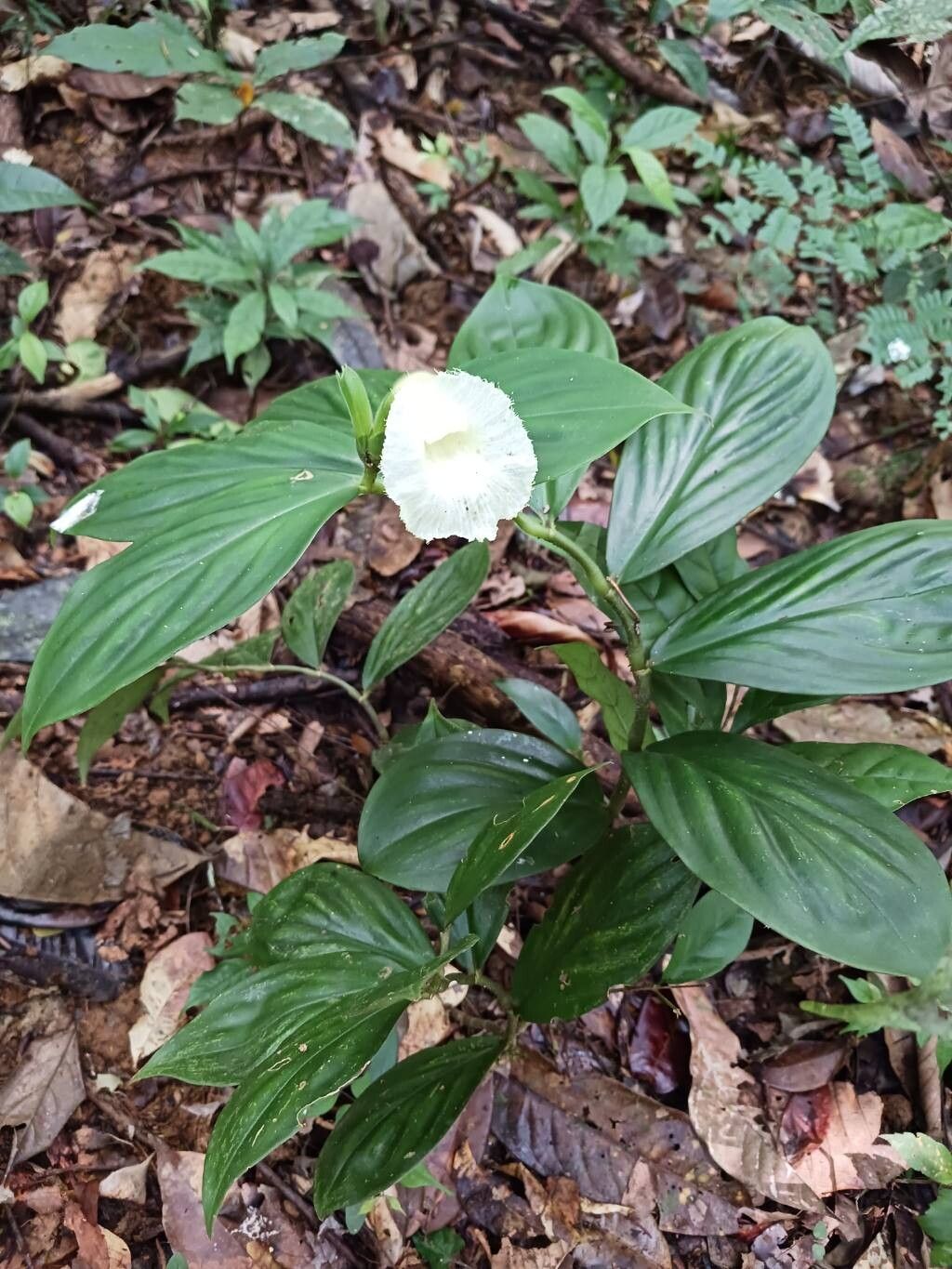
Propagating the Creeping Spiral Ginger (Chamaecostus congestiflorus): A Gardener’s Guide
Introduction:
Chamaecostus congestiflorus, commonly known as Creeping Spiral Ginger, is a captivating tropical plant prized for its striking spiral inflorescences and attractive foliage. Its vibrant, often orange or red, flower bracts unfurl in a spiral formation, offering a unique visual spectacle in gardens and landscapes. Its relatively compact size and tolerance of shade make it a popular choice among gardeners, although its propagation can present some challenges. This article explores various methods for propagating this beautiful plant, highlighting their respective pros and cons.
Seed Germination:
Currently, there are no known reliable methods for seed germination propagation of Chamaecostus congestiflorus. While the plant does produce seeds, their viability and germination rate are exceptionally low, rendering seed propagation impractical for most home gardeners. Further research into specific germination requirements might be necessary to unlock this potential method in the future.
Cuttings:
Cuttings offer a more reliable propagation method for Chamaecostus congestiflorus.
Challenges: Success with stem cuttings depends on providing optimal humidity and warmth to prevent desiccation. Root development can be slow.
Practical Tips: Take stem cuttings of about 4-6 inches long, ensuring at least one node is present. Remove lower leaves that would be submerged in the rooting medium. Use a well-draining rooting mix (such as perlite and peat moss) and maintain high humidity (e.g., using a humidity dome or propagating tray). Bottom heat can significantly improve rooting success. Hormone rooting powder can also increase the chances of success.
Rewards: Relatively quick propagation compared to division. Allows for the creation of multiple plants from a single mother plant, preserving desirable traits.
Division:
Division is a straightforward and highly successful method for propagating Creeping Spiral Ginger.
Challenges: Requires an established, mature plant with sufficient rhizomes. Care must be taken to avoid damaging the rhizomes during the division process.
Practical Tips: Divide the plant during its dormant period (if applicable in your climate) or during spring. Carefully dig up the plant, gently separating the rhizomes into sections, each with multiple shoots and healthy roots. Replant the divisions in well-drained, moist soil, ensuring adequate spacing for growth.
Rewards: High success rate, resulting in quickly established new plants. Relatively easy to perform compared to other propagation methods.
Tissue Culture:
Tissue culture offers a potential method for large-scale propagation of Chamaecostus congestiflorus, overcoming the limitations of other methods.
Challenges: Requires specialized equipment, sterile environments, and expertise in plant tissue culture techniques. This method is not practical for the average home gardener.
Practical Tips: This is a laboratory-based technique that involves growing plant tissue (e.g., shoot tips) in a nutrient-rich, sterile medium. Successful protocols for Chamaecostus congestiflorus would need to be established.
Rewards: Potential for mass propagation, enabling the production of large numbers of genetically identical plants. Allows for the elimination of diseases and the multiplication of valuable cultivars.
Conclusion:
While seed germination is not currently a viable method, Chamaecostus congestiflorus can be successfully propagated through cuttings and division, with tissue culture offering a potential solution for large-scale production. The ease and success rate of division make it the most practical approach for home gardeners. Although cuttings can be more challenging, the rewards of successfully cultivating multiple plants from a single cutting are significant. The unique satisfaction of nurturing these plants from relatively simple propagation methods, overcoming the challenges involved, provides a rewarding experience for any plant enthusiast. Don’t be discouraged by initial setbacks; persistent effort and attention to detail will eventually yield a flourishing collection of Creeping Spiral Ginger plants.