
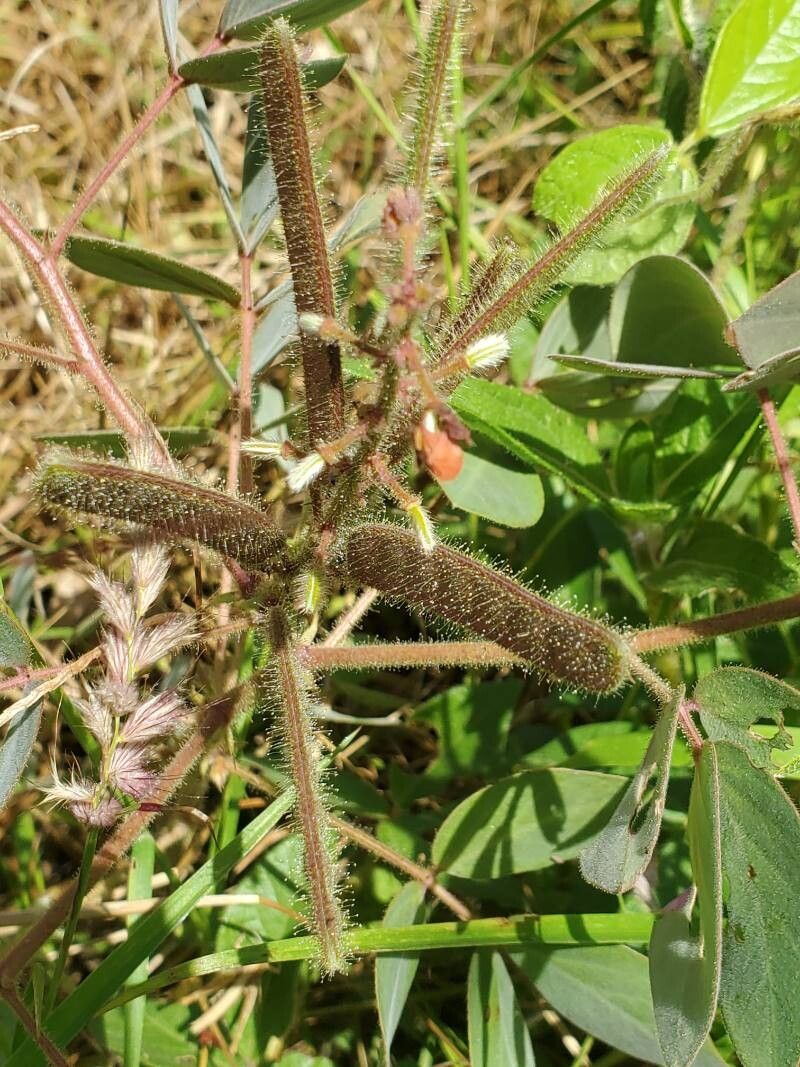
Unlocking the Secrets of Chamaecrista Absus: A Propagation Guide
Chamaecrista absus, also known as the “Sicklepod,” may not be a household name like roses or lilies, but this annual herb boasts delicate yellow blooms and fascinating medicinal properties. Native to tropical regions, C. absus has piqued the interest of gardeners and herbalists alike. If you’re ready to introduce this unique plant to your garden, understanding its propagation methods is key.
Sowing the Seeds of Success
C. absus is primarily propagated through seeds. While they can sometimes be found in specialty nurseries, sourcing seeds online or from fellow gardeners is often easier. Once you’ve obtained your seeds, follow these steps for optimal germination:
- Scarification: C. absus seeds have a hard outer coating that can be a barrier to germination. To speed things up, gently nick or scarify the seed coat using a nail file or sandpaper.
- Soaking: Soak the scarified seeds in lukewarm water for 12-24 hours. This process softens the seed coat further and encourages water absorption.
- Sowing: Choose a well-draining seed starting mix or a light potting soil. Sow the seeds about ¼ inch deep and mist them thoroughly with water.
- Warmth & Humidity: C. absus thrives in warm temperatures. Place the seed trays or pots in a location that consistently receives 70-80°F (21-27°C). Maintaining adequate humidity is crucial; using a humidity dome or covering the trays with plastic wrap can help.
- Patience: Germination can take anywhere from 1 to 3 weeks. Ensure the soil remains consistently moist but not waterlogged during this period.
Transplanting with Care
Once your C. absus seedlings develop their first set of true leaves (not the initial cotyledons), they are ready for transplanting:
- Hardening Off: Before moving your seedlings outdoors, gradually acclimate them to direct sunlight and wind over a week or two. This process, called hardening off, helps prevent transplant shock.
- Location, Location, Location: C. absus thrives in full sun to partial shade. Choose a spot in your garden that receives at least 6 hours of sunlight daily.
- Soil & Spacing: Well-drained soil is critical for C. absus. Amend the soil with compost or other organic matter to improve drainage. Space the seedlings about 12-18 inches apart to allow for their mature size.
- Watering & Support: Water regularly, especially during dry spells. C. absus is relatively drought-tolerant once established but benefits from consistent moisture. Consider providing support with stakes or trellises as the plants grow taller.
Beyond Propagation: The Wonders of C. absus
Propagating C. absus is just the first step in unlocking its potential. This remarkable plant has been traditionally used for its medicinal properties, particularly in treating intestinal worms and skin conditions. Additionally, its attractive yellow flowers and unique seed pods add a touch of wildness to any garden.
As you embark on your C. absus propagation journey, remember that patience and the right conditions are key. With a bit of care and attention, you can successfully cultivate this fascinating and potentially valuable plant.