
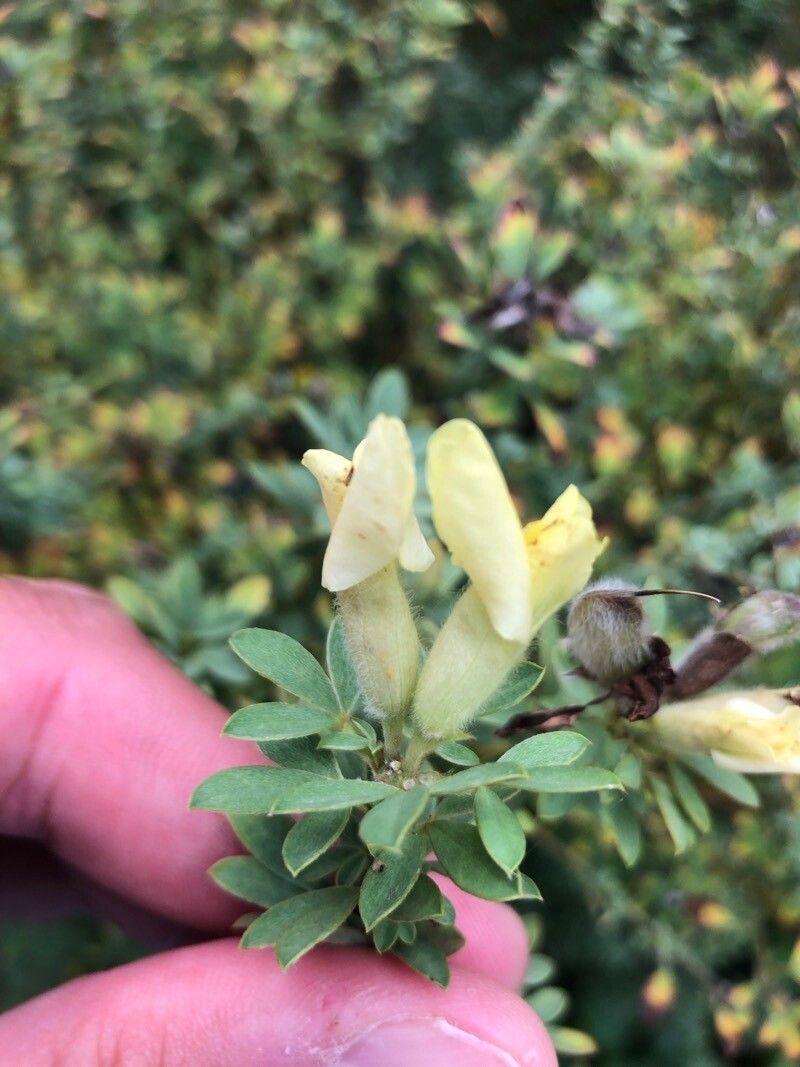
Unleashing the Blooming Power of White Broom: A Guide to Chamaecytisus Albus Propagation
The Chamaecytisus albus, better known as White Broom, is a visual delight. Imagine a cascade of delicate, fragrant white blossoms cascading over vibrant green foliage, painting a picture of pure elegance in your garden. But the beauty of the White Broom isn’t just skin deep. This hardy legume isn’t just a treat for the eyes but a boon for the environment, fixing nitrogen in the soil and attracting pollinators with its sweet nectar.
Ready to invite this low-maintenance charmer into your own outdoor space? Let’s unravel the secrets of successfully propagating Chamaecytisus albus, empowering you to grow a thriving bloom of your own.
Method 1: Seed Sowing – A Test of Patience Rewarded
While it requires a bit more time and attention, propagating White Broom from seed offers a deeply satisfying experience. Here’s how:
- Seed Collection: Collect mature seed pods in late summer. You’ll know they’re ready when they turn brown and dry.
- Scarification: Broom seeds have a tough outer coat. To increase germination rates, carefully nick or rub the seeds with sandpaper before sowing.
- Sowing: Sow the seeds in a seed tray filled with well-draining seed compost, barely covering them with a light sprinkling of compost.
- Warmth and Moisture: Place the tray in a warm location (around 20°C) and keep the compost consistently moist but not waterlogged.
- Patience is Key: Germination can take several weeks to a few months. Once the seedlings are sturdy enough to handle, transplant them into individual pots.
Method 2: Semi-Hardwood Cuttings – Faster Results for the Time-Conscious Gardener
For quicker results, consider propagating White Broom from semi-hardwood cuttings:
- Timing is Everything: The ideal time is mid-summer when the plant is actively growing but the stems have started to harden.
- Take the Cut: Select a healthy, non-flowering stem about 4-6 inches long. Make a clean cut just below a leaf node.
- Prepare the Cutting: Remove the lower leaves, leaving only a few at the top. Dip the cut end in rooting hormone to encourage root development.
- Potting Time: Plant the cutting in a pot filled with a well-draining mix of peat moss and perlite.
- Create a Humid Environment: Cover the pot with a clear plastic bag or use a propagator to maintain humidity.
- Root Development: After several weeks, gently tug on the cutting—resistance indicates successful rooting. Once roots develop, gradually acclimate the cutting to normal conditions before planting outdoors.
Essential Tips for Success
- Well-Drained Soil: White Broom thrives in well-drained soil and dislikes soggy conditions.
- Sunlight is Key: Choose a sunny location for your White Broom as it flourishes in full sun.
- Minimal Watering Once Established: Water regularly after planting, but once established, White Broom is drought-tolerant and requires minimal watering.
- Pruning for Shape and Health: Prune after flowering to maintain shape and encourage bushier growth.
Reap the Rewards of Your Efforts
With a little patience and care, you can successfully propagate Chamaecytisus albus and enjoy the reward of its stunning beauty year after year. Whether you choose the rewarding journey of seed sowing or the quicker gratification of cuttings, your efforts will yield a flourishing display of white blooms, transforming your garden into a haven of natural elegance.