
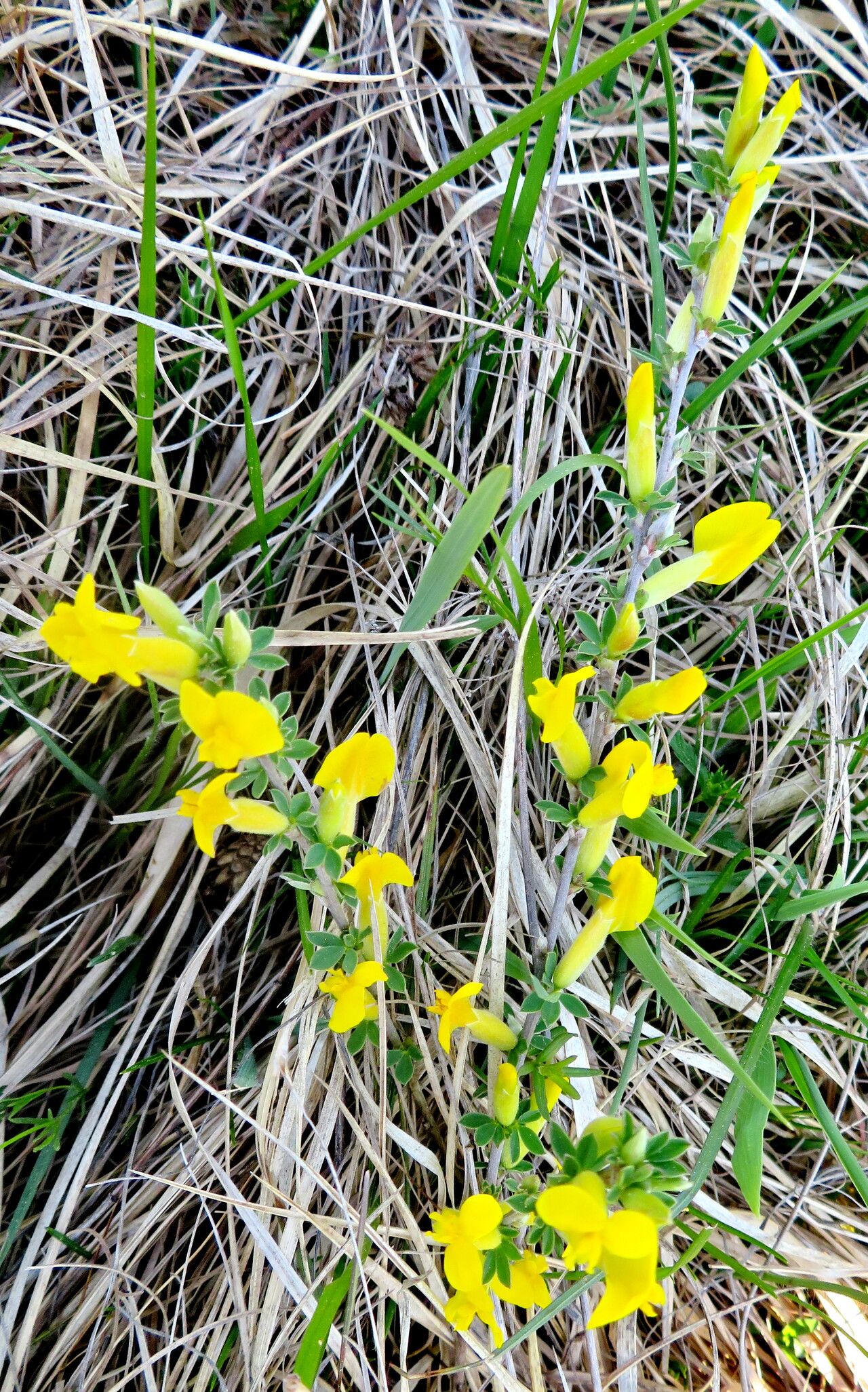
Unleashing the Golden Rain: Propagating Chamaecytisus ratisbonensis
The Chamaecytisus ratisbonensis, more affectionately known as the Dwarf Broom or Golden Rain shrub, is a sight to behold. Imagine a cascade of vibrant yellow flowers, tinged with hints of red, erupting in a dazzling display of color – that’s the magic of the Golden Rain shrub in full bloom. But beyond its visual allure, this low-maintenance, hardy plant offers gardeners a surprisingly easy propagation process. Today, we’ll delve into the world of Chamaecytisus ratisbonensis propagation, equipping you with the knowledge to multiply your floral bounty.
Two Paths to Golden Glory: Seeds vs. Cuttings
Propagating Chamaecytisus ratisbonensis primarily boils down to two techniques: seeds and cuttings. Each method has its own set of advantages, and the one you choose depends largely on your preference and resources.
1. The Seed Route: Embracing Nature’s Patience
Propagating from seed offers a sense of starting from scratch, nurturing a plant from its very beginning. Here’s how to do it:
- Harvesting Seeds: Collect seed pods from your existing plant once they turn brown and dry in late summer. Allow them to dry completely before cracking open the pods and extracting the seeds.
- Sowing Time: For best results, sow seeds in spring. You can start them indoors about 6-8 weeks before the last expected frost, or directly outdoors after the danger of frost has passed.
- Creating the Ideal Seedbed: Use a well-draining seed starting mix. Lightly press the seeds into the soil but don’t bury them completely as they need light to germinate.
- Patience is Key: Germination may take anywhere from a few weeks to a couple of months. Keep the soil consistently moist but not waterlogged.
- Transplanting Time: Once seedlings develop a few true leaves, harden them off gradually by introducing them to outdoor conditions for increasingly longer periods. When they are strong enough, transplant them to their permanent location in your garden.
2. The Cutting Edge: A Faster Path to Flowers
Taking cuttings offers a quicker method for establishing new plants, often yielding blooms in the same year. Here’s the breakdown:
- Timing is Everything: The ideal time to take cuttings is in the early morning during spring or early summer when the plant is actively growing.
- Choosing the Right Cuttings: Select healthy, non-flowering shoots that are about 4-6 inches long.
- Preparing the Cuttings: Remove the lower leaves from the cutting, leaving only a few at the top. Dip the cut end in rooting hormone to encourage root development (optional but recommended).
- Creating the Rooting Environment: Plant the cuttings in a pot filled with a well-draining mix of peat moss and perlite.
- Providing Humidity: Cover the pot with a plastic bag or humidity dome to retain moisture and encourage root development.
- Transplanting Triumph: Once the cuttings show signs of new growth (usually in a few weeks), it indicates successful rooting. Gradually acclimate them to outdoor conditions before transplanting them to their final destination.
Reaping the Golden Rewards
Regardless of the method you choose, propagating Chamaecytisus ratisbonensis is a rewarding endeavor. Not only do you get to witness the miracle of new life, but you’ll also be rewarded with an abundance of these vibrant shrubs to brighten your garden and attract pollinators. So, unleash your inner gardener and embark on the journey of propagating your very own Golden Rain!