
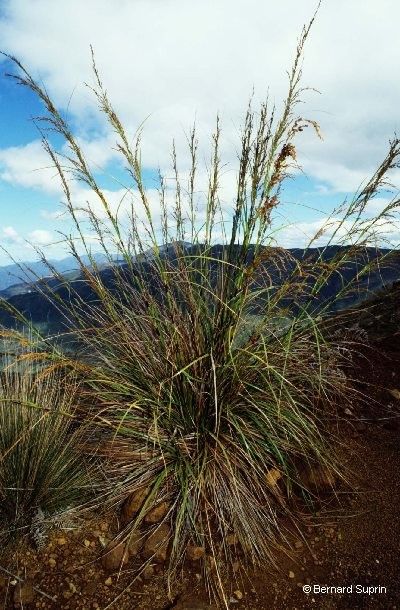
Unlocking the Secrets of Chamaedendron Nervosa Propagation: A Guide to Multiplying Your Mountain Bells
Chamaedendron nervosa, more affectionately known as Mountain Bells or Fish Bones, is a delightful evergreen shrub adored for its cascading foliage and charming bell-shaped flowers. Native to the Chilean Andes, this plant adds a touch of exotic beauty to gardens around the world. If you’re looking to expand your collection or share its charm with fellow gardeners, understanding propagation is key. Let’s explore the methods for successfully multiplying your Mountain Bells.
Two Paths to Propagation:
Chamaedendron nervosa can be propagated through two primary methods: cuttings and layering. Each technique has its own merits, and choosing the right one depends on your preferences and resources.
1. The Cutting Edge: Propagating from Stem Cuttings
Propagating from cuttings involves encouraging a severed portion of the plant to develop roots and grow into a new, independent plant. Here’s a step-by-step guide:
- Timing is Key: The best time for taking cuttings is during the active growing season, ideally in late spring or early summer.
- Selecting the Right Cuttings: Choose healthy, non-flowering shoots about 3-4 inches long. Look for stems with nodes (small bumps where leaves emerge).
- Preparing the Cuttings: Use a sharp, sterilized knife or pruning shears to make a clean cut just below a node. Remove leaves from the bottom inch of the stem to prevent rot.
- Hormone Help: Dipping the cut end in rooting hormone powder can significantly increase the success rate by promoting root development.
- Planting Time: Plant the cuttings in a well-draining rooting medium, such as a mixture of perlite and peat moss. Keep the soil consistently moist but not waterlogged.
- Creating a Humid Environment: Cover the cuttings with a plastic bag or humidity dome to create a warm, humid environment, mimicking natural greenhouse conditions.
- Patience is a Virtue: It can take several weeks for roots to develop. Check for signs of new growth as an indication of successful rooting.
2. Grounded in Success: Propagating through Layering
Layering is a gentler method that encourages root development while the stem is still attached to the parent plant. This technique boasts a higher success rate but requires more time.
- Choosing a Branch: Select a flexible, low-growing branch that can easily reach the ground.
- Preparing the Branch: Make a small wound on the underside of the branch, about 6-8 inches from the tip. You can gently scrape away a small section of bark or make a small incision.
- Encouraging Root Growth: Apply rooting hormone to the wounded area. This step isn’t mandatory but can significantly improve the chances of successful layering.
- Bury and Secure: Dig a shallow trench near the parent plant. Bend the prepared branch down and bury the wounded section in the trench, securing it with a small stake or rock. Leave the tip of the branch exposed above the soil.
- Maintaining Moisture: Water the buried section regularly, keeping the soil consistently moist.
- Separation Anxiety?: After a few months, gently tug on the layered branch. Resistance indicates root development. Once roots are established, carefully sever the layered branch from the parent plant and transplant it to its desired location.
Sharing the Beauty:
Successfully propagating your Chamaedendron nervosa is a rewarding experience. Not only will you have expanded your own collection, but you’ll also have the joy of sharing this enchanting plant with others. So put these methods into practice, and let the chimes of the Mountain Bells echo throughout your garden and beyond.