
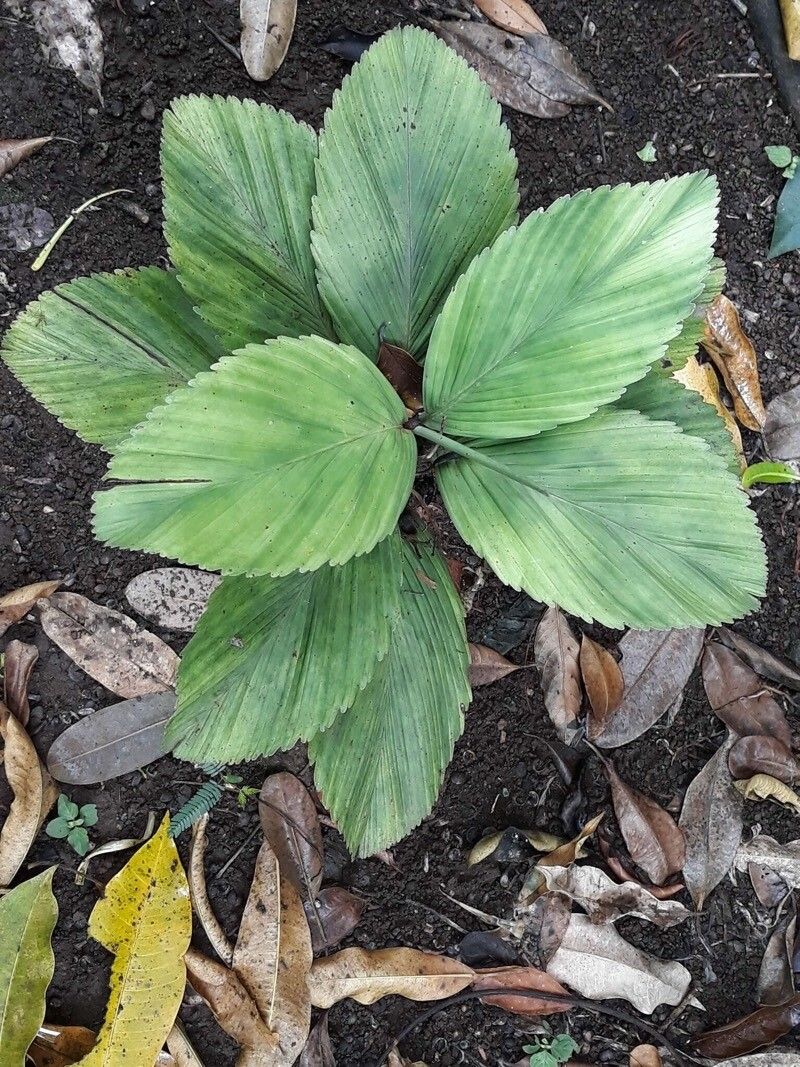
Unveiling the Secrets of Baby Tuerckheimii: A Guide to Propagating Chamaedorea Palms
The Chamaedorea tuerckheimii, also known as the Tuerckheim’s Fishtail Palm, is a compact and elegant palm native to Central America. Its lush, dark green foliage and graceful arching fronds make it a popular choice for indoor gardens and shady corners. But did you know that you can easily multiply your Tuerckheimii and share its beauty?
This guide will walk you through the process of propagating your Chamaedorea tuerckheimii, taking you from a single plant to a flourishing family of palms.
Understanding the Propagation Process
Unlike many plants that propagate from cuttings, the Chamaedorea tuerckheimii reproduces through seeds. This might sound daunting, but rest assured, germinating these seeds is relatively straightforward and a rewarding experience for any plant enthusiast.
Gathering and Preparing Seeds
- Source: The most reliable way to obtain seeds is to purchase them from a reputable online retailer or plant nursery. Ensure they are fresh for optimal germination rates.
- Inspection: Examine the seeds for signs of damage or disease. Healthy seeds are usually brown and firm.
- Scarification (Optional): To encourage faster germination, you can gently nick the outer shell of each seed with a nail file. This step isn’t mandatory but can be helpful.
Creating the Ideal Germination Environment
- Choose your container: Select a shallow tray or pot with drainage holes.
- Prepare the soil: Use a well-draining seed starting mix or a blend of peat moss and perlite.
- Sowing the seeds: Plant each seed about an inch deep in the moist soil.
- Warmth and Humidity: Cover the container with plastic wrap or a humidity dome to create a warm, humid environment. Place it in a location with bright, indirect light and temperatures consistently around 75-80°F (24-27°C).
- Patience is Key: Germination can take anywhere from a few weeks to several months. Keep the soil consistently moist, not soggy, and be patient.
Transplanting your Seedlings
- Signs of Growth: Once the seedlings develop a few sets of true leaves and are a few inches tall, they are ready for transplanting.
- Individual Pots: Choose small pots slightly larger than the seedling’s root ball.
- Potting Mix: Use a well-draining potting mix suitable for palms.
- Gentle Handling: Carefully remove the seedlings from the starting tray, minimizing root disturbance.
- Watering and Care: Water the seedlings thoroughly after transplanting. Provide them with bright, indirect light and keep the soil evenly moist.
Nurturing Your New Palms
- Watering: Water your young palms whenever the top inch of soil feels dry. Avoid overwatering, which can lead to root rot.
- Light: While Chamaedorea tuerckheimii tolerates low light, providing bright, indirect light will encourage healthy growth.
- Fertilizer: During the growing season (spring and summer), fertilize your palms monthly with a balanced liquid fertilizer diluted to half strength.
- Repotting: As your palms grow, they will eventually outgrow their pots. Repot them into slightly larger containers every two to three years.
Propagating your Chamaedorea tuerckheimii is a fun and fulfilling endeavor. It requires a bit of patience and care, but the reward of watching new life sprout from tiny seeds is truly magical. With this guide, you can confidently embark on your palm propagation journey and create your own miniature indoor jungle.