
Unlocking the Secrets of Chaptalia ignota: A Guide to Propagation
The Chaptalia ignota, also known by its charming moniker "Sunbonnet," isn’t as widely recognized as roses or tulips, but this unassuming perennial holds a hidden beauty for any enthusiast willing to look closer. Native to the southeastern United States, the Sunbonnet enchants with rosette-forming leaves that boast a unique silvery-green hue and an underside of striking purple. Come spring, it graces the world with delicate, dandelion-like flowers perched atop long, slender stems.
If you’re as captivated by this understated beauty as we are, you’re probably wondering how to welcome it into your own garden. While information on Chaptalia ignota propagation is surprisingly sparse, fear not! We’re here to guide you through the process with tips and tricks to encourage these hidden gems to thrive.
The Two Paths of Propagation:
Chaptalia ignota can be propagated in two primary ways: by seed and by division. Each method has its pros and cons, so let’s explore them in detail:
1. The Seed Route: A Test of Patience
Propagating Chaptalia ignota from seed is an exercise in patience and observation. Here’s a step-by-step guide:
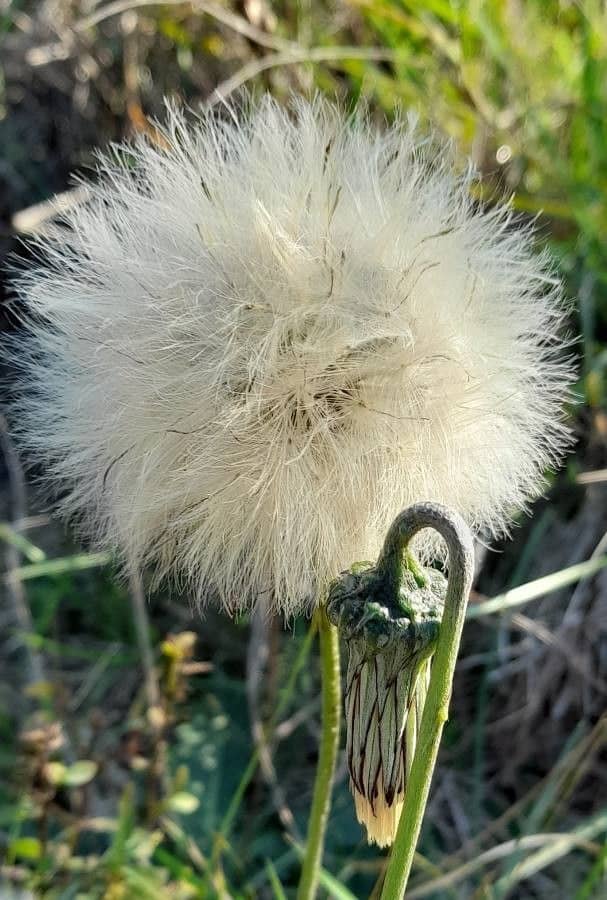
- Seed Collection: After the flowers fade, small, feathery seed heads appear. Collect these seeds carefully, ensuring they’re dry and fully mature.
- Sowing the Seeds: Sow the seeds in late fall or early spring, directly into the ground or in seed trays. Press them lightly onto the soil surface, as they need light to germinate.
- Patience is Key: Keep the soil consistently moist but not waterlogged. Germination can be erratic, sometimes taking several weeks or even months.
- Transplanting Time: Once the seedlings have developed a few sets of true leaves, you can transplant them to their permanent locations.
2. Division: A Quicker Reward
For a faster and more reliable method, division is the way to go. Follow these steps:
- Timing is Everything: The best time for division is early spring, just before new growth starts.
- Unearth the Clump: Gently dig up a mature Chaptalia ignota plant, ensuring you get as much of the root system as possible.
- Divide and Conquer: Carefully separate the plant into smaller sections, ensuring each division has a good amount of roots and leaves.
- Replanting: Replant the divisions at the same depth they were originally growing and water them in well.
Tips for Success:
No matter which propagation method you choose, these tips will boost your chances of success:
- Well-Drained Soil: Chaptalia ignota prefers well-drained soil that doesn’t become waterlogged.
- Sun or Shade: While they can tolerate partial shade, these plants thrive in sunny locations.
- Minimal Fertilizer: Chaptalia ignota is a low-maintenance plant that doesn’t require heavy fertilization.
With a bit of patience and the right care, you can successfully propagate Chaptalia ignota and enjoy its subtle beauty in your own garden. As it spreads, it will serve as a testament to your dedication and a unique point of interest in any landscape. So, why not unravel the secrets of this often-overlooked gem and introduce a touch of understated elegance to your outdoor space?