
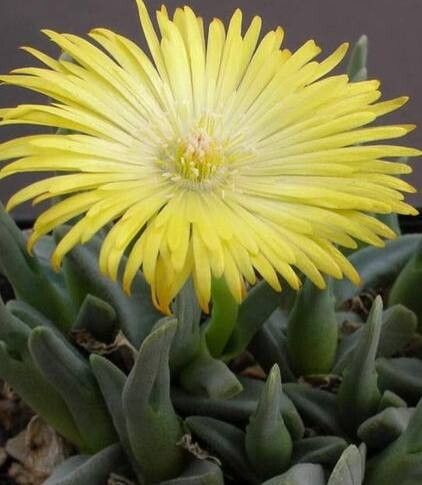
Tiny Treasures: How to Propagate Cheiridopsis namaquensis, the “Living Stones”
If you’re looking for a low-maintenance succulent with a unique charm, Cheiridopsis namaquensis might be your perfect match. These adorable plants, often nicknamed “Living Stones,” mimic the appearance of pebbles scattered across the arid landscapes of South Africa. But beyond their captivating looks, they offer a rewarding experience for plant enthusiasts, thanks to their easy propagation methods.
Unveiling the Secrets of Cheiridopsis namaquensis Propagation: A Beginner-Friendly Guide
1. The Power of Seeds:
- Gathering the Seeds: Cheiridopsis namaquensis produces tiny, delicate seeds housed in miniature capsules. These capsules often appear at the base of the plant after flowering. Carefully collect them once they turn brown and dry. Extract the seeds by gently crushing the capsules.
- Sowing the Seeds: Opt for a well-draining, sandy seed-starting mix. Fill small pots or trays with the mixture and moisten it evenly. Sprinkle the seeds on the surface and lightly press them into the soil. You can cover the pots with a plastic wrap to help maintain humidity. Place them in bright, indirect light and keep the soil consistently moist.
- Germination Time: Patience is key! Cheiridopsis namaquensis seeds can take several weeks to germinate. Once seedlings emerge, gradually acclimate them to direct sunlight. Maintain regular watering, ensuring the soil never gets soggy.
2. The Art of Leaf Propagation:
- Selecting the Leaves: Choose healthy, plump leaves from mature plants. You can gently twist or break them off, ensuring a clean cut.
- Preparing the Leaves: Allow the leaves to dry for a day or two in a cool, dry place. This allows the cut ends to form a callus, which helps prevent rot.
- Planting the Leaves: Use a well-draining succulent mix or a combination of sand and perlite. Place the leaves horizontally on the soil, making sure they are slightly submerged. Maintain a bright, indirect light environment.
- Watering and Patience: Keep the soil slightly damp, allowing it to dry completely between waterings. New plantlets will start appearing within a few weeks, forming roots from the base of the leaf.
3 . The Ease of Division:
- Division Timing: The best time for division is during the spring or summer months when the plant is actively growing.
- Preparing the Plant: Carefully lift the parent plant from its pot. Gently separate the plant into smaller clumps, making sure each division has healthy roots and leaves.
- Repotting the Divisions: Select small pots with drainage holes and fill them with an appropriate succulent mix. Place the divisions in their new pots and water thoroughly.
4. Tips for Success
- Soil Choice: A well-draining succulent mix is essential to prevent root rot. Consider using a combination of cactus mix, perlite, sand, or even pumice.
- Lighting Conditions: Cheiridopsis namaquensis thrives in bright, indirect light. Avoid prolonged exposure to intense direct sunlight, especially during the hottest months.
- Watering Practices: Allow the soil to dry completely between waterings, ensuring that you provide sufficient drainage to prevent root rot.
- Patience is Key: Patience is the key to successful propagation. It may take several weeks or even months for new growth to emerge.
Conclusion: A World of Tiny Treasures
With their stunning appearance and easy propagation methods, Cheiridopsis namaquensis is an ideal choice for both novice and experienced plant enthusiasts. Whether you choose to grow them from seeds, propagate through leaves, or enjoy the simplicity of division, you’ll be rewarded with a delightful collection of these miniature living stones. Embrace the journey of nurturing these delightful plants, and watch as your collection of “Living Stones” flourishes over time!