
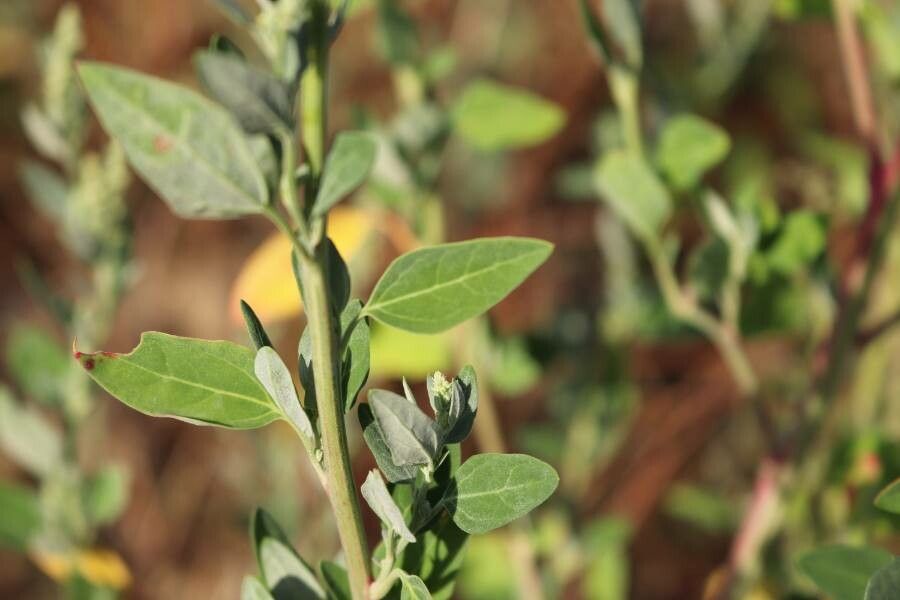
Unearthing the Secrets of Chia Seed Production: How to Grow Chenopodium berlandieri
Chenopodium berlandieri, more commonly known as lamb’s quarters or goosefoot, might sound like something you’d find in a fairytale, but this unassuming plant boasts a fascinating history and surprising nutritional value. And for those keen on growing their own ancient grains, learning how to propagate Chenopodium berlandieri is a rewarding and delicious endeavor.
Understanding the Life Cycle:
Chenopodium berlandieri is an annual plant, meaning it completes its life cycle within a single growing season. It readily self-seeds, scattering its tiny black seeds (yes, those are edible too!) that remain dormant through winter before germinating with the warmth of spring.
Methods of Propagation:
Direct Sowing: The most straightforward approach to propagating Chenopodium berlandieri is by directly sowing seeds into your garden bed. This resilient plant prefers well-drained soil and thrives in full sun to partial shade.
- Timing is Key: Wait until all danger of frost has passed in your region, typically after the last spring frost.
- Sowing Depth: Sprinkle the tiny seeds over the soil surface and lightly rake them in, ensuring they’re no more than ¼ inch deep.
- Spacing: Aim for a spacing of 6-12 inches apart to allow for adequate airflow and growth. Thin out seedlings to the desired spacing once they reach 2-3 inches tall.
Starting Indoors: For a head start, you can sow the seeds indoors 4-6 weeks before the last expected frost.
- Choosing a Medium: Use a seed-starting mix and sow seeds in biodegradable pots to minimize root disturbance during transplanting.
- Providing Light: Place the pots in a sunny window or under grow lights, ensuring they receive at least 6 hours of light daily.
- Hardening Off: Before transplanting outdoors, gradually acclimate the seedlings to outdoor conditions by exposing them to increasing durations of sunlight and wind over a week or two.
Caring for Your Chenopodium berlandieri:
- Watering: While drought-tolerant once established, consistent moisture is crucial during germination and early growth stages. Water deeply but infrequently, allowing the soil to dry slightly between waterings.
- Fertilizing: This plant is not a heavy feeder. Amending your soil with compost before planting will generally suffice. However, if your soil is poor, a light dose of balanced fertilizer can be applied in mid-summer.
- Pest and Disease Control: Chenopodium berlandieri is relatively pest and disease resistant. However, keep an eye out for common garden pests and address any issues promptly.
Harvesting Your Bounty:
Chenopodium berlandieri offers a two-fold harvest. The young leaves can be enjoyed as nutritious greens, similar to spinach, throughout the growing season. Later, as the plants mature and flower, they produce thousands of tiny black seeds. Harvest these seed heads when they turn dry and brown, carefully threshing and winnowing to separate the seeds.
A Rewarding Endeavor:
Growing your own Chenopodium berlandieri offers a unique connection to the past while providing a nutritious and versatile addition to your diet. With a little patience and care, you can unlock the secrets of this ancient grain and enjoy the fruits (or rather, seeds) of your labor.