
Unlocking the Secrets of the Bird Orchid: Propagating Chiloglottis Reflexa
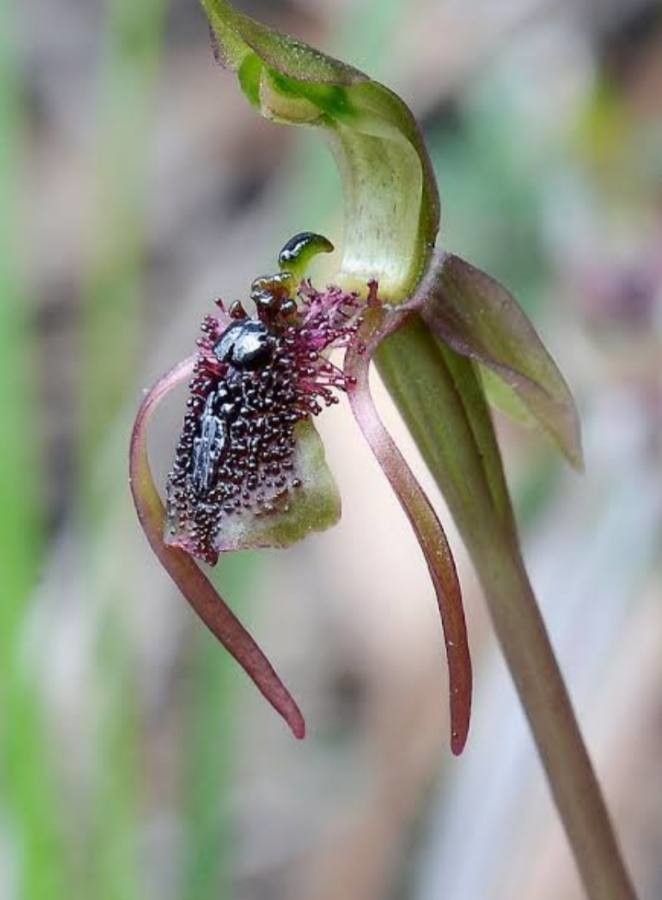
The Chiloglottis reflexa, commonly known as the “Bird Orchid” or “Autumn Bird Orchid,” is a fascinating terrestrial orchid native to Australia. Its unique beauty lies in the intricate, bird-like appearance of its flowers, which bloom in shades of green, red, and purple during the autumn months. While admiring these orchids in their natural habitat is a treat, cultivating them at home presents a captivating challenge.
Unlike many common garden plants, propagating Chiloglottis reflexa isn’t as simple as taking stem cuttings or sowing seeds. Their propagation relies on a complex and fascinating symbiotic relationship with a specific species of wasp.
The Wasp and the Orchid: A Love Story in Nature
The intricate dance between the Chiloglottis reflexa and its pollinator, the Mymarid wasp, is a remarkable example of co-evolution. The orchid has evolved a unique strategy to attract its mate – deception. The labellum, a modified petal that acts like a landing platform for pollinators, closely resembles a flightless female wasp in both appearance and scent! This visual and olfactory mimicry tricks the male wasp into attempting to mate with the flower, transferring pollen in the process.
Cultivating with Caution: The Difficulty of Propagation
Given this intricate pollination process, propagating Chiloglottis reflexa at home presents a significant challenge.
- Seed Germination: While orchids can technically be grown from seed, Chiloglottis reflexa seeds require a specific type of fungus present in their natural environment to germinate. This symbiotic relationship is difficult to replicate in a home setting.
- Division: Dividing established clumps of orchids is a common propagation technique for some species. However, Chiloglottis reflexa have a delicate root system and are particularly susceptible to disturbance. Dividing them often leads to stress and can hinder their growth and flowering potential.
Appreciating the Challenge: Conservation and Ethical Sourcing
The complexities of propagating Chiloglottis reflexa highlight the importance of enjoying these unique orchids responsibly.
- Conservation: Habitat loss due to land clearing poses a significant threat to wild orchid populations. Supporting conservation efforts and respecting their natural habitats is crucial for their survival.
- Ethical Sourcing: If you choose to acquire Chiloglottis reflexa for your collection, ensure you obtain them from reputable nurseries that propagate them ethically and sustainably, rather than collecting them from the wild.
While cultivating Chiloglottis reflexa might be beyond the scope of most home gardeners, understanding their intricate lifecycle adds another layer of appreciation for these incredible orchids. The next time you encounter a “Bird Orchid,” take a moment to marvel at its beauty and the delicate dance of nature that ensures its survival.