
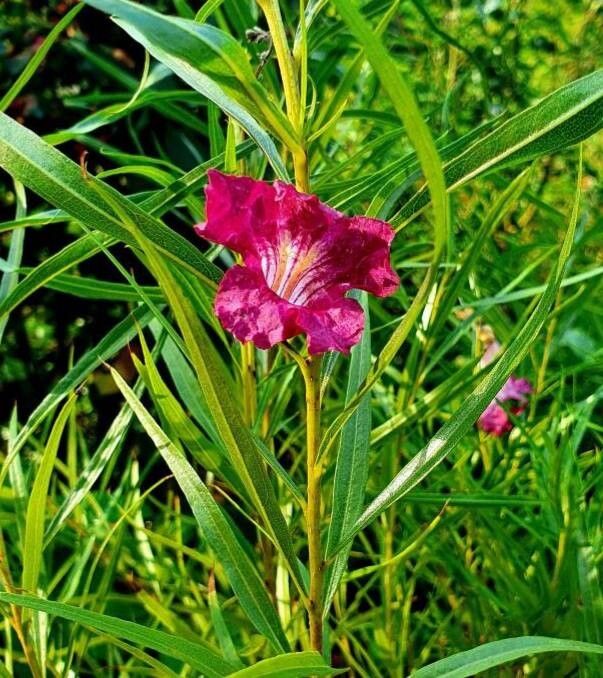
Propagating the Texas Willow: A Guide to Cultivating Chilopsis linearis
Chilopsis linearis, commonly known as the Texas willow or desert willow, is a captivating small tree or large shrub prized for its vibrant, trumpet-shaped flowers and graceful, willow-like foliage. Its drought tolerance and adaptability make it a popular choice among gardeners in arid and semi-arid regions. However, while relatively easy to grow once established, propagating Chilopsis linearis presents unique challenges and rewards. Its popularity has fueled interest in different propagation methods, each with its pros and cons.
Seed Germination:
Seed germination is a viable method for propagating Chilopsis linearis, but it presents several challenges. The seeds possess a hard seed coat which inhibits water uptake and germination. This requires stratification, a process mimicking the natural conditions needed for germination. This can be achieved by pre-soaking the seeds in warm water for 24-48 hours, followed by cold stratification (placing the seeds in a moist medium, such as vermiculite or peat moss, in a refrigerator at 4°C for 4-6 weeks). This cold period breaks seed dormancy.
After stratification, sow the seeds in a well-draining seed starting mix, keeping the soil consistently moist but not waterlogged. Maintain a warm temperature (20-25°C) and provide adequate light. Germination can take several weeks to months.
Challenges: Inconsistent germination rates, lengthy germination period.
Tips: Pre-soaking, stratification, consistent moisture, warm temperature, good light.
Rewards: High genetic diversity, potential for large-scale propagation, relatively inexpensive.
Cuttings:
Propagating Chilopsis linearis from cuttings is a relatively successful method. Semi-hardwood cuttings, taken in late summer or early autumn, are ideal. Cuttings should be approximately 4-6 inches long, with several nodes. Remove lower leaves to prevent rotting.
Dip the cut ends in a rooting hormone powder to encourage root development. Plant the cuttings in a well-draining potting mix, maintaining consistently moist but not soggy conditions. High humidity is beneficial; a propagation dome or plastic bag over the cuttings can help. Root formation typically takes several weeks to months.
Challenges: Requires patience, potential for rot if conditions are not ideal, lower success rate than other methods.
Tips: Use semi-hardwood cuttings, rooting hormone, good drainage, high humidity.
Rewards: Faster establishment than seedlings, relatively easy to manage, maintains desirable parental characteristics.
Division:
Division is feasible for established Chilopsis linearis plants. This method involves carefully separating the root system into sections, each containing multiple stems and roots. The divisions can then be potted individually or transplanted directly into the ground.
Challenges: Can damage the original plant if not done carefully, only suitable for established plants.
Tips: Sharpe, clean tools are crucial to minimize damage. Ensure each division has adequate root mass.
Rewards: Quick establishment, maintains parental characteristics.
Tissue Culture:
Currently, there are no widely available or readily accessible protocols for reliable tissue culture propagation of Chilopsis linearis. This technique, while potentially offering large-scale propagation with disease-free plants, requires specialized equipment and expertise, making it unsuitable for the average home gardener.
Conclusion:
Propagating Chilopsis linearis offers a rewarding challenge for the dedicated gardener. While seed germination offers genetic variation, it demands patience and careful attention. Cuttings provide a more reliable and faster method, while division offers simplicity for established plants. The difficulty inherent in each method, particularly seed germination, is offset by the unique satisfaction of nurturing a plant from a cutting or seed into a thriving specimen. The beauty and hardiness of the Texas willow make the effort worthwhile, encouraging aspiring propagators to embrace the challenge and enjoy the fruits of their labor.