
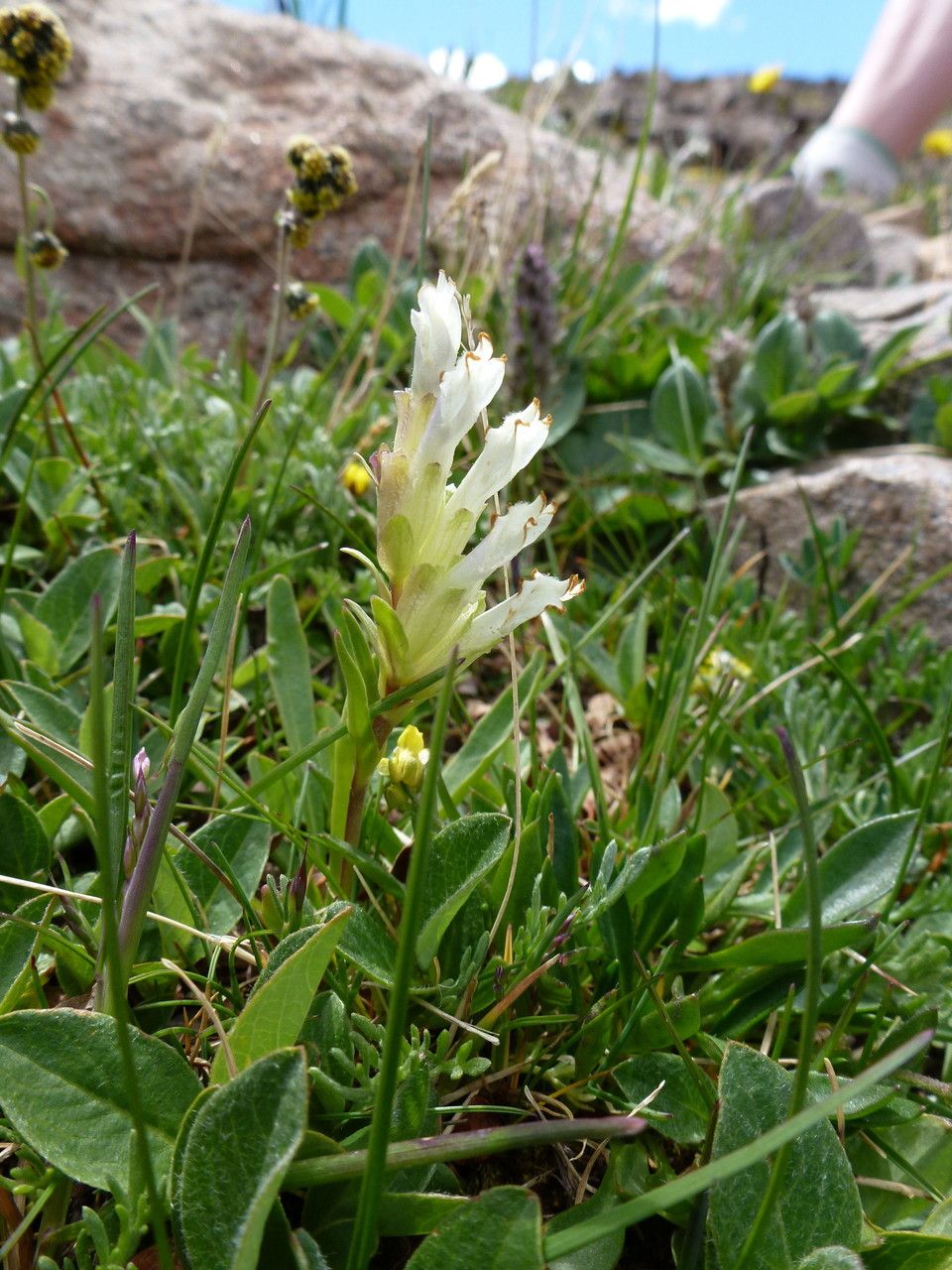
Taming the Wild Beauty: Propagating the Elusive Snow-Loving Chionophila jamesii
The world of alpine plants is one of stark beauty and tenacious survival. Amongst these resilient species exists a captivating flower, the Chionophila jamesii, more affectionately known as snowlover. This enchanting plant, with its delicate white blooms emerging straight from rocky slopes, captures the essence of the alpine world. But how does one bring a touch of this wild beauty into their own garden?
Propagating Chionophila jamesii is not for the faint of heart. This challenging yet rewarding endeavor requires patience, understanding, and a touch of the pioneering spirit. Here’s what you need to know:
Understanding the Snowlover:
Before embarking on your propagation journey, it’s crucial to understand the snowlover’s natural environment. Chionophila jamesii thrives in high-altitude rocky habitats, often found nestled amongst granite outcrops and scree slopes. It has a symbiotic relationship with a specific type of fungus, forming mycorrhizae that are essential for nutrient absorption. This intricate relationship makes transplanting mature snowlovers incredibly difficult and often unsuccessful.
Propagation Methods:
While challenging, successfully propagating Chionophila jamesii offers immense satisfaction. Two methods offer the best chances of success:
Seed Propagation: This is the most reliable method, albeit a slow one.
- Source Seeds: Obtain seeds from reputable sources specializing in alpine plants.
- Cold Stratification: Mimic the snowlover’s natural environment by subjecting the seeds to cold, moist conditions for several months (typically 12-16 weeks). This can be achieved by storing the seeds in damp vermiculite inside a refrigerator.
- Sowing: Sow seeds in a well-draining, slightly acidic soil mix. Use shallow containers and barely cover the seeds with soil.
- Patience: Germination is slow and sporadic, potentially taking several months. Provide consistent moisture and bright, indirect light.
- Root Cuttings: While less common and more challenging than seed propagation, root cuttings offer a quicker path to established plants.
- Timing is Key: Take root cuttings in late winter or early spring during the plant’s dormancy.
- Carefully Extract Cuttings: Unearth a portion of the plant and select healthy roots. Make clean cuts with a sterilized sharp knife.
- Hormone Treatment: Dip the cut ends in rooting hormone to encourage growth.
- Plant and Protect: Plant the cuttings horizontally in a well-draining, sterile medium. Keep them consistently moist and shielded from direct sunlight.
Cultivating Patience:
Regardless of the chosen method, remember that Chionophila jamesii is a slow-growing species. Patience is paramount. It might take several years for seedlings to reach flowering size.
Recreating the Alpine Environment:
Provide your snowlovers with conditions mimicking their natural habitat for optimal growth:
- Sharp Drainage: Use a gritty, well-draining soil mix to prevent waterlogging and root rot.
- Cool Temperatures: Chionophila jamesii thrives in cool temperatures and dislikes excessive heat.
- Bright, Indirect Light: Full sun in their natural habitat is significantly less intense than at lower elevations. Mimic this with bright, indirect light or dappled sunlight.
Propagating the captivating Chionophila jamesii is a labor of love, demanding dedication and a deep appreciation for this alpine gem. But the reward of seeing this delicate beauty thrive in your care makes it a truly fulfilling endeavor for any plant enthusiast.