
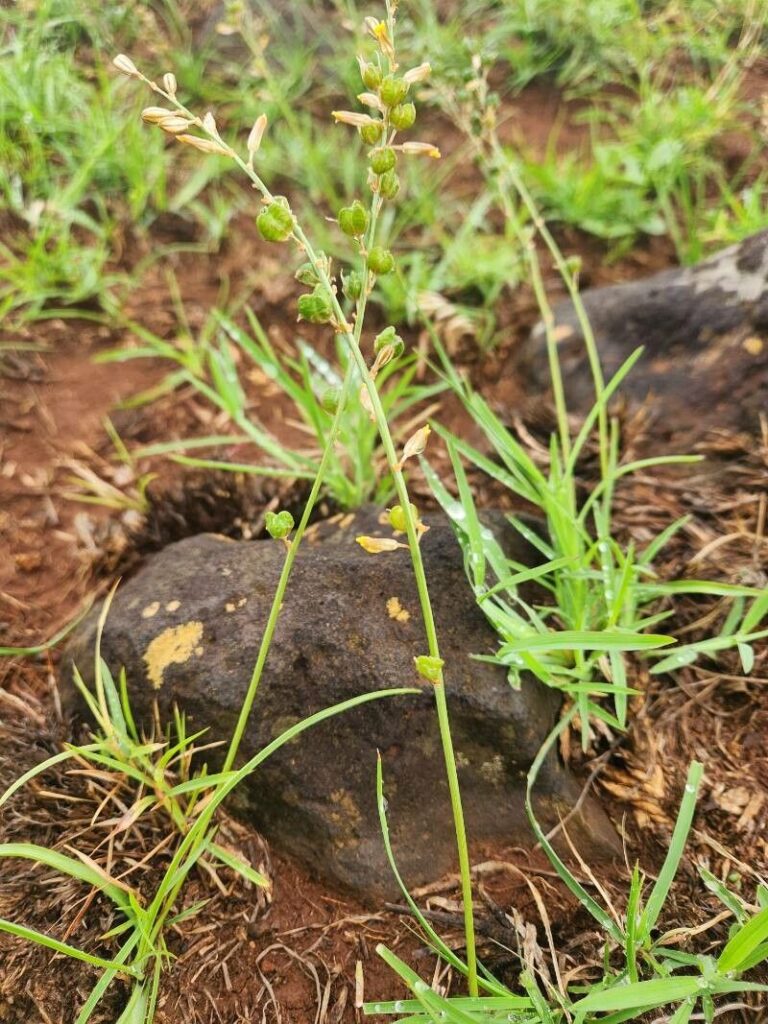
Multiply Your Greenery: The Simple Joys of Propagating Spider Plants (Chlorophytum comosum)
Spider plants, scientifically known as Chlorophytum comosum, are a beloved houseplant for good reason. Their vibrant green and white foliage brightens up homes while being remarkably easy to care for. But did you know that multiplying your spider plant family is just as simple? Propagating your own baby spider plants is incredibly rewarding and straightforward, even for beginners.
Why Propagate?
- Free Plants! Why buy new plants when you can create them from your existing ones?
- Share the Green Love: Propagated spider plants make wonderful gifts for friends and family.
- Rejuvenate Older Plants: Over time, the mother plant might become leggy. Propagating allows you to grow bushier, younger versions.
The Magic of Spiderettes
One of the reasons spider plants are so easy to propagate is because they produce “spiderettes” or “pups”. These miniature plants grow on long stems that extend from the mother plant. They look like miniature versions of the adult plant and often develop roots while still attached.
Propagation Methods You Can Choose:
1. Water Propagation:
- What you need: A sharp, clean pair of scissors or shears and a glass or jar of water.
- Steps:
- Identify a healthy spiderette with developed roots.
- Carefully snip the stem connecting the spiderette to the mother plant.
- Place the spiderette in the water, ensuring the roots are submerged.
- Place the glass in a well-lit spot but avoid direct sunlight.
- Change the water every few days to prevent algae growth.
- Once roots are about an inch long, you can plant the spiderette in a well-draining potting mix.
2. Soil Propagation:
- What you need: A small pot filled with well-draining potting mix.
- Steps:
- You can either snip off a spiderette with roots and plant it directly in the soil or try to encourage root development while it’s still attached to the mother plant.
- To do the latter, gently press a spiderette (without detaching it) into the soil of a nearby pot. Ensure the roots, if any, are in contact with the soil.
- Keep the soil consistently moist but not soggy.
- Once the spiderette has established roots and shows new growth, you can cut the stem connecting it to the mother plant.
Tips for Success:
- Timing is Key: Spring and early summer are ideal for propagation, as the plant is actively growing.
- Healthy Parent Plant: Choose spiderettes from a healthy, well-established mother plant for best results.
- Be Patient: It can take a few weeks for the spiderettes to root. Don’t be discouraged if you don’t see results right away.
Propagating your spider plants is an easy and rewarding way to expand your plant collection and create a greener space. With a little patience and these simple steps, you’ll soon be enjoying a multitude of these charming and air-purifying wonders in your home.