
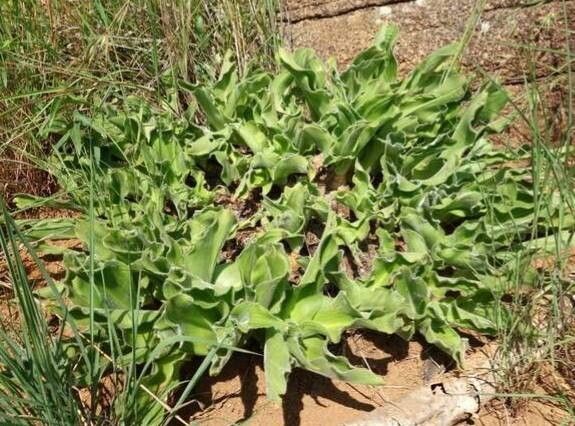
Propagating Chlorophytum gallabatense: A Gardener’s Guide
Introduction
Chlorophytum gallabatense, also known as the Gallabat Spider Plant, is a relatively rare and intriguing member of the Chlorophytum genus. Unlike its more common cousin, the Spider Plant (Chlorophytum comosum), C. gallabatense boasts unique characteristics, often exhibiting thicker, more succulent leaves and a generally more robust growth habit. This makes it a sought-after plant among collectors and those appreciative of less readily available species. Its propagation, however, presents certain challenges, demanding patience and a keen understanding of the plant’s specific needs.
Seed Germination:
Currently, there are no known reliable methods for seed germination propagation of Chlorophytum gallabatense. While the plant does produce seeds, successful germination rates are extremely low, if they exist at all, under typical home cultivation conditions. Further research into specific germination requirements, including potential dormancy-breaking techniques, would be necessary to establish a reliable seed propagation method.
Cuttings:
Cuttings offer a more viable approach to propagating Chlorophytum gallabatense.
Challenges: Root development from leaf or stem cuttings can be slow. The success rate depends on maintaining appropriate humidity and avoiding fungal infections.
Practical Tips: Use sharp, clean tools to take cuttings, ideally from healthy, mature stems. Plant cuttings in a well-draining propagation mix (e.g., perlite and peat moss) and maintain high humidity by covering the container with a plastic bag or dome. Regular misting is beneficial. Bottom-heat can significantly improve rooting success.
Rewards: Cuttings are relatively simple to execute, and successful propagation allows for the replication of a desirable plant without requiring specialized skills or equipment.
Division:
Division is arguably the most reliable and straightforward method for propagating Chlorophytum gallabatense.
Challenges: The plant may not always produce readily separable offsets or pups. Improper division can damage the parent plant, leading to its decline.
Practical Tips: The best time to divide is during the active growing season (spring or early summer). Gently remove the plant from its pot and carefully separate the offsets, ensuring each section has sufficient roots and foliage. Replant the divisions in fresh, well-draining potting mix.
Rewards: Division is a quick and efficient method allowing for rapid increase in plant numbers while maintaining the genetic characteristics of the parent plant.
Tissue Culture:
Tissue culture represents a more complex but potentially rewarding method for propagating Chlorophytum gallabatense.
Challenges: Tissue culture requires specialized equipment, a sterile work environment, and a thorough understanding of plant tissue culture techniques. It involves higher initial costs and can be susceptible to contamination.
Practical Tips: Sterilization of all materials is paramount. Using a suitable growth medium and providing appropriate environmental conditions (light, temperature, humidity) are critical factors for successful propagation.
Rewards: Tissue culture offers the potential for large-scale propagation, producing numerous clones quickly and efficiently. It also allows for the eradication of diseases and the production of disease-free plants.
Conclusion:
Propagating Chlorophytum gallabatense presents varying levels of challenge depending on the chosen method. While seed germination remains largely unproven, cuttings and division offer relatively accessible options for home propagation. Tissue culture, although more complex, unlocks the potential for large-scale production. The unique satisfaction of successfully cultivating this relatively uncommon plant comes from overcoming the hurdles associated with propagation. The patience and attention to detail required are richly rewarded with the pleasure of nurturing and expanding your collection of this distinctive and beautiful specimen. For aspiring propagators, start with the simpler methods of cuttings or division and gradually explore the more advanced techniques as your confidence and experience grow.