
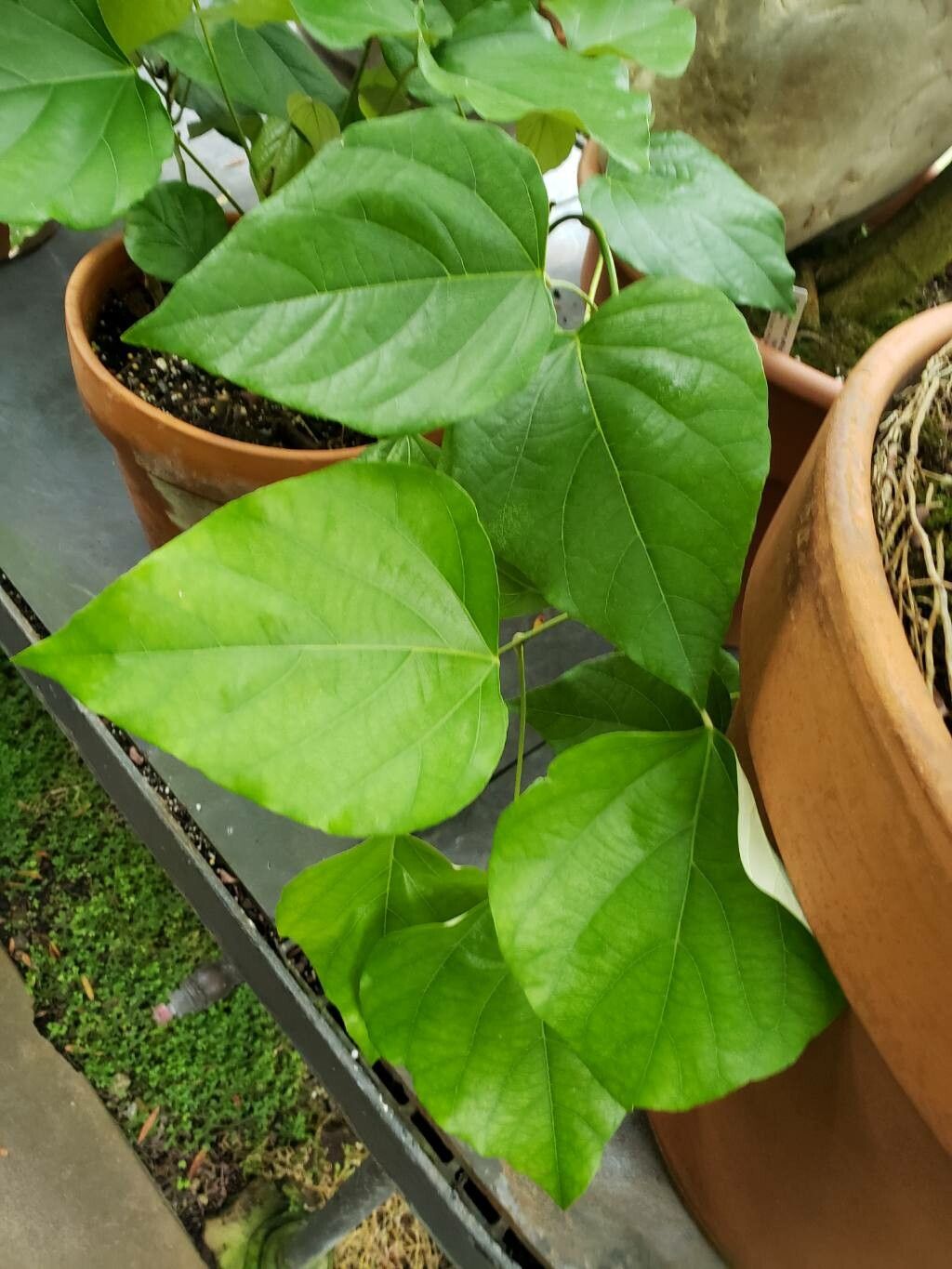
Propagating Chondrodendron tomentosum: A Gardener’s Guide to the Amazonian Vine
Chondrodendron tomentosum, commonly known as Pareira Brava, is a robust, woody vine native to the Amazon rainforest. This fascinating plant, prized for its medicinal properties and visually striking appearance, is gaining popularity amongst gardeners seeking unique and challenging additions to their collections. Its vigorous growth habit and distinctive heart-shaped leaves make it a captivating climber, but its propagation presents unique hurdles. This article explores various methods for propagating C. tomentosum, weighing the challenges and rewards of each.
Seed Germination:
Currently, there are no known reliable methods for seed germination propagation of Chondrodendron tomentosum. While seeds may be produced, their viability is extremely low, and germination rates are practically nonexistent under typical horticultural conditions. Further research into the specific germination requirements of this species is needed.
Cuttings:
Cuttings offer a more promising avenue for Chondrodendron tomentosum propagation.
Challenges: Hardwood cuttings are more likely to succeed than softwood, but rooting even hardwood cuttings can be slow and unpredictable. The plant’s inherent tendency for fungal and bacterial infections increases the risk of rot during the propagation process.
Practical Tips: Take semi-hardwood cuttings in late spring or early summer, ensuring each cutting has several nodes. Dip the cut ends in a rooting hormone to stimulate root development. Plant cuttings in a well-draining, sterile rooting medium, such as a perlite and peat moss mix, maintaining high humidity using a cloche or propagation dome. Consistent bottom heat and indirect sunlight are beneficial. Monitor for fungal growth and take prompt action if necessary using fungicides.
Rewards: Successful rooting of cuttings provides a genetically identical plant to the parent, ensuring desirable traits are preserved. This method is relatively simple compared to tissue culture and allows for moderately large-scale propagation.
Division:
Division is generally not a practical method for propagating Chondrodendron tomentosum. This vine is not typically grown in a way that lends itself to readily separating established plants into smaller, independent units.
Tissue Culture:
Tissue culture offers the potential for large-scale and highly controlled propagation of Chondrodendron tomentosum.
Challenges: This method requires specialized equipment, sterile conditions, and expertise in plant tissue culture techniques. Developing a reliable protocol for this species may involve significant experimentation to determine optimal media, hormones, and growing conditions.
Practical Tips: Successfully propagating C. tomentosum through tissue culture requires accessing a well-equipped laboratory and expertise in sterile culture techniques. The selection of nodal segments from healthy, actively growing shoots is crucial. Trials with various growth regulators may be needed to optimize shoot multiplication and root induction.
Rewards: This method offers the potential for large-scale propagation of genetically uniform plants, which is valuable for pharmaceutical or commercial uses.
Conclusion:
Propagating Chondrodendron tomentosum presents significant challenges. While seed germination appears currently unviable, cuttings offer a relatively accessible method, although success requires patience and attention to detail. Tissue culture holds potential for large-scale production but demands specialized skills and resources. The inherent difficulties in propagating this Amazonian vine add to the satisfaction experienced upon obtaining a successfully rooted cutting or a thriving plant from tissue culture. The reward lies not just in adding a unique and beautiful plant to your collection but in overcoming the challenges posed by its propagation, highlighting the dedication and perseverance of the grower. For aspiring propagators, don’t be discouraged by initial setbacks. Experimentation, careful observation, and a willingness to adapt are essential ingredients for success.