
Propagating Chromolaena congesta: A Gardener’s Guide to the Siam Weed
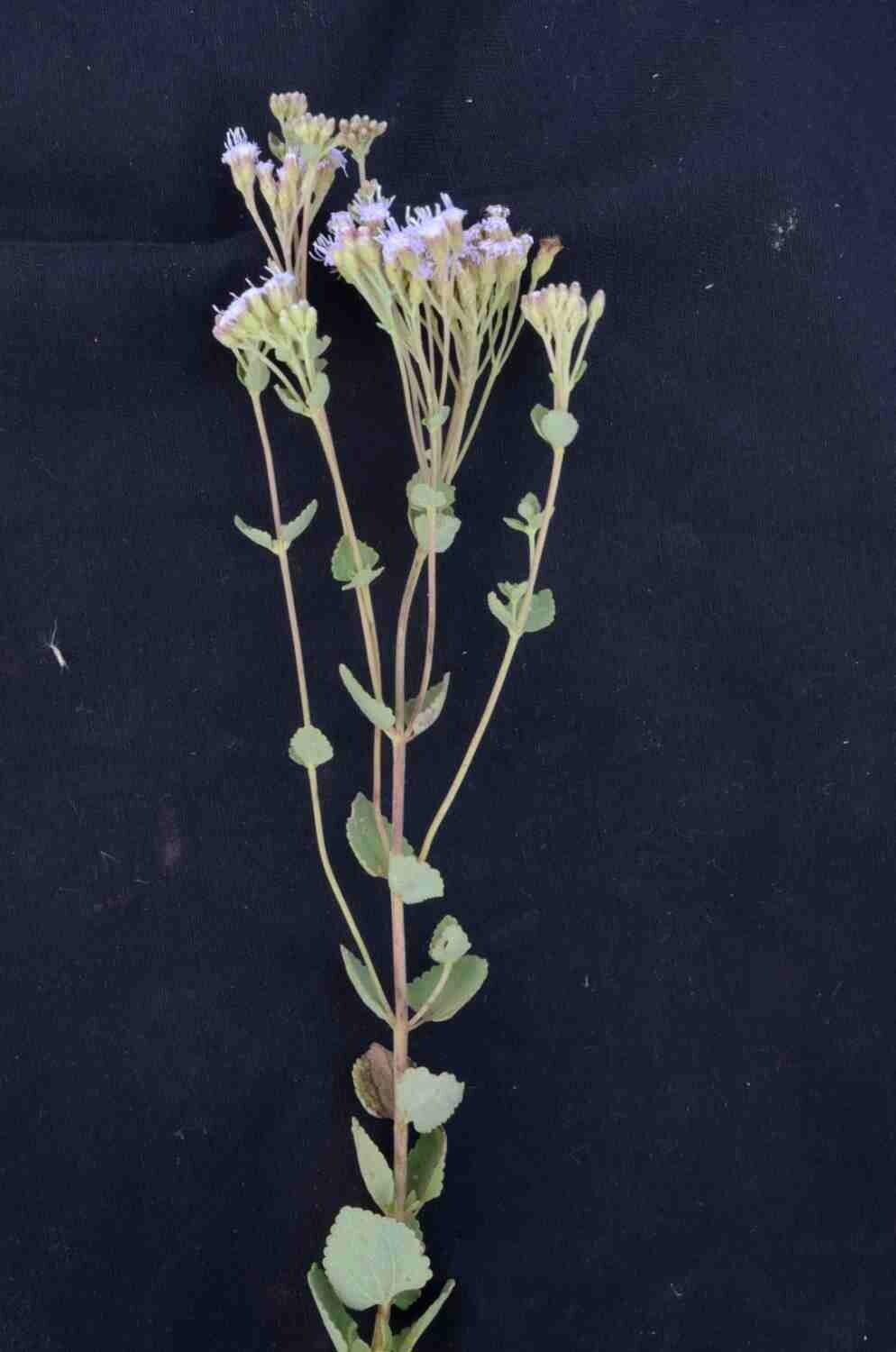
Chromolaena congesta, commonly known as Siam weed, is a robust, fast-growing perennial shrub characterized by its profuse branching, serrated leaves, and numerous small, pinkish-purple flower heads. While considered an aggressive invasive weed in many parts of the world, its resilience and rapid growth make it a fascinating subject for gardeners interested in challenging propagation projects. Its ability to quickly colonize disturbed areas also hints at its potential for land reclamation projects, though this requires careful management due to its invasive nature. Its popularity is niche, primarily amongst those interested in its unique characteristics and propagation challenges.
Seed Germination:
Currently, there are no known reliable methods for seed germination propagation of Chromolaena congesta. While the plant produces seeds prolifically, germination rates are extremely low under typical conditions. Research has not yielded consistent success in overcoming this, likely due to factors including dormancy mechanisms within the seed itself, or the need for specific, yet-to-be-identified environmental conditions.
Cuttings:
Cuttings offer a much more viable approach to propagating Chromolaena congesta.
Challenges: Success relies heavily on timing and technique. Hardwood cuttings taken in the dormant season (winter) generally exhibit lower success rates than semi-hardwood or softwood cuttings taken during the active growing season (spring/summer).
Practical Tips: Use semi-hardwood cuttings, approximately 4-6 inches long, from healthy, non-flowering stems. Remove lower leaves to prevent rot and dip the cut ends in rooting hormone powder. Plant in a well-draining propagation mix and maintain high humidity, ideally using a propagator or covering with a plastic bag. Regular misting is essential.
Rewards: Cuttings offer a relatively straightforward method to rapidly increase the number of plants. Genetic uniformity is maintained, preserving desirable characteristics from the parent plant.
Division:
Division is a feasible method, especially for established plants.
Challenges: This method is limited by the size and age of the parent plant. Divisions need to be large enough to possess sufficient root structure and growing points for successful establishment.
Practical Tips: The best time to divide Chromolaena congesta is in spring or early summer when the plant is actively growing. Carefully dig up the parent plant and gently separate it into several smaller clumps, ensuring each division has a healthy root system and several stems. Replant divisions immediately, keeping the soil moist until they establish new roots.
Rewards: Division is relatively quick and easy compared to other methods. It’s ideal for expanding existing populations of the same plant.
Tissue Culture:
Tissue culture presents a technically advanced, but potentially highly rewarding approach.
Challenges: This method requires specialized equipment, a sterile environment, and significant expertise in plant tissue culture techniques. Establishing optimal growth media and hormonal balances for Chromolaena congesta requires experimentation.
Practical Tips: Sterile procedures are essential. A suitable explant (small piece of plant tissue) should be taken from a healthy section of the plant. The explant needs to be cultured on a nutrient-rich medium containing plant hormones to stimulate growth, following established protocols for plant tissue culture.
Rewards: Tissue culture allows for the large-scale propagation of genetically identical plants, providing a means to rapidly increase plant numbers and maintain consistency. It also offers potential for disease elimination and genetic improvement.
Conclusion:
Propagating Chromolaena congesta presents unique challenges across all methods described. Seed germination is currently unreliable, making vegetative propagation (cuttings and division) the more practical options for most gardeners. Tissue culture offers significant potential for large-scale propagation, but requires expertise and specialized equipment. The rewards of successfully propagating this fascinating plant, however, are substantial. The satisfaction derived from overcoming the inherent difficulties, witnessing the vigorous growth, and expanding one’s collection is a rewarding experience for the dedicated propagator. Remember patience and persistence are key when working with this plant. Start with easier methods like cuttings and carefully study the plant’s needs before attempting more complex techniques. With dedication and the right approach, success is achievable.